

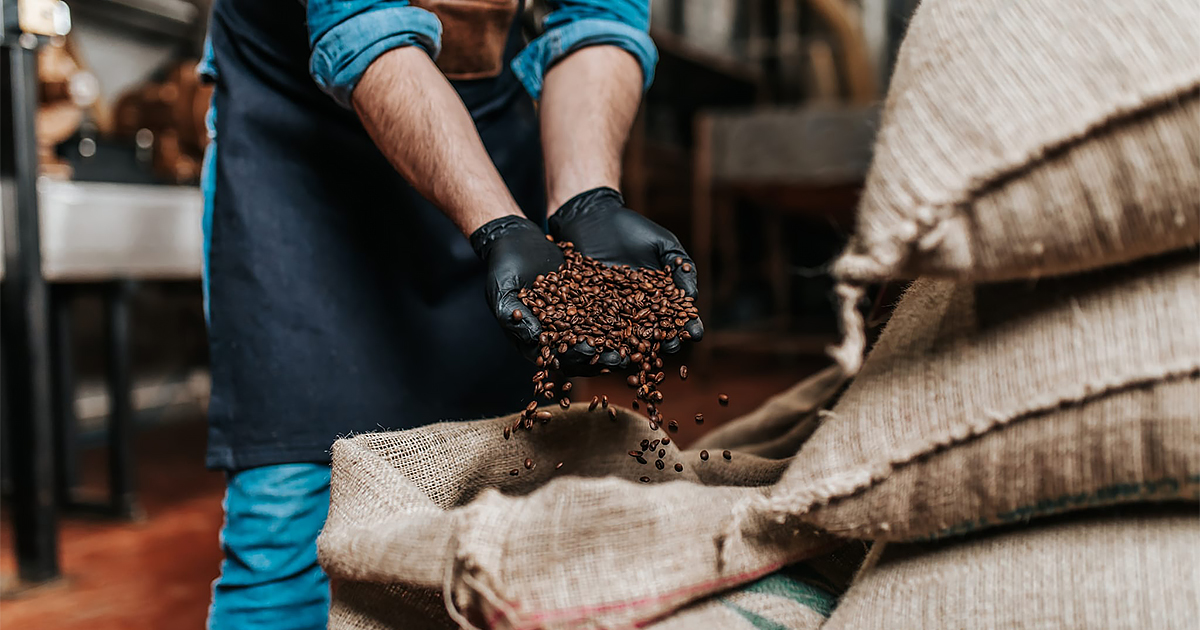
Australia has developed a strong coffee culture, with consumers, independent cafés, specialty coffee roasters, hospitality businesses and coffee distributors placing increasing importance on the quality, origin and consistency of their coffee beans. From Melbourne’s internationally recognised café culture to the growing specialty coffee communities in Sydney, Brisbane, Perth, Adelaide and other major cities, coffee remains an important part of Australia’s food and hospitality industry.
For individuals and businesses looking to buy coffee beans online from Australia, understanding the available coffee varieties, sourcing options, processing methods and international supply chains can make a significant difference when selecting the right product. Whether purchasing whole coffee beans for home brewing, sourcing green coffee beans for commercial roasting or establishing a wholesale supply arrangement, buyers benefit from working with dependable suppliers who understand coffee quality and international trade.
Robica Coffee Limited, a Ugandan coffee exporter, provides an international sourcing connection for buyers interested in African coffee. Through its relationships with prominent and registered coffee growers across Africa, the company seeks to connect international coffee buyers with established coffee-growing origins and commercially suitable coffee supplies.
African coffee is recognised internationally for its distinctive regional characteristics, diverse varieties and established coffee-growing traditions. Uganda, Ethiopia, Kenya, Tanzania, Rwanda and other African coffee-producing countries offer different opportunities for businesses seeking to diversify their coffee selections and establish reliable sourcing relationships.
For Australian importers, roasters, wholesalers and distributors, sourcing coffee directly through an established exporter can provide an opportunity to explore African coffee origins while developing long-term commercial supply relationships.
Understanding the Australian Coffee Market
Australia is one of the world’s recognised coffee-consuming markets, supported by a sophisticated hospitality sector, independent cafés, specialty roasters and an expanding home-brewing community.
Coffee is more than a beverage in Australia. It is part of everyday social life, business meetings, hospitality experiences and consumer purchasing habits. The country’s coffee culture has contributed to demand for different coffee styles, including espresso, cappuccino, flat white, latte, long black and specialty filter coffee.
The Australian market accommodates several categories of coffee buyers:
- Individual consumers purchasing roasted coffee beans for home use.
- Independent cafés seeking consistent coffee supplies.
- Commercial coffee roasters purchasing green coffee beans.
- Wholesale distributors supplying hospitality businesses.
- Supermarkets and specialty food retailers.
- Coffee importers sourcing beans from international producing countries.
- Private-label coffee businesses developing their own brands.
These buyers have different requirements. A household consumer may prioritise freshness, flavour and convenient delivery, while a commercial roaster may focus on green bean quality, moisture content, screen size, processing method, consistency and the availability of repeat shipments.
Understanding these distinctions helps buyers identify the appropriate coffee supplier and purchasing arrangement.
Australia’s coffee industry also provides opportunities for international exporters to establish relationships with local businesses interested in expanding their selection of coffee origins. African coffee, particularly beans sourced from established producing regions, can offer Australian businesses an opportunity to introduce new flavour profiles and differentiate their product ranges.
Why Buy Coffee Beans from International Suppliers?
Although Australia has its own coffee-growing industry, particularly in regions of Queensland and northern New South Wales, international sourcing remains an important part of the country’s coffee supply chain.
International suppliers provide access to coffee-producing regions with different climates, elevations, varieties, harvesting traditions and processing practices.
For Australian coffee businesses, purchasing coffee from established exporting countries can offer several advantages.
1. Access to diverse coffee origins
Different producing countries offer distinct coffee characteristics. African origins are particularly relevant to businesses interested in expanding their range of single-origin and specialty coffee offerings.
Ugandan coffee, Ethiopian coffee, Kenyan coffee, Rwandan coffee and Tanzanian coffee can provide different sourcing opportunities depending on the buyer’s intended product specifications.
2. Opportunities for wholesale procurement
Commercial coffee roasters and distributors may require larger quantities than individual retail suppliers can consistently provide. Working directly with an exporter can help buyers explore commercial purchasing arrangements and discuss volumes suitable for their operations.
3. Greater sourcing flexibility
International coffee procurement allows businesses to evaluate different varieties, grades, processing methods and producing regions. This flexibility is useful for roasters developing blends or introducing seasonal single-origin products.
4. Developing long-term supplier relationships
A reliable coffee supply relationship is built around consistent communication, transparent product specifications, quality evaluation and dependable commercial arrangements.
Australian buyers working with international exporters can establish sourcing relationships that support their long-term business objectives.
Why Choose African Coffee Beans?
Africa is one of the world’s most important coffee-producing regions. The continent is home to established coffee-growing countries with generations of experience in cultivating, harvesting and processing coffee. African coffee is particularly valued within the specialty coffee sector for its diversity of flavour characteristics, growing environments and regional identities.
Some of the continent’s prominent coffee-producing countries include:
- Uganda: Uganda is an important coffee-producing country in East Africa, known for both Arabica and Robusta coffee. Its varied growing environments support different coffee production systems, making it a relevant sourcing destination for international buyers. Ugandan Robusta is particularly important in commercial coffee production, while Ugandan Arabica offers opportunities for specialty and premium coffee markets.
- Ethiopia: Ethiopia is widely associated with coffee’s historical origins and is internationally recognized for its diverse coffee-growing regions. Ethiopian coffees are often appreciated for their distinctive aromatic characteristics and the diversity of their regional profiles.
- Kenya: Kenyan coffee is recognized in specialty coffee markets for its distinctive regional characteristics and established quality reputation. Different growing areas and processing practices provide opportunities for buyers seeking differentiated Arabica coffees.
- Rwanda: Rwanda has developed an increasingly recognized presence in specialty coffee markets. Its coffee-growing communities and washing-station systems provide opportunities for buyers interested in traceable African coffee origins.
- Tanzania: Tanzania is another established African coffee-producing country, offering Arabica and Robusta coffee from different growing regions.
- Other African coffee origins: Depending on availability, specifications and commercial arrangements, buyers may also explore coffee from Burundi, the Democratic Republic of Congo, Cameroon and other African-producing countries. Through its relationships with prominent and registered coffee growers across Africa, Robica Coffee Limited aims to provide international buyers with access to a broader network of African coffee sourcing opportunities.
Robica Coffee Limited: A Ugandan Coffee Exporter Connecting Australia with African Coffee
Robica Coffee Limited is a Uganda-based coffee exporter focused on connecting international coffee buyers with established coffee-growing sources across Africa. The company recognizes that successful international coffee procurement requires more than identifying a producing country. Buyers need access to suitable suppliers, clear product specifications, consistent communication and an understanding of the commercial requirements associated with exporting coffee.
Robica Coffee Limited works with prominent and registered coffee growers across African coffee-producing markets, providing a sourcing connection for international businesses interested in purchasing African coffee. For Australian businesses, this creates an opportunity to explore coffee originating from established African growing regions through a Ugandan export partner.
The company’s sourcing approach is relevant to several categories of Australian buyers:
- Coffee importers looking to diversify their international supply networks.
- Commercial roasters seeking green coffee beans.
- Specialty coffee businesses interested in African single-origin coffees.
- Wholesale distributors looking for commercial coffee supplies.
- Hospitality businesses exploring new coffee sourcing arrangements.
- Private-label brands seeking potential African coffee sourcing partners.
Robica Coffee Limited understands the importance of developing professional relationships with international buyers and establishing commercial arrangements based on the buyer’s requirements.
Rather than assuming that every buyer requires the same coffee product, the sourcing process should begin by identifying the intended variety, origin, grade, processing method, quantity and delivery requirements.
This helps create a more informed purchasing process for both the buyer and the exporter.
Types of Coffee Beans Australian Buyers Can Source
When purchasing coffee internationally, Australian buyers should first understand the principal coffee varieties and the differences between them.
The two most commercially important coffee species are Arabica and Robusta.
1. Arabica Coffee Beans
Arabica coffee, scientifically known as Coffea arabica, is widely cultivated in several African and international coffee-producing countries.
It is particularly important in specialty coffee markets, where buyers evaluate factors such as aroma, acidity, sweetness, body, flavour complexity and cup cleanliness.
Arabica coffee is often used by specialty roasters producing single-origin coffees and premium blends.
African Arabica coffees can offer a range of flavour characteristics depending on their growing environment, variety, altitude, harvesting practices and post-harvest processing.
Australian buyers interested in sourcing Arabica coffee can explore origins such as Uganda, Ethiopia, Kenya, Rwanda and Tanzania.
2. Robusta Coffee Beans
Robusta coffee, scientifically known as Coffea canephora, is another major commercial coffee species.
Uganda is particularly relevant to international Robusta sourcing because of its established Robusta-growing regions and production history.
Robusta is widely used in espresso blends, commercial coffee production, instant coffee manufacturing and other applications where its distinctive characteristics are desirable.
Depending on the grade and processing quality, Robusta can contribute body, intensity and crema characteristics to espresso blends.
For Australian coffee roasters and manufacturers, Ugandan Robusta presents an opportunity to explore African coffee supplies for different commercial applications.
3. Green Coffee Beans
Green coffee beans are unroasted coffee beans prepared for storage, transportation and subsequent roasting.
They are particularly important to commercial coffee roasters because they allow businesses to control their own roasting profiles and develop customised coffee products.
Australian coffee roasters importing green coffee may evaluate:
- Coffee species and variety.
- Country and region of origin.
- Harvest period.
- Processing method.
- Moisture content.
- Bean size and screen distribution.
- Defect levels.
- Physical appearance.
- Cup quality and sensory characteristics.
- Packaging and storage conditions.
Green coffee sourcing is particularly relevant to Robica Coffee Limited’s international export positioning because commercial buyers can explore African coffee origins before undertaking their own roasting and product development.
4. Specialty Coffee Beans
Specialty coffee generally refers to coffee distinguished by its quality, traceability, sensory characteristics and production practices.
Specialty buyers frequently seek detailed information about the coffee’s origin, producer, variety, processing method and cup profile.
For Australian specialty roasters, African coffee can offer opportunities to develop distinctive single-origin offerings and seasonal selections.
However, specialty quality should be established through appropriate evaluation and agreed grading or cupping criteria rather than assumed solely from the country of origin.
Buying Green Coffee Beans Wholesale in Australia
Australian coffee roasters and commercial buyers frequently require green coffee beans rather than ready-to-drink or pre-roasted products. Green coffee provides greater flexibility because buyers can determine the roasting temperature, development time, roast intensity and final flavor profile according to their intended market.
For businesses considering wholesale green coffee procurement, international exporters can provide an additional sourcing channel. Robica Coffee Limited offers an opportunity for Australian commercial buyers to explore African coffee sourcing through its Ugandan export operations and relationships with established growers.
When considering wholesale green coffee purchases, buyers should establish the following details before placing an order:
- Coffee origin: Identify the producing country and, where available, the specific growing region.
- Coffee variety: Determine whether the required coffee is Arabica, Robusta or another commercially available variety.
- Processing method: Establish whether the coffee is washed, natural, honey processed or prepared using another recognised method.
- Grade and specifications: Agree on the applicable grading system, screen size, moisture parameters, defect tolerances and other relevant quality requirements.
- Quantity: Specify the required volume, whether purchasing sample quantities, smaller commercial lots or full export consignments.
- Packaging: Discuss suitable export packaging, including clean and appropriate coffee bags and any additional protective packaging requirements.
- Delivery arrangements: Agree on the shipping method, destination port, delivery terms and responsibility for freight, insurance, customs clearance and other applicable charges. These considerations help commercial buyers evaluate suppliers and compare purchasing proposals on a consistent basis.
Buying Coffee Beans Online: What Australian Buyers Should Consider
Online coffee purchasing has made it easier for consumers and businesses to explore coffee products from different suppliers. However, buying coffee online requires careful consideration, particularly when purchasing from an international supplier.
Before placing an order, Australian buyers should evaluate several factors.
- Supplier credibility: Check the supplier’s registered business information, contact details, business address and commercial experience. For larger transactions, conduct appropriate due diligence and verify relevant export documentation.
- Product description: A reliable product description should clearly identify whether the coffee is roasted or unroasted, its species, origin, processing method and intended application.
- Quality information: For commercial purchases, request appropriate product specifications, samples and quality documentation where applicable.
- Pricing transparency: Understand the quoted price, currency, minimum order quantity, shipping charges, insurance, applicable taxes and any additional import-related costs.
- Packaging: Coffee packaging should be appropriate for the product, quantity, transportation method and expected storage conditions.
- Delivery arrangements: Confirm the expected shipping schedule, delivery destination, Incoterms and responsibilities of each party.
- Communication: A professional supplier should be able to respond clearly to questions about product availability, specifications, payment arrangements and export procedures. For Australian businesses considering African coffee, communicating directly with Robica Coffee Limited can help establish whether its available sourcing options align with their requirements.
Why Source Ugandan Coffee for the Australian Market?
Uganda has a long-established coffee-growing sector and is an important source of both Arabica and Robusta coffee. Its coffee production is supported by different agricultural environments, growing communities and processing systems.
Ugandan coffee is commercially relevant to international buyers for several reasons.
- Established coffee-growing communities: Uganda has numerous coffee-growing communities with experience in coffee cultivation and harvesting. These communities contribute to the country’s domestic and export coffee supply chains.
- Arabica and Robusta availability: The availability of both major coffee species gives international buyers flexibility when considering different product requirements.
- Diverse growing environments: Uganda’s coffee-growing regions have different climatic and geographical characteristics, which contribute to variations in coffee production and quality.
- International sourcing opportunities: Uganda’s established coffee export sector makes it a relevant origin for buyers seeking to develop relationships with African coffee suppliers. Through Robica Coffee Limited, Australian buyers can explore potential access to Ugandan coffee and other African coffee origins, subject to product availability, specifications and commercial arrangements.
How to Select the Right Coffee Beans for Your Business
Selecting suitable coffee beans is an important part of establishing a successful coffee business.
The ideal coffee depends on the intended application, target customers, roasting capabilities and purchasing budget.
A specialty coffee roaster may prioritise origin characteristics, traceability and sensory quality. A commercial espresso manufacturer may focus on consistency, blend performance, supply volumes and cost efficiency.
Australian businesses should consider the following factors when evaluating coffee suppliers.
1. Define your coffee requirements
Begin by determining whether you need Arabica, Robusta, green coffee, roasted coffee or a combination of different products.
2. Establish your target market
Identify the customers who will consume or purchase the final coffee product. This will influence your choice of coffee variety, quality level and price range.
3. Request samples
Where appropriate, request samples before committing to a substantial commercial purchase. Samples allow buyers to assess physical quality and undertake roasting and cupping evaluations.
4. Compare product specifications
Review the supplier’s specifications and confirm that they match your intended application.
5. Evaluate supply capacity
For commercial procurement, determine whether the supplier can support the required quantity and potential repeat orders.
6. Confirm export arrangements
Establish the applicable documentation, shipping responsibilities and import requirements before finalising the transaction.
A structured evaluation process can help Australian buyers identify coffee suppliers capable of supporting their long-term business needs.
Coffee Sourcing from Africa to Australia: Understanding the Supply Chain
International coffee sourcing involves several stages, beginning with cultivation and ending with delivery to the buyer.
Understanding this supply chain is important for Australian importers because coffee quality and consistency depend on practices throughout production, processing, preparation and transportation.
Coffee cultivation and harvesting
Coffee production begins on farms where growers cultivate coffee trees under suitable environmental conditions.
The quality of the harvested coffee is influenced by several factors, including climate, rainfall, soil conditions, altitude, agricultural practices and the maturity of the coffee cherries.
Coffee cherries are generally harvested when they reach the appropriate stage of maturity. Selective harvesting can help producers separate ripe cherries from unripe or overripe fruit, although harvesting practices differ between regions and production systems.
Coffee processing
Following harvesting, coffee cherries undergo processing to separate the coffee beans from the surrounding fruit material.
The principal processing methods include:
- Washed processing: Coffee cherries are pulped, fermented where appropriate, washed and dried. The process is commonly used for producing coffees with clean and defined flavour characteristics.
- Natural processing: Whole coffee cherries are dried before the beans are removed. The method can contribute fruit-forward flavour characteristics depending on the coffee and processing conditions.
- Honey processing: Part of the fruit mucilage remains attached to the beans during drying. The specific processing approach can influence sweetness, body and flavor development. The selected processing method is an important consideration for Australian roasters seeking specific coffee characteristics.
Sorting and grading
After processing, coffee beans are sorted and graded according to applicable quality standards and commercial specifications. Sorting may involve removing defective beans, foreign materials and other unwanted matter.
Grading can consider bean size, appearance, defects and other physical or sensory characteristics, depending on the origin and applicable grading system. For commercial exports, buyers should agree on the grading specifications before purchasing.
Packaging and preparation for export
Once prepared, green coffee beans are packed in suitable export packaging. Packaging choices depend on the coffee, shipment size, transportation conditions and buyer requirements. Appropriate packaging helps protect coffee from moisture, contamination, odours and physical damage during storage and transportation.
Export consignments should also be supported by the documentation required by the exporting country, destination country and agreed commercial transaction.
International shipping and delivery
Coffee destined for Australia may be transported by sea or air, depending on the shipment size, urgency and commercial arrangement. Sea freight is commonly considered for larger commercial consignments, while air freight may be appropriate for samples or smaller time-sensitive shipments.
The buyer and exporter should establish the destination, freight responsibilities, insurance arrangements, delivery terms and customs clearance requirements before shipment. Robica Coffee Limited can be approached by Australian buyers interested in exploring African coffee sourcing and discussing potential export arrangements.
Coffee Import Requirements for Australia
Australian businesses importing coffee from overseas should understand the country’s biosecurity and food safety requirements before arranging shipments. Coffee is a plant-based agricultural product, and import conditions can vary according to whether the product is green coffee, roasted coffee, decaffeinated coffee or another coffee preparation.
The Australian Department of Agriculture, Fisheries and Forestry administers biosecurity requirements through its Biosecurity Import Conditions system, commonly known as BICON. Importers should consult the applicable BICON conditions before arranging an international coffee shipment.
Important considerations include:
1. Green coffee import requirements
Green coffee beans imported into Australia are subject to applicable biosecurity requirements. Australian government guidance identifies phytosanitary certification as a requirement for green coffee entering the country.
Commercial importers should confirm the precise documentation, packaging, inspection and other conditions applicable to their shipment.
2. Roasted coffee import requirements
Roasted coffee beans generally have different biosecurity conditions from unroasted green coffee. Importers should establish the relevant requirements according to the product’s preparation and intended use.
3. Food safety compliance
Imported coffee intended for sale in Australia must comply with applicable Australian food standards and food safety legislation.
The Imported Food Control Act 1992 and the Australia New Zealand Food Standards Code are relevant to the regulation of imported food.
4. Import documentation
Depending on the transaction and applicable import conditions, commercial coffee shipments may require supporting documents such as:
- Commercial invoice.
- Packing list.
- Bill of lading or air waybill.
- Phytosanitary certificate where required.
- Certificate of origin where applicable.
- Relevant quality or inspection documentation.
- Other government or customs documents required for the particular consignment.
Importers should verify the precise documentation requirements rather than assume that every shipment requires an identical set of certificates.
5. Customs and clearance arrangements
Australian importers should establish the applicable tariff classification, customs declaration requirements, taxes and other charges with their customs broker or relevant authorities.
Proper preparation helps reduce the possibility of shipment delays and unexpected clearance costs.
Robica Coffee Limited encourages prospective Australian buyers to establish the applicable import conditions before confirming international purchasing arrangements.
Finding Reliable Wholesale Coffee Bean Suppliers for Australia
Finding a dependable wholesale coffee supplier is an important decision for Australian coffee businesses. A supplier’s ability to provide suitable products, communicate professionally and support commercial procurement requirements can influence the buyer’s operations and customer satisfaction.
When evaluating potential suppliers, businesses should consider the following:
- Business registration and credibility: Verify that the supplier is a legally established business and has the necessary authorizations for its commercial activities.
- Coffee sourcing relationships: Understand whether the supplier works directly with coffee growers, cooperatives, processors or other established supply-chain participants.
- Product availability: Confirm the coffee origins, varieties, grades and quantities available at the time of purchase.
- Quality assurance: Request relevant specifications, inspection information and samples where appropriate.
- Export experience: Establish whether the supplier understands the documentation and logistical requirements involved in international coffee shipments.
- Commercial transparency: Request clear quotations outlining product specifications, quantities, pricing, delivery terms and payment conditions. For Australian businesses interested in African coffee, Robica Coffee Limited offers a point of contact for exploring sourcing relationships with established coffee growers across Africa.
Why Australian Coffee Roasters Should Explore African Coffee Origins
Coffee roasting is both a technical process and a commercial activity. Roasters work with different coffee varieties and origins to develop products that appeal to their customers. The selection of green coffee beans has a direct influence on the final roasted product.
African coffee can be particularly interesting to Australian roasters because the continent offers a wide range of growing environments and coffee-producing traditions.
By exploring different African origins, roasters can develop:
- Single-origin coffee collections: Single-origin coffee allows roasters to present beans from a particular country, region, cooperative or producer group, depending on available traceability information.
- Espresso blends: Arabica and Robusta coffees can be evaluated individually or combined to produce espresso blends with specific flavor, body and extraction characteristics.
- Seasonal coffee offerings: Roasters can introduce coffees from different harvest periods as new lots become available, subject to quality evaluation and supply conditions.
- Specialty coffee selections: Carefully selected African coffees can help specialty roasters develop differentiated product ranges based on verified origin and sensory information.
- Private-label coffee products: Businesses developing their own coffee brands can explore sourcing relationships with exporters and processors to identify products that meet their intended market specifications. Robica Coffee Limited seeks to support these sourcing opportunities by connecting international buyers with African coffee-growing networks.
Buying Coffee Beans Online from Australia for Different Business Applications
The type of coffee purchased should reflect the intended commercial application.
- For coffee shops and cafés: Cafés require coffee that performs consistently under their chosen brewing methods. Many cafés purchase roasted coffee from local roasters, while larger hospitality groups may establish their own roasting and sourcing arrangements. Businesses considering direct green coffee procurement should assess their roasting capacity, required volumes and quality control systems.
- For commercial coffee roasters: Roasters are among the most relevant potential customers for international green coffee exporters. They require suitable raw coffee beans for developing different roast profiles, blends and product lines. Robica Coffee Limited welcomes enquiries from commercial buyers interested in exploring African green coffee sourcing opportunities.
- For coffee wholesalers: Wholesalers supply coffee products to cafés, restaurants, retailers, hotels and other commercial customers. Their sourcing decisions often depend on availability, pricing, quality consistency, packaging and the ability to maintain reliable distribution. International coffee exporters can become valuable sourcing partners when their products meet the wholesaler’s requirements.
- For supermarkets and retailers: Retailers may require branded roasted coffee, private-label products or wholesale arrangements with established roasting businesses. The specific purchasing requirements depend on packaging, product presentation, food labelling and retail distribution arrangements.
- For home coffee enthusiasts: Individual consumers generally purchase roasted coffee beans that are ready for grinding and brewing. They may prefer whole beans because they can grind the coffee immediately before preparation. However, individual consumers purchasing coffee online should distinguish between roasted beans intended for immediate brewing and green coffee beans intended for roasting.
How to Order African Coffee from Robica Coffee Limited
Australian buyers interested in sourcing African coffee through Robica Coffee Limited can begin by communicating their requirements to the company. A structured enquiry helps establish whether the requested coffee is available and whether the proposed transaction is commercially suitable.
The following steps provide a practical starting point.
- Step 1: Submit a coffee sourcing enquiry – Contact Robica Coffee Limited and indicate that you are interested in purchasing coffee for the Australian market. Provide your business name, location and preferred method of communication.
- Step 2: Specify the coffee required – Identify whether you require Arabica, Robusta, green coffee beans or another coffee product. Where possible, indicate your preferred country of origin and quality specifications.
- Step 3: Indicate the required quantity – Specify whether you are interested in samples, smaller commercial quantities or larger wholesale consignments. This allows the sourcing discussion to focus on an appropriate supply arrangement.
- Step 4: Request product specifications – Ask for available information concerning the coffee’s origin, processing method, grade, packaging and quality characteristics. Where appropriate, request samples for evaluation.
- Step 5: Discuss pricing and export arrangements – Request a commercial quotation and establish the applicable payment terms, shipping arrangements, delivery destination and responsibilities.
- Step 6: Confirm Australian import requirements – Before shipment, verify the applicable Australian biosecurity and food import conditions.
- Step 7: Finalize the purchasing arrangement – Once the product specifications, pricing, documentation and delivery arrangements have been agreed upon, the buyer and exporter can proceed according to their contractual terms. This process provides a professional foundation for developing an international coffee sourcing relationship.
Frequently Asked Questions About Buying Coffee Beans Online from Australia
- Where can I buy coffee beans online from Australia? Australian consumers can purchase roasted coffee beans through online retailers, specialty coffee roasters and independent coffee brands. Commercial buyers can also explore international exporters offering green coffee beans and wholesale sourcing arrangements. For businesses interested in African coffee, Robica Coffee Limited provides a Ugandan-based sourcing contact with relationships across African coffee-growing networks.
- Can I buy African coffee beans for delivery to Australia? Yes. African coffee can be imported into Australia, provided the shipment complies with the applicable Australian biosecurity, food safety and customs requirements. Buyers should verify the specific import conditions for the coffee product and country of export before arranging shipment.
- Does Robica Coffee Limited supply coffee to Australian buyers? Robica Coffee Limited is a Ugandan coffee exporter that connects international buyers with established coffee growers across Africa. Australian businesses can contact the company to discuss available coffee origins, product specifications, quantities and potential export arrangements. Specific product availability and delivery arrangements should be confirmed directly with the company.
- Can Australian businesses buy green coffee beans wholesale? Yes. Commercial coffee buyers can explore wholesale green coffee purchasing arrangements with international exporters. The minimum quantity, available origins, grading specifications and commercial terms depend on the supplier and the particular coffee lot.
- What is the difference between green coffee and roasted coffee? Green coffee refers to processed but unroasted coffee beans. They are generally purchased by commercial roasters for further processing. Roasted coffee beans have undergone roasting and are ready to be ground and brewed.
- Is Ugandan coffee available for the Australian market? Uganda is an established coffee-producing country with both Arabica and Robusta production. Australian businesses can explore Ugandan coffee sourcing through international exporters such as Robica Coffee Limited, subject to availability and applicable export and import requirements.
- What types of coffee does Uganda produce? Uganda produces Arabica and Robusta coffee. Both varieties have commercial applications in international coffee markets, including specialty roasting, espresso blends and other coffee products.
- Why should I consider buying African coffee? African coffee offers access to different growing regions, varieties, processing methods and flavour characteristics. Buyers interested in diversifying their coffee selections can explore origins such as Uganda, Ethiopia, Kenya, Rwanda and Tanzania.
- What documents are required to import green coffee into Australia? Requirements depend on the product and applicable BICON import conditions. Green coffee imports generally require a phytosanitary certificate, alongside relevant commercial and shipping documentation. Buyers should verify the current requirements before shipment.
- Can I request coffee samples before placing a wholesale order? Buyers should discuss sample availability with their prospective supplier. Samples can help commercial roasters evaluate physical characteristics, roast performance and cup quality before committing to larger quantities.
- Can Australian roasters purchase coffee directly from African growers? Yes. International buyers can establish sourcing relationships involving growers, cooperatives, processors and exporters. Working with an exporter can help coordinate sourcing, commercial documentation and international shipment arrangements.
- Which African country produces the best coffee? There is no single African country that produces the best coffee for every buyer. Preferences depend on the coffee variety, origin, processing method, quality specifications and intended brewing application. Uganda, Ethiopia, Kenya, Rwanda and Tanzania are among the African origins worth exploring.
- Is Robusta coffee suitable for espresso? Yes. Robusta is used in various espresso blends because it can contribute body, intensity and crema. The suitability of a particular lot depends on its quality and the desired flavour profile.
- What should I check before purchasing wholesale coffee beans? Buyers should verify supplier credibility, product origin, variety, processing method, grading specifications, samples, pricing, minimum order quantities, packaging and delivery arrangements.
- Can Robica Coffee Limited help Australian businesses source coffee from different African countries? Robica Coffee Limited works with prominent and registered coffee growers across Africa. Australian buyers can contact the company to discuss potential sourcing opportunities from different African coffee-producing origins, subject to availability and commercial arrangements.
Conclusion: Source African Coffee for the Australian Market with Robica Coffee Limited
Australia’s coffee industry presents opportunities for suppliers, importers, roasters, wholesalers and distributors seeking reliable access to quality coffee products.
As purchasing preferences continue to encompass different origins, varieties and specialty coffee offerings, African coffee remains an important category for businesses interested in diversifying their supply networks.
Uganda, Ethiopia, Kenya, Rwanda and Tanzania offer distinct coffee-growing environments and sourcing opportunities for international buyers. Their coffee varieties provide different possibilities for commercial roasting, specialty coffee production and wholesale distribution.
For Australian businesses looking beyond conventional sourcing channels, Robica Coffee Limited provides a connection to African coffee-growing networks through its Ugandan export operations.
By working with prominent and registered coffee growers across Africa, the company aims to connect international buyers with suitable coffee sourcing opportunities and develop professional relationships within the global coffee trade.
Whether you are an Australian coffee importer, commercial roaster, wholesaler, distributor or business exploring African coffee for the first time, Robica Coffee Limited invites you to enquire about available sourcing opportunities.
Contact Robica Coffee Limited today to discuss your African coffee requirements, explore available coffee origins and establish a potential supply relationship for the Australian market.
Leave a Reply