

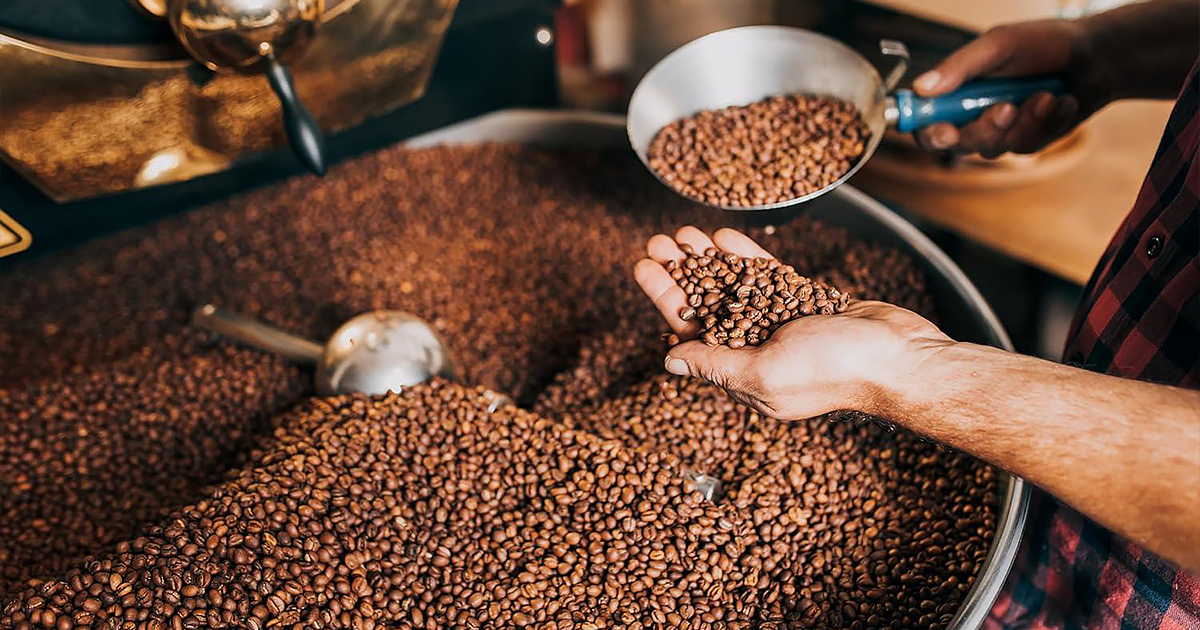
Italy is one of the world’s most recognised coffee markets, with a long-established espresso tradition, a powerful roasting industry and a strong demand for coffee sourced from producing countries. From traditional espresso bars and independent cafés to large coffee manufacturers and speciality roasters, Italian businesses depend on international coffee supply chains to meet their production and purchasing requirements.
For Italian businesses looking to buy coffee beans online, Africa offers an important range of sourcing opportunities. Uganda, in particular, is recognised for producing both Arabica and Robusta coffee, making it a relevant origin for buyers interested in traditional espresso blends, commercial roasting and speciality coffee products.
Robica Coffee Limited is a Ugandan coffee exporter connecting international buyers with prominent and registered coffee growers across Africa. The company provides a point of contact for Italian importers, roasters, wholesalers and distributors interested in exploring coffee from African producing regions.
Whether you operate a coffee roasting company in Milan, manage a wholesale distribution business in Rome, supply cafés in Naples or develop speciality coffee products in Turin, sourcing decisions should be guided by product quality, origin, processing, consistency and clearly agreed commercial terms.
This guide explores the Italian coffee market, the opportunities for African coffee, the differences between Arabica and Robusta, green coffee sourcing, import considerations and how businesses can approach Robica Coffee Limited.
Italy: One of Europe’s Most Important Coffee Importing Countries
Italy occupies a significant position in the international coffee industry. Its coffee culture is closely associated with espresso, cappuccino, moka coffee and a wide range of roasted coffee products consumed in homes, cafés, restaurants and workplaces.
Beyond domestic consumption, Italy has a substantial coffee processing and roasting industry. Italian manufacturers purchase green coffee from producing countries, roast and blend it, and distribute finished products across domestic and international markets.
According to the Centre for the Promotion of Imports from developing countries (CBI), Italy imported approximately 655,000 tonnes of green coffee directly from producing countries in 2024, making it Europe’s second-largest green coffee importing market at the time. More than 95% of its green coffee imports came directly from coffee-producing countries. https://www.cbi.eu/market-information/coffee/what-demand
More recent Eurostat figures show that Italy imported approximately 608,000 tonnes of coffee from non-EU countries in 2025, accounting for 21% of the European Union’s total extra-EU coffee imports. https://ec.europa.eu/eurostat/web/products-eurostat-news/w/ddn-20261001-1
These figures demonstrate the importance of international sourcing to the Italian coffee industry.
For African coffee exporters, Italy represents an established destination where importers and manufacturers already understand the commercial value of sourcing directly from producing countries.
Why Italy Is an Important Destination for African Coffee
Italy’s roasting industry creates demand for different coffee origins, varieties and grades. While Brazilian and Vietnamese coffee remain important sources, African producers also contribute to the country’s international supply chain.
Uganda is particularly relevant because of its established Robusta production and its Arabica-growing regions.
According to CBI’s analysis of Italian coffee imports, Uganda supplied approximately 91,000 tonnes of green coffee to Italy in 2024, making it one of the country’s major producing-country suppliers. https://www.cbi.eu/market-information/coffee/what-demand
This existing trade relationship demonstrates that Ugandan coffee is already part of the Italian sourcing landscape.
Italian buyers exploring African coffee may benefit from:
- Origin diversification: Exploring coffee from Uganda and other African producing countries.
- Arabica and Robusta sourcing: Accessing different varieties for blends and individual coffee products.
- Espresso applications: Evaluating Robusta and Arabica lots for traditional and contemporary espresso formulations.
- Speciality coffee development: Exploring origin-specific coffees for premium roasting.
- Commercial supply opportunities: Discussing green coffee requirements for wholesale and manufacturing operations.
- Supply-chain diversification: Developing additional relationships with exporters and growers in producing countries.
Each coffee lot should be evaluated according to its actual characteristics and the buyer’s requirements. Country of origin alone does not establish a particular grade, flavour profile or level of quality.
Buy Ugandan Coffee Beans Online from Robica Coffee Limited
Uganda is an important coffee-producing country in East Africa. It has a long history of coffee cultivation and produces both Arabica and Robusta.
Its growing regions offer different agricultural conditions, including variations in altitude, rainfall, temperature and soil. These factors, together with coffee varieties and post-harvest processing, contribute to the characteristics of individual lots.
Robica Coffee Limited is based in Uganda and connects international buyers with prominent and registered coffee growers across Africa.
For Italian businesses interested in Ugandan coffee, this provides an opportunity to discuss sourcing requirements with an exporter located in a producing country.
Potential enquiries may cover:
- Ugandan Arabica coffee.
- Ugandan Robusta coffee.
- Coffee from other African origins, subject to availability.
- Green coffee for commercial roasting.
- Coffee for wholesale distribution.
- Product specifications and quality requirements.
- Sample evaluation.
- Packaging and export arrangements.
- Commercial quantities and potential ongoing supply.
Robica Coffee Limited can review the buyer’s requirements and discuss suitable sourcing possibilities. The specific origin, variety, grade, quantity, price and availability must be confirmed for each enquiry.
Understanding Italian Espresso Culture and Coffee Bean Selection
Italy’s coffee culture has a strong relationship with espresso. Espresso is not simply one preparation method among many; it is an important part of everyday social and commercial life.
Traditional Italian coffee businesses frequently develop blends that deliver a consistent combination of aroma, body, flavour, intensity and crema.
The choice of coffee beans is therefore an important part of product development.
Roasters may combine Arabica and Robusta to achieve particular characteristics. The proportion of each variety depends on the intended taste, product positioning and cost requirements.
Some businesses prefer blends with a higher Arabica proportion, while others use Robusta to contribute body, intensity and crema.
Italian coffee buyers may consider the following when selecting beans:
- Aroma and fragrance.
- Body and mouthfeel.
- Acidity and sweetness.
- Bitterness and flavour balance.
- Crema development.
- Roast performance.
- Consistency between lots.
- Suitability for espresso machines and other brewing equipment.
The final result depends on the green coffee’s quality, roast development, blending decisions and brewing method.
Robica Coffee Limited can discuss Arabica and Robusta sourcing enquiries with Italian buyers looking for coffee suitable for different roasting and blending programmes.
Arabica Coffee Beans for Italian Coffee Roasters
Arabica is widely used in premium coffee products and speciality roasting. It is valued for its potential flavour complexity, aroma and range of sensory characteristics.
African Arabica coffees can provide Italian roasters with opportunities to develop products with distinctive origin profiles.
Depending on the lot, buyers may explore African Arabica for:
- Premium espresso blends.
- Single-origin espresso.
- Filter and pour-over coffee.
- Speciality café menus.
- Seasonal coffee collections.
- Retail whole-bean products.
- Premium hospitality coffee.
Arabica quality can vary according to variety, growing conditions, harvesting, processing, storage and transportation.
For Italian buyers, the best approach is to evaluate the proposed coffee rather than make purchasing decisions based only on its country of origin.
A sample assessment should consider physical quality, moisture content, defects, roast behaviour and sensory characteristics.
Speciality roasters may also request information about the growing area, processing method, harvest period and available quality assessment.
Robica Coffee Limited welcomes enquiries from Italian businesses interested in discussing African Arabica sourcing requirements.
Robusta Coffee Beans for Traditional Italian Espresso Blends
Robusta has a particularly important place in the Italian coffee industry.
Many traditional espresso blends use a combination of Arabica and Robusta. Robusta can contribute body, intensity and crema characteristics, depending on the quality and proportion used in the blend.
Italy has historically imported significant quantities of Robusta for its roasting industry.
CBI reports that Italy imported approximately 243,000 tonnes of Robusta in 2024, representing around 39% of its green coffee imports. Uganda was among its major Robusta suppliers, alongside Vietnam. https://www.cbi.eu/market-information/coffee/robusta-coffee/market-potential
This makes Italy an especially relevant market for African Robusta exporters.
Italian roasters may consider Robusta coffee for:
- Traditional espresso blends.
- Commercial roasted coffee.
- Stronger coffee formulations.
- Wholesale coffee products.
- Instant coffee manufacturing.
- Hospitality and food-service supply.
- Blends designed around specific body and crema characteristics.
Robusta should not be assessed as a single uniform product. Its quality varies according to variety, growing conditions, harvesting, processing, drying, storage and handling.
Buyers should establish the grade, moisture specification, defect tolerance and sensory requirements before committing to a commercial purchase.
For businesses seeking African Robusta, Robica Coffee Limited can discuss sourcing enquiries and the specifications required for the proposed application.
Green Coffee Beans for Italian Importers and Manufacturers
Green coffee beans are unroasted coffee beans prepared for export and subsequent roasting.
They are the preferred purchasing format for many international importers and commercial roasting companies because they allow businesses to control the roasting process and develop their own finished products.
Italy’s established roasting industry makes green coffee particularly relevant to its commercial buyers.
Green coffee may be purchased by:
- Coffee importing companies.
- Industrial roasting manufacturers.
- Traditional espresso roasters.
- Speciality coffee roasters.
- Coffee wholesalers.
- Private-label manufacturers.
- Instant coffee processors.
Before buying green coffee, Italian businesses should establish the precise product requirements.
These may include variety, origin, grade, screen size, moisture content, defect limits, processing method, packaging and shipment quantity.
Buyers should also identify whether they need conventional commercial coffee, speciality lots or coffee meeting particular certification requirements.
Green coffee provides flexibility, but it also requires suitable storage, roasting facilities or an established roasting partner.
Robica Coffee Limited can discuss green coffee sourcing enquiries with Italian buyers and review the product specifications needed for their operations.
Roasted Coffee Beans for Italian Cafés, Retailers and Distributors
Some Italian businesses prefer to purchase roasted coffee rather than green beans.
Roasted coffee is ready for grinding and brewing, making it suitable for cafés, restaurants, hotels, offices and retailers that do not operate their own roasting facilities.
The choice of roasted coffee depends on the intended preparation method and customer preferences.
Common requirements include:
- Whole-bean espresso coffee.
- Medium-roasted coffee.
- Dark-roasted coffee.
- Arabica and Robusta blends.
- Single-origin roasted coffee.
- Retail-ready coffee packaging.
- Coffee for restaurants and hotels.
Businesses purchasing roasted coffee should pay attention to roast date, freshness, packaging integrity, storage conditions and product labelling.
Roasted coffee also has different transportation and shelf-life considerations from green coffee.
If an Italian buyer requires roasted coffee, the supplier should confirm the available roasting, packaging and fulfilment arrangements before a commercial agreement is made.
Coffee Origins Italian Buyers Should Explore
Italy’s coffee manufacturers purchase from multiple producing countries. African origins can contribute to product diversity and give roasters additional options for developing blends and single-origin offerings.
Uganda
Uganda produces both Arabica and Robusta. Its Robusta sector is particularly relevant to traditional espresso blends and commercial coffee production, while its Arabica offerings provide additional possibilities for speciality and premium roasting.
Ethiopia
Ethiopia is widely recognised for its coffee-growing heritage and diverse Arabica production. Its different growing regions and processing approaches provide a broad range of coffees for buyers to explore.
Kenya
Kenyan Arabica is associated with distinctive regional characteristics and is often considered by speciality coffee buyers seeking expressive and identifiable flavour profiles.
Rwanda
Rwanda produces Arabica coffee that can be relevant to speciality roasters interested in African origins and carefully managed post-harvest processing.
Tanzania
Tanzania produces Arabica and Robusta coffee. Its different growing regions provide opportunities for buyers interested in exploring a wider selection of East African coffees.
Democratic Republic of the Congo
The Democratic Republic of the Congo has coffee-growing areas capable of producing both Arabica and Robusta. Buyers should evaluate individual lots and verify their sourcing and documentation carefully.
Robica Coffee Limited connects buyers with coffee growers across Africa. Specific origin availability and product specifications should be confirmed when making an enquiry.
How Coffee Processing Influences Italian Roasting Decisions
Coffee processing is an important part of the journey from harvested cherry to export-ready green beans.
Different processing methods can influence the physical condition and sensory characteristics of coffee.
Italian buyers interested in particular cup profiles should request processing information when evaluating a proposed lot.
Washed processing
Washed coffee is processed by removing the fruit surrounding the coffee seed before drying.
It is often associated with clean and clearly expressed flavour characteristics. However, the result depends on the origin, variety, fermentation management and drying conditions.
Natural processing
Natural coffee is dried with the fruit intact before the beans are removed.
Depending on the production conditions, natural processing can contribute fruit-forward characteristics and a fuller impression in the cup.
Honey processing
Honey processing involves retaining some of the fruit material around the seed during drying. The degree of fruit retention and drying conditions can influence the final coffee.
Controlled fermentation
Some producers use carefully managed fermentation techniques to influence the characteristics of their coffee.
Buyers interested in these products should request accurate processing descriptions and evaluate representative samples.
For Italian roasters developing espresso blends, processing information can help identify coffees that may complement other components of the blend.
Coffee Quality Assessment Before Buying from Africa
Quality assessment is a fundamental part of professional coffee sourcing.
Before entering into a commercial transaction, buyers should understand the physical and sensory characteristics of the proposed coffee.
A suitable assessment normally includes physical inspection, sample roasting and, where appropriate, cupping.
Physical inspection
Physical assessment can include:
- Bean size and screen distribution.
- Colour and uniformity.
- Broken or damaged beans.
- Foreign matter.
- Defect count.
- Moisture content.
- Odour and storage condition.
The buyer and supplier should agree on the relevant grading system and acceptable tolerances.
Sample roasting
Sample roasting allows the buyer to observe how the green coffee responds to heat.
This can help determine whether the coffee is suitable for the intended espresso, filter or blending application.
Cupping and sensory evaluation
Cupping provides a structured way to assess aroma, flavour, acidity, sweetness, body, aftertaste and overall balance.
Speciality buyers may request a formal quality assessment or cupping score where available.
Shipment consistency
The commercial shipment should correspond to the agreed product specification and approved sample.
Buyers should establish lot identification, inspection procedures and quality tolerances before confirming an order.
For larger commercial transactions, independent inspection or testing may be appropriate.
Import Requirements for Coffee Beans in Italy
Italy is a member of the European Union. Coffee imported from Uganda and other non-EU producing countries must comply with applicable EU food-safety, customs and product requirements.
Italian importers should establish the applicable procedures before the goods leave the exporting country.
Requirements may differ depending on whether the product is green coffee, roasted coffee, decaffeinated coffee or another processed product.
1. EU food safety requirements
Coffee imported into Italy must comply with relevant European food-safety legislation.
The regulatory framework includes requirements concerning food hygiene, traceability, contaminants and pesticide residues.
Exporters and importers should pay particular attention to potential contamination risks associated with coffee, including pesticide residues and ochratoxin A.
Buyers may request relevant laboratory testing or supporting quality documentation depending on their purchasing policies and the shipment’s risk profile.
2. Food business operator responsibilities
The Italian importer is responsible for ensuring that the imported food complies with applicable EU requirements.
Businesses involved in importing, storing, processing or distributing coffee should establish the appropriate food-business registration and compliance arrangements.
3. Customs classification and import declarations
The importer or its customs representative should confirm the appropriate commodity code and customs procedure.
Different classifications apply to green coffee, roasted coffee and decaffeinated products.
Relevant customs documentation may include a commercial invoice, packing list, transport document and certificate of origin where applicable.
4. Phytosanitary requirements
Plant-health requirements must be checked for the exact coffee product and country of origin.
Green coffee beans and other coffee products may be treated differently under plant-health rules. Buyers should not assume that a phytosanitary certificate is automatically required or that it is never required.
The exporter and Italian importer should verify the applicable requirements with the relevant national plant-health authorities and official EU systems before shipment.
5. Organic coffee imports
Businesses wishing to sell imported coffee as organic must comply with EU organic production and labelling legislation.
This includes applicable certification, control and import-documentation requirements. Organic claims must be supported by valid certification and records.
6. Packaging and product information
Importers should ensure that coffee packaging and accompanying product information meet applicable requirements.
For packaged roasted coffee, relevant information may include the product name, net quantity, responsible food business operator, origin information where required and other mandatory particulars.
Italian-language information may be necessary for products marketed to Italian consumers.
7. EU deforestation-related due diligence
Coffee is included within the scope of the EU Deforestation Regulation (EUDR). Businesses importing coffee into the EU should assess the applicable due-diligence obligations, product scope, traceability and geolocation requirements, and the implementation timetable in force at the time of import.
Importers should confirm their current obligations rather than relying on outdated implementation dates or assuming that a supplier’s general origin statement is sufficient.
8. Commercial documentation
Depending on the product and transaction, documentation may include:
- Commercial invoice.
- Packing list.
- Bill of lading or other transport document.
- Certificate of origin, where applicable.
- Product specification.
- Quality or inspection report, where available.
- Relevant food-safety or plant-health documents.
- Organic certification and import records, where applicable.
Italian importers should confirm current requirements with the Italian Customs and Monopolies Agency (ADM), the Ministry of Health, the relevant plant-health authorities and their customs representatives.
Understanding the EUDR and Coffee Traceability
The European Union’s deforestation rules are particularly relevant to coffee exporters supplying European buyers.
Coffee is one of the commodities covered by the EU Deforestation Regulation. The regulation establishes requirements intended to prevent certain products associated with deforestation and forest degradation from being placed on or exported from the EU market.
For Italian coffee importers, this means that sourcing arrangements may require more detailed information about production areas and the supply chain.
Relevant due-diligence information can include:
- Country of production.
- Production plot identification.
- Geolocation information.
- Production and harvest information.
- Supplier identification.
- Evidence supporting the legality of production.
- Risk assessment and mitigation records.
- Required due-diligence statements.
The exact obligations depend on the operator’s role, the product and the regulatory provisions and implementation timetable applicable at the time.
African coffee exporters supplying Italian buyers should be prepared to discuss traceability information and the documentation they can provide.
Robica Coffee Limited can discuss the buyer’s traceability expectations and the sourcing information available for a proposed coffee transaction. Specific compliance claims should only be made where supported by the relevant records.
Packaging and Storage of Green Coffee Beans
Green coffee must be properly packaged and stored to help preserve its quality throughout transportation and warehousing.
Poor handling can expose coffee to moisture, contamination, strong odours and unsuitable environmental conditions.
Common commercial packaging formats include:
- Jute or hessian coffee bags.
- Jute bags with protective liners.
- Bulk packaging for larger orders.
- Other packaging formats agreed between buyer and exporter.
Before shipment, Italian buyers should confirm the packaging material, bag weight, number of bags, net shipment weight and container-loading arrangements.
For larger orders, container condition and moisture management are important considerations.
After arrival in Italy, green coffee should be stored in a clean, dry and well-ventilated environment. Warehouses should protect the beans from excessive humidity, direct sunlight, strong odours and chemicals.
Roasted coffee requires additional attention to freshness, roast date, sealed packaging and appropriate shelf-life management.
Understanding Coffee Prices for the Italian Market
Coffee prices are influenced by international market conditions and the characteristics of the individual product.
For Italian buyers, the cost of sourcing African coffee can depend on:
- Coffee variety.
- Country and growing region.
- Grade and screen size.
- Cup quality.
- Processing method.
- Certification requirements.
- Order quantity.
- Availability.
- Packaging.
- Shipping and insurance.
- Agreed delivery terms.
Arabica and Robusta are traded in different market segments, and their prices can change according to global supply and demand.
A commercial quotation should identify the precise product being offered and clearly explain the applicable costs.
Buyers should also understand the Incoterm used in the quotation.
FOB (Free on Board) generally places responsibility for the main ocean freight and insurance arrangements on the buyer after the goods are loaded on board, subject to the precise agreed terms.
CIF (Cost, Insurance and Freight) generally requires the seller to arrange and pay for carriage and insurance to the named destination port, while risk transfers according to the applicable Incoterms rules.
Other delivery terms may be suitable depending on the transaction.
Italian buyers should clarify customs clearance, import duties, destination charges, unloading responsibilities and other costs that may not be included in the quoted price.
Robica Coffee Limited encourages prospective buyers to submit detailed requirements so that quotations can be discussed on a clear commercial basis.
Supplying Coffee to Milan, Rome, Naples and Other Italian Cities
Italy’s coffee industry extends across the country, with important commercial centres, manufacturing areas, ports, distributors and hospitality businesses.
- Milan: Milan is a major commercial centre with coffee importers, distributors, speciality roasters and premium hospitality businesses. Buyers may explore African coffee for wholesale supply, speciality roasting and retail product development.
- Rome: Rome has a strong espresso culture and a diverse hospitality sector. Cafés, restaurants, hotels and coffee distributors may require suitable coffee for daily commercial operations.
- Naples: Naples is strongly associated with traditional espresso culture. Coffee businesses may be interested in Arabica and Robusta blends designed around body, intensity, aroma and crema.
- Turin: Turin has a long-standing coffee manufacturing and roasting tradition. Commercial buyers may explore green coffee for blending, roasting and wholesale distribution.
- Trieste: Trieste has an important historical relationship with the international coffee trade. Its port and commercial coffee sector make it a relevant location for importers and businesses involved in coffee distribution.
- Bologna: Bologna and the surrounding Emilia-Romagna region have commercial, hospitality and food-service businesses that may require wholesale coffee supply.
- Florence: Florence has an active hospitality and café sector, including businesses that may seek speciality and premium coffee products.
- Genoa: Genoa is a major port city and a relevant logistics location for international trade. Importers should establish their preferred shipping, customs and warehouse arrangements before dispatch. Robica Coffee Limited can receive sourcing enquiries from businesses across Italy. The shipping route, destination arrangements, costs and delivery responsibilities should be confirmed for each order.
Who Can Buy Coffee Beans from Robica Coffee Limited?
Robica Coffee Limited welcomes enquiries from different types of international coffee buyers interested in African coffee.
- Coffee importers: Importers can discuss green coffee sourcing from Uganda and other African origins, subject to available products and agreed specifications.
- Italian coffee roasting companies: Commercial roasters can enquire about Arabica, Robusta and suitable coffees for their roasting and blending programmes.
- Espresso manufacturers: Businesses producing traditional espresso blends may discuss the coffee specifications required to achieve their intended product characteristics.
- Speciality coffee roasters: Speciality roasters can explore origin-specific African coffees, sample evaluations, processing information and quality specifications.
- Wholesale coffee distributors: Wholesalers can discuss sourcing arrangements for supplying cafés, restaurants, hotels, retailers and other commercial customers.
- Café operators: Independent cafés and café groups can enquire about roasted coffee or green coffee sourced for processing through a roasting partner.
- Private-label coffee businesses: Companies developing their own coffee brands can discuss green coffee sourcing, roasting, packaging and labelling requirements. The availability of any particular private-label service should be confirmed before placing an order.
- Hotels and hospitality companies: Hotels, restaurants and other hospitality businesses can explore coffee products suitable for their beverage menus and purchasing requirements.
Why Choose Robica Coffee Limited for African Coffee Sourcing?
Robica Coffee Limited provides Italian buyers with a point of contact in Uganda for exploring coffee from African producing regions.
The company’s sourcing approach focuses on connecting international buyers with prominent and registered coffee growers across Africa.
This is relevant to Italian companies seeking to diversify their sourcing relationships and explore coffee from origins that already contribute to the European coffee trade.
Businesses can discuss:
- Ugandan Arabica and Robusta sourcing enquiries.
- Coffee from other African producing regions, subject to availability.
- Green coffee requirements.
- Wholesale and commercial purchasing enquiries.
- Product specifications and quality assessment.
- Origin and sourcing information.
- Packaging arrangements.
- Export and shipment documentation.
- Potential ongoing supply relationships.
Every enquiry should be assessed according to the buyer’s required product and the sourcing arrangements that can be confirmed.
Robica Coffee Limited encourages professional communication, clear specifications and agreed commercial documentation throughout the purchasing process.
How to Buy Coffee Beans Online from Robica Coffee Limited
Italian businesses interested in African coffee can begin by submitting a detailed enquiry to Robica Coffee Limited.
Step 1: Contact Robica Coffee Limited
Provide your business name, location, contact details and purchasing role. This helps establish whether the enquiry relates to importing, roasting, wholesale distribution or retail.
Step 2: Identify your preferred coffee variety
State whether you require Arabica, Robusta or a particular blend. Include the preferred country of origin or growing region if you have one.
Step 3: Provide the product specifications
Identify the grade, screen size, processing method, moisture requirements, defect tolerances and any additional quality standards.
Step 4: Specify the quantity
Indicate whether you require samples, smaller commercial quantities, wholesale shipments or a larger supply programme.
Step 5: Request product information and samples
Ask for available product specifications, sourcing information and supporting quality documents. Where possible, request a representative sample for roasting and evaluation.
Step 6: Review the commercial quotation
Request a written quotation that clearly identifies the product, price, quantity, packaging, payment terms and delivery conditions.
Step 7: Confirm import and export requirements
Work with the exporter and your Italian customs representative to confirm the necessary documentation, regulatory requirements, shipping arrangements and any applicable due-diligence obligations.
Step 8: Finalise the order
Once the specifications, price, quantity, payment conditions and delivery terms have been agreed, proceed under a written commercial contract.
Frequently Asked Questions About Buying Coffee Beans Online from Italy
- Where can I buy African coffee beans in Italy? Italian businesses can source African coffee through exporters and international suppliers working with coffee producers in origin countries. Robica Coffee Limited is a Ugandan coffee exporter connecting international buyers with prominent and registered coffee growers across Africa.
- Can I buy Ugandan coffee beans for the Italian market? Yes. Uganda is an established coffee-producing country and already supplies green coffee to Italy. Italian importers can enquire about sourcing Ugandan Arabica and Robusta, subject to availability and applicable import requirements.
- Does Robica Coffee Limited supply Arabica coffee? Robica Coffee Limited can discuss Arabica sourcing enquiries with international buyers. Specific origins, grades, quantities and availability should be confirmed for each proposed transaction.
- Does Robica Coffee Limited supply Robusta coffee? Buyers interested in African Robusta, including potential Ugandan sourcing, can contact Robica Coffee Limited with their required specifications and purchasing quantities.
- Why is Robusta important in Italian coffee production? Robusta is commonly used in Italian espresso blends because it can contribute body, intensity and crema characteristics. The final result depends on the quality of the beans and the proportions used in the blend.
- Can Italian coffee roasters import green coffee beans from Africa? Yes. Italian roasters and importers can source green coffee from African producing countries, subject to applicable EU food-safety, customs and plant-health requirements.
- What is the difference between green and roasted coffee beans? Green coffee is unroasted and generally purchased by importers and roasting companies. Roasted coffee has already undergone roasting and is ready for grinding and brewing. The appropriate product depends on the buyer’s business model and processing facilities.
- What documents are needed to import coffee into Italy? Depending on the shipment, documents may include a commercial invoice, packing list, transport document, certificate of origin, product specification and applicable food-safety or plant-health documentation. The importer should verify the precise requirements before shipment.
- Does Italy require a phytosanitary certificate for coffee imports? Plant-health requirements depend on the product and applicable EU rules. Importers should confirm the requirements for the precise coffee product and origin with the relevant authorities before dispatch.
- Does the EU Deforestation Regulation apply to coffee imported into Italy? Coffee is a commodity covered by the EUDR. Relevant operators must assess the due-diligence and traceability obligations, including production-origin information and geolocation requirements, according to the rules and implementation timetable in force.
- Can I request a sample before placing a wholesale coffee order? Buyers can discuss sample availability with Robica Coffee Limited. Samples are useful for checking physical quality, roast performance and cup characteristics before committing to a larger commercial purchase.
- Can Robica Coffee Limited supply coffee to Milan and Rome? Robica Coffee Limited can receive enquiries from businesses throughout Italy, including Milan and Rome. Shipping arrangements, costs, destination and delivery responsibilities should be agreed for each order.
- What determines the price of African coffee beans? Coffee prices depend on origin, variety, grade, quality, processing method, availability, quantity, packaging and shipping terms. Buyers should request quotations based on specific product requirements.
- Is African coffee suitable for traditional Italian espresso blends? African coffee can be suitable for espresso blending when the individual lots meet the roaster’s quality and sensory requirements. Arabica and Robusta can be evaluated separately or combined according to the intended blend.
- Can Italian wholesalers purchase coffee in bulk? Wholesale and commercial buyers can submit enquiries specifying their preferred variety, origin, grade and quantity. The exporter can then review whether suitable sourcing arrangements can be made.
- Can I source speciality African coffee for an Italian café? Italian cafés and speciality roasters can enquire about origin-specific African coffee. Sample evaluation and confirmation of the lot’s quality characteristics are recommended before purchasing.
- How do I request a quotation from Robica Coffee Limited? Submit your company details, preferred coffee variety, origin, grade, required quantity, quality specifications and delivery destination. Include packaging, inspection and documentation requirements where applicable.
Conclusion: Source African Coffee for Italy with Robica Coffee Limited
Italy’s established coffee culture and substantial roasting industry make it an important destination for international coffee exporters. Its demand for green coffee, particularly for espresso blends and commercial roasting, creates opportunities for producing countries with suitable Arabica and Robusta offerings.
Uganda is already an established supplier to the Italian market, giving Italian buyers a practical reason to explore its coffee alongside other African origins.
Robica Coffee Limited connects international buyers with prominent and registered coffee growers across Africa, providing a Ugandan point of contact for businesses interested in African coffee sourcing.
Whether you are an Italian coffee importer, espresso manufacturer, commercial roaster, speciality coffee business, wholesaler or distributor, Robica Coffee Limited invites you to discuss your purchasing requirements.
Contact Robica Coffee Limited to explore African Arabica and Robusta coffee, request product information and discuss potential sourcing arrangements for your business in Italy.
Leave a Reply