

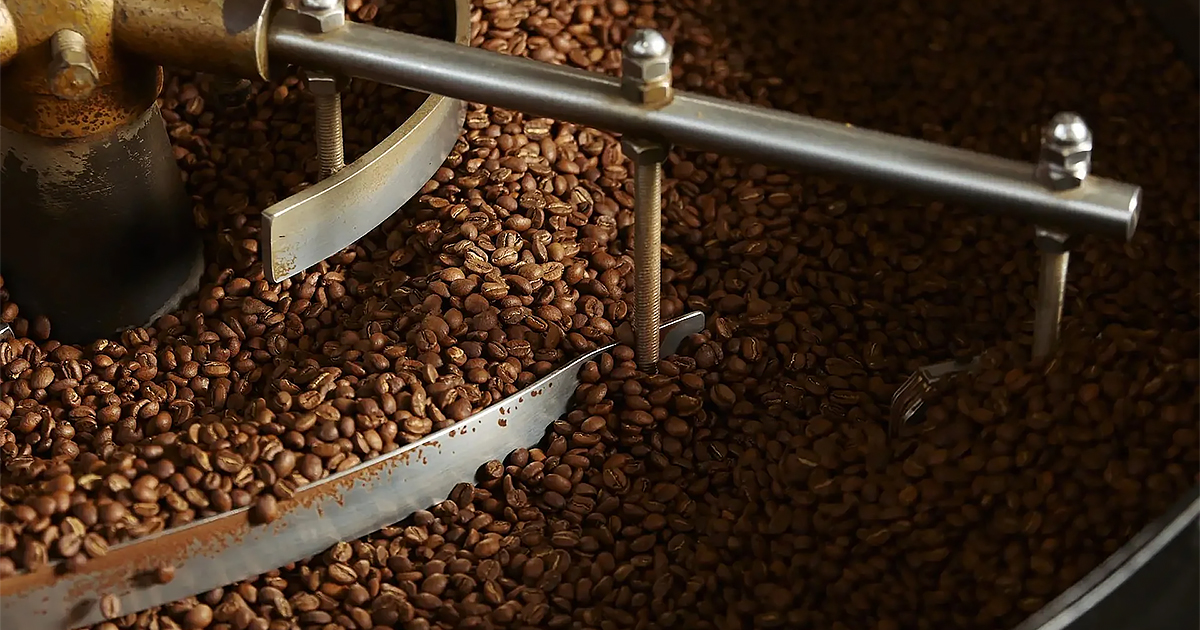
Poland has developed into one of the important coffee markets in Central and Eastern Europe. Its coffee industry includes international importers, domestic roasting companies, wholesale distributors, supermarkets, independent cafés and specialty coffee businesses. As consumer interest in premium coffee and freshly roasted whole beans grows, opportunities continue to emerge for companies sourcing coffee from established producing countries.
For Polish coffee importers and roasters, finding a suitable supplier involves more than comparing prices. Buyers need to understand the coffee’s country of origin, species, grade, processing method, quality specifications, available quantities and export arrangements. These details are essential when purchasing green coffee for commercial roasting, blending, packaging and distribution.
Robica Coffee Limited is a Ugandan coffee exporter connecting international buyers with prominent and registered coffee growers across Africa. The company provides a point of contact for international businesses interested in exploring African coffee sourcing opportunities, including Arabica and Robusta.
Whether you operate a coffee roasting company in Warsaw, a wholesale distribution business in Kraków, a specialty café in Wrocław or a retail coffee brand in Gdańsk, African coffee can be an additional sourcing option for your business.
Understanding Poland’s Coffee Market
Poland has a well-established coffee-consuming population and a growing range of coffee products available through supermarkets, independent retailers, cafés and online stores.
Traditional ground coffee and instant coffee have historically played important roles in the Polish market. However, whole-bean coffee, specialty products and freshly roasted coffee have gained attention as consumers explore different origins, brewing methods and quality levels.
According to the Fairtrade Poland report covering 2015–2024, the supply of natural roasted coffee in Poland reached approximately 96,300 tonnes in 2024, the highest level recorded in the report’s ten-year period. Average coffee consumption was estimated at 3.21 kilograms per adult in 2024.
Recent industry commentary also points to growing interest in higher-quality coffee, fresh beans, specialty espresso and convenient brewing formats. The Coffee and Tea Market Research Institute reported in September 2026 that Polish consumers were showing increased interest in better-quality beans and specialty products.
These developments create opportunities for businesses offering different coffee origins, varieties and product formats.
The Polish coffee market includes several important buyer categories:
- Green coffee importers and traders.
- Industrial coffee roasting companies.
- Independent and specialty coffee roasters.
- Coffee wholesalers and distributors.
- Supermarkets and retail suppliers.
- Hotels, restaurants and cafés.
- Online coffee retailers.
- Private-label coffee brands.
- Coffee manufacturers and processors.
Each segment has different purchasing priorities. Large roasting companies may prioritise volume, consistency and competitive pricing, while specialty roasters may focus more heavily on origin, processing methods and cup characteristics.
Poland’s Demand for Imported Green Coffee Beans
Poland relies on international coffee-producing countries for its supply of green coffee. Its roasting industry processes imported beans into products distributed through supermarkets, cafés, restaurants, wholesalers and other retail channels.
According to World Bank WITS data based on UN Comtrade, Poland imported approximately 132,724 tonnes of unroasted, non-decaffeinated coffee in 2025, with a reported import value of approximately US$865.9 million.
The leading reported suppliers by volume included:
- Brazil: approximately 35,618 tonnes.
- Vietnam: approximately 30,092 tonnes.
- Germany: approximately 28,844 tonnes.
- Uganda: approximately 8,054 tonnes.
- Ethiopia: approximately 5,698 tonnes.
These figures are particularly relevant to African coffee exporters because Uganda was among Poland’s leading reported suppliers of green coffee in 2025.
The German figure also illustrates an important feature of the Polish market. Some coffee reaches Poland through European trading and distribution hubs rather than being imported directly from the producing country.
For African exporters, this creates two potential routes into the Polish market: establishing direct relationships with Polish importers and roasters, or working through established European coffee traders and distribution networks.
Why Polish Coffee Buyers Should Explore African Coffee
Africa is home to several recognised coffee-producing countries, each offering different growing environments, varieties and processing traditions.
For Polish importers and roasting companies, African coffee can provide opportunities to diversify sourcing, introduce different origins and develop products for customers interested in distinctive coffee experiences.
Arabica and Robusta options
African producers cultivate both major commercial coffee species. Buyers can therefore explore coffee for specialty roasting, traditional blends, espresso products and other commercial applications.
Origin diversification
Importers who purchase primarily from a limited group of countries may benefit from evaluating additional origins. African coffee can provide another option when developing a broader supplier portfolio.
Distinctive regional characteristics
Coffee characteristics vary according to the producing region, variety, altitude, agricultural practices, harvest conditions and processing method. Different African origins can offer a range of flavour profiles for roasters to assess.
Opportunities for specialty products
Polish specialty coffee businesses can evaluate African Arabica for single-origin collections, premium espresso, filter coffee and seasonal releases.
Existing trade connections
African coffee is already present in the European market. Uganda’s reported position among Poland’s major green coffee suppliers in 2025 demonstrates that Ugandan coffee is commercially relevant to Polish importers.
Robica Coffee Limited connects international buyers with prominent and registered coffee growers across Africa, making it a relevant contact for Polish businesses interested in assessing African coffee sourcing opportunities.
Explore Ugandan Coffee for the Polish Market
Uganda is one of Africa’s important coffee-producing countries, with a particularly significant role in Robusta production. It also produces Arabica coffee, providing international buyers with opportunities to evaluate different coffee types from the country.
Ugandan coffee can be considered for various commercial applications depending on the specific origin, grade, processing method and quality characteristics of the lot.
Ugandan Robusta coffee
Uganda has a long-standing position in international Robusta production and trade. Its Robusta coffee is relevant to commercial roasters, importers and manufacturers developing espresso blends and other coffee products.
Polish businesses may evaluate Ugandan Robusta for:
- Espresso blends.
- Traditional roasted coffee.
- Commercial coffee roasting.
- Wholesale coffee distribution.
- Food-service coffee products.
- Industrial coffee applications.
The suitability of a particular lot depends on its physical quality, cup characteristics and the buyer’s specifications.
Ugandan Arabica coffee
Ugandan Arabica provides another sourcing option for Polish importers and specialty roasting companies.
Depending on the particular origin and processing method, buyers may evaluate Arabica for single-origin retail products, premium espresso, filter coffee and specialty collections.
Roasters should request representative samples and available quality information before confirming a commercial purchase.
Other African coffee origins
Beyond Uganda, Polish buyers may explore other African origins where suitable sourcing arrangements are available.
Comparing different origins can help importers develop regional product collections, identify coffees suited to specific roasting requirements and diversify their sourcing portfolios.
Arabica vs Robusta: Which Coffee Should Polish Buyers Purchase?
Arabica and Robusta have different characteristics and commercial applications. Polish businesses should choose according to their target customers, roasting processes and intended products.
Arabica coffee
Arabica is widely used in specialty and premium coffee products. Depending on its origin and processing, it may offer sweetness, acidity, floral notes, fruit characteristics and other complex sensory qualities.
Polish businesses may consider Arabica for:
- Specialty coffee shops.
- Premium espresso.
- Single-origin retail products.
- Filter coffee.
- Pour-over brewing.
- Seasonal coffee collections.
- Premium wholesale roasting.
Robusta coffee
Robusta is an important commercial coffee variety, particularly in espresso blends and traditional roasted coffee products.
It is generally associated with higher caffeine content, fuller body and a stronger flavour profile than Arabica.
Polish buyers may consider Robusta for:
- Espresso blends.
- Commercial coffee roasting.
- Traditional coffee products.
- Wholesale distribution.
- Food-service coffee.
- Coffee manufacturing.
Arabica and Robusta blends
Some roasting companies prefer blending the two coffee species to develop a particular balance of flavour, aroma, body and crema.
The appropriate proportions depend on the intended product, roasting process and consumer preferences. Buyers should evaluate the proposed coffees through sample roasting and brewing before finalising a commercial blend.
Green Coffee Beans for Polish Importers and Roasters
Green coffee refers to unroasted beans purchased by importers and roasting companies for further processing. It is a major product in international coffee trade because it allows buyers to control roasting, blending, packaging and distribution.
For Polish businesses with roasting operations, green coffee sourcing can provide greater control over their products and brand positioning.
Commercial coffee roasting
Industrial and commercial roasters purchase green coffee for processing into roasted products sold through supermarkets, distributors, food-service businesses and retailers.
Specialty coffee roasting
Independent roasters may purchase selected origins for single-origin products, limited releases and specialty collections.
Wholesale distribution
Coffee wholesalers can source green coffee for roasting operations or supply suitable products to their commercial customers.
Private-label coffee brands
Businesses developing their own coffee brands may explore green coffee sourcing for roasting and packaging under their own brand identity. Processing, packaging, labelling and branding arrangements should be agreed with the relevant service providers.
Coffee manufacturing
Manufacturers may evaluate green coffee for larger-scale roasting, blending and processing operations.
Before purchasing, buyers should define the required origin, coffee species, grade, quality specifications and quantity.
How Coffee Enters the Polish Market
An important consideration for international exporters is that Poland does not rely exclusively on direct imports from coffee-producing countries.
Some green coffee enters Poland through established European trading hubs, particularly Germany. The Centre for the Promotion of Imports (CBI) reported that Germany re-exported approximately 205,000 tonnes of green coffee in 2024, with Poland receiving around 80,000 tonnes.
This makes Germany an important part of the wider Polish coffee supply chain.
The Polish market can therefore be approached through different commercial channels.
Direct importers
Polish importers may purchase green coffee directly from producing countries. These businesses often manage sourcing, quality control, logistics, warehousing and sales to domestic roasting companies.
European trading companies
Some Polish buyers purchase through international coffee traders based in Germany and other European countries. These traders may already have established relationships with producing countries and offer a range of origins.
Specialised green coffee suppliers
Specialised suppliers may serve independent roasters and specialty coffee businesses looking for smaller or more specific quantities.
Direct roaster relationships
Some roasting companies increasingly seek shorter supply chains and direct relationships with coffee exporters. This may be particularly relevant for buyers looking for origin-specific products and greater information about the supply chain.
For African exporters, understanding these channels helps identify the most appropriate potential buyers according to product quality, volume and commercial requirements.
What Polish Buyers Should Consider When Buying Coffee Beans Online
Online sourcing makes it possible for Polish businesses to communicate with exporters in producing countries and explore coffee options without initially travelling to the country of origin.
However, an international coffee transaction should involve careful product and supplier assessment.
1. Confirm the coffee origin
Establish the producing country and, where available, the growing region. Origin information is important for product identification, quality assessment and traceability.
2. Identify the coffee species
Confirm whether the product is Arabica or Robusta. This helps determine whether the coffee is suitable for the intended roasting and blending application.
3. Request grade and quality specifications
Ask for applicable grading information, moisture specifications, defect details and other relevant physical quality information.
4. Understand the processing method
Coffee may be washed, naturally processed or prepared using other methods. Processing can influence physical characteristics and cup quality.
5. Request representative samples
Where available, samples allow buyers to assess the coffee before committing to a larger purchase. Roasters can evaluate physical quality, roasting behaviour and cup characteristics.
6. Confirm the available quantity
Communicate the required volume clearly. Availability depends on the specific origin, grade, supplier and shipment arrangements.
7. Verify the supplier
Conduct appropriate due diligence on the supplier’s legal identity, business contacts, transaction documentation and relevant export information.
8. Agree on commercial terms
Before making payment, establish the price, quantity, payment arrangements, delivery terms, shipping responsibilities and required documents.
A clear purchasing process helps reduce misunderstandings and ensures that both parties understand their responsibilities.
Coffee Import Requirements in Poland
Poland is a member of the European Union. Coffee imported into the country must therefore comply with applicable EU food safety, customs, traceability and product requirements.
The exact obligations depend on the type of coffee, its processing condition, country of origin and the role of the importing business.
EU food safety requirements
Coffee placed on the Polish market must comply with applicable EU food safety legislation.
Importers and suppliers should pay attention to contamination risks, hygiene during handling and storage, pesticide residues and mycotoxins, including ochratoxin A.
Buyers may request relevant quality documentation and information about the supplier’s handling and storage procedures.
Pesticide maximum residue limits
The European Union establishes maximum residue limits (MRLs) for pesticides in food products.
Coffee suppliers should ensure that their products meet the applicable limits. Importers can consult the European Commission’s pesticide database and confirm any additional requirements imposed by their customers.
Traceability
Traceability is an important part of the European coffee supply chain. Buyers should be able to identify the product’s origin, supplier, batch and relevant transaction records.
Clear lot identification and accurate documentation support quality management and regulatory compliance.
Customs classification
Coffee is classified under Chapter 09 of the EU Combined Nomenclature. The precise customs classification depends on whether the coffee is unroasted, roasted, decaffeinated or otherwise processed.
Importers should confirm the applicable code, customs treatment and origin documentation through the EU Access2Markets system or a qualified customs professional.
Organic coffee
Businesses selling coffee as organic in Poland must comply with the relevant EU organic production and labelling framework.
Importers should confirm that the coffee has the required certification and supporting documentation before marketing it as organic.
Food business responsibilities
Businesses importing, storing, processing or distributing food in Poland must assess the applicable EU and Polish food business requirements. Depending on their activities, this may include registration, hygiene controls, traceability records and other obligations under national and EU legislation.
Importers should confirm their specific obligations with the relevant Polish authorities before arranging a shipment.
Understanding the EU Deforestation Regulation for Coffee
The European Union Deforestation Regulation (EUDR) is an important consideration for Polish coffee importers and businesses involved in the supply chain.
Coffee is one of the commodities covered by the regulation. Relevant businesses must ensure that covered products meet the applicable deforestation-free and legal-production requirements before being placed on the EU market or exported, as applicable.
Depending on the business’s role, obligations can include due diligence, collection of geographical information, supply-chain traceability and submission of the required due diligence statement or simplified declaration.
As of November 2026, the European Commission lists the following application dates:
- 30 December 2026: Medium and large operators and traders.
- 30 December 2026: Micro and small enterprises already covered by the EU Timber Regulation.
- 30 June 2027: Most other micro and small enterprises.
The obligations depend on the company’s size, role, products and applicable transitional provisions.
For Polish importers sourcing coffee from Africa, it is important to discuss traceability and origin information with suppliers early in the procurement process.
Coffee exporters should work towards maintaining clear records of the relevant sourcing locations and supply-chain information required by their European customers.
Important Documents When Importing Coffee into Poland
International coffee transactions require appropriate commercial, transport and product documentation.
The exact documents depend on the coffee origin, product specifications, transaction terms and applicable import requirements.
Common documents may include:
- Commercial invoice.
- Packing list.
- Bill of lading or applicable air waybill.
- Certificate of origin, where required or requested.
- Phytosanitary or other official certificates where applicable to the product and import conditions.
- Quality specifications or certificate of analysis, where applicable.
- Organic certification documents, where the product is marketed as organic.
- Insurance documentation, where required by the agreed shipping terms.
- Customs declarations and relevant import records.
- EUDR-related information and declarations, where applicable.
Not every shipment requires every document listed above. Buyers and exporters should establish the required documentation before the coffee is dispatched.
Shipping African Coffee Beans to Poland
Shipping is an important consideration when purchasing coffee from African producing countries.
Polish buyers should evaluate the export location, shipment volume, packaging, freight route, insurance and final delivery destination before confirming an order.
Green coffee is commonly transported in suitable export packaging designed to protect the beans from moisture, contamination and physical damage during handling and transit.
Depending on the export location and logistics arrangement, coffee may enter Poland through major Baltic ports or arrive through other European gateways.
Port of Gdańsk
The Port of Gdańsk is an important international shipping gateway for Poland. Its container operations make it relevant to importers handling international cargo.
Port of Gdynia
The Port of Gdynia is another significant Baltic gateway serving Polish importers and businesses involved in international trade.
Hamburg, Germany
Hamburg is an important European coffee trading and logistics hub. Some green coffee reaches Polish buyers through German trading companies and distribution arrangements.
Antwerp, Belgium
The Port of Antwerp is another major European trading hub, with storage, handling and distribution connections that can serve buyers in Central and Eastern Europe.
The most suitable route depends on the country of origin, shipping line, freight availability, container arrangements, costs and final delivery destination.
Polish importers should evaluate the full landed cost rather than comparing only the coffee price at origin. Freight, insurance, customs-related charges, handling, warehousing and inland transportation can all affect the final purchasing cost.
Coffee Sourcing Opportunities Across Poland’s Major Cities
Poland has coffee businesses across its major cities and commercial regions. Importers, roasters, distributors and cafés can explore African coffee according to their specific customer requirements.
Warsaw
Warsaw is Poland’s capital and an important business centre. It has coffee importers, roasting companies, specialty cafés, retailers and distributors.
Businesses operating in Warsaw may explore African Arabica for specialty products and Robusta for commercial roasting and espresso blends.
Kraków
Kraków has an established café culture and a visible specialty coffee sector. Independent roasters and coffee retailers may evaluate African coffee for single-origin offerings, premium espresso and filter brewing.
Wrocław
Wrocław is an important commercial and academic centre with cafés, restaurants, independent retailers and coffee businesses. It offers opportunities for suppliers serving specialty and wholesale markets.
Gdańsk
Gdańsk is particularly relevant to coffee importers because of its port and logistics infrastructure. Businesses operating in the region may explore green coffee sourcing for local roasting and distribution.
Gdynia
Gdynia’s port and commercial activities make it relevant to international importers and businesses involved in cargo handling and distribution.
Poznań
Poznań has a diverse retail and food-service market, including coffee roasters, wholesalers and independent cafés.
Łódź
Łódź is an important industrial and commercial city with opportunities for coffee distributors, roasting companies and hospitality suppliers.
Katowice
Katowice and the wider Silesian region have businesses serving retail, hospitality and wholesale markets.
Other relevant markets include Lublin, Szczecin, Bydgoszcz, Białystok, Rzeszów and Toruń.
Coffee Products Polish Businesses Can Source
The most appropriate coffee product depends on the buyer’s business model, target customers, roasting equipment and intended application.
Polish businesses may explore the following categories when discussing requirements with Robica Coffee Limited.
Green Arabica coffee
Unroasted Arabica can be considered by specialty roasters and commercial buyers interested in single-origin coffee, premium espresso and filter products.
Green Robusta coffee
Unroasted Robusta is relevant to commercial roasters, importers and manufacturers developing espresso blends and traditional coffee products.
Single-origin coffee
Single-origin coffee allows roasters to highlight a specific country or producing region. It can be used for specialty retail, limited releases and origin-focused product collections.
Wholesale green coffee
Wholesale sourcing is relevant to importers, distributors and roasting companies that require coffee for commercial operations.
Coffee for private-label brands
Businesses developing their own coffee brands can explore green coffee sourcing for roasting and packaging under their own brand identity. Processing, packaging, labelling and branding arrangements should be agreed with the relevant service providers.
Specific origin, grade, volume and availability should be confirmed for each enquiry.
Why Work with Robica Coffee Limited?
Selecting an international coffee supplier requires careful consideration of the product’s origin, specifications, documentation and commercial arrangements.
Robica Coffee Limited is a Ugandan coffee exporter connecting international buyers with prominent and registered coffee growers across Africa.
This focus makes the company a relevant contact for Polish businesses interested in exploring African coffee sourcing opportunities, including Ugandan Arabica and Robusta.
Polish importers and roasting companies interested in discussing their requirements can provide information such as:
- Preferred coffee-producing country.
- Arabica or Robusta requirements.
- Desired grade and quality specifications.
- Processing method.
- Estimated purchase quantity.
- Intended roasting or manufacturing application.
- Preferred delivery destination in Poland.
- Relevant certification and documentation requirements.
Providing these details helps establish whether an appropriate sourcing option can be identified and what additional information may be required.
Product availability, quantities, pricing and shipping arrangements are subject to confirmation. Buyers should assess samples, product specifications and supporting documentation before entering into a commercial agreement.
How to Buy Coffee Beans Online from Poland Through Robica Coffee Limited
Polish businesses interested in African coffee can begin by submitting a clear sourcing enquiry.
Step 1: Submit your coffee requirements
Specify whether you are interested in Arabica, Robusta or both. Include the preferred origin, grade, estimated quantity and intended application.
Step 2: Discuss available sourcing options
Robica Coffee Limited can engage with its sourcing network to assess whether the requested coffee specifications can be matched.
Step 3: Review product information
Examine the available coffee specifications, origin details and relevant quality documentation.
Step 4: Evaluate samples where available
Where samples can be arranged, evaluate the physical quality and cup characteristics before confirming the intended commercial product.
Step 5: Confirm the commercial terms
The parties should agree on the quantity, price, payment arrangements, shipment terms, delivery responsibilities and documentation requirements.
Step 6: Coordinate export and shipping arrangements
Once the transaction has been agreed, the relevant parties can coordinate export and transportation in accordance with the agreed terms and applicable requirements.
Factors That Influence Coffee Bean Prices in Poland
Coffee prices vary according to product characteristics, international market conditions and the costs associated with moving coffee from the producing country to the buyer.
Polish importers should consider the following factors when evaluating quotations.
Coffee species: Arabica and Robusta may have different market prices depending on global supply, demand and quality.
Country of origin: The producing country and growing region can influence availability, market positioning and buyer demand.
Grade and quality: Physical grading, defect levels, moisture specifications and cup quality can affect the commercial value of a lot.
Processing method: Washed, natural and other processing methods can influence the coffee’s characteristics and market positioning.
Order volume: The size of an order can affect procurement, handling, packaging and freight costs.
International coffee market conditions: Global prices can change in response to weather, harvest forecasts, inventories, currency movements and international supply and demand.
Shipping costs: Freight, insurance, handling and inland transportation contribute to the landed cost of imported coffee.
Certification: Organic and other recognised certifications may involve additional requirements and costs.
For accurate comparisons, buyers should request quotations based on the same origin, grade, quantity, quality specifications and shipping terms.
Quality Assessment When Purchasing African Coffee
Quality assessment is an essential part of international coffee procurement. Buyers should establish clear specifications before confirming a purchase, particularly when importing green coffee for commercial roasting.
Important assessment areas include:
- Moisture content.
- Bean size and physical appearance.
- Defect count and grading.
- Foreign matter and cleanliness.
- Processing method.
- Cup quality and sensory characteristics.
- Packaging and storage conditions.
- Lot identification and traceability.
Specialty coffee buyers may also request cupping information, variety details, harvest information and other supporting product data.
A general description of a coffee origin should not replace an assessment of the actual commercial lot. Samples and supporting documentation should correspond to the coffee being offered.
Opportunities for Polish Specialty Coffee Roasters
Poland’s specialty coffee market provides opportunities for businesses interested in offering different origins, roasting profiles and brewing experiences.
Recent industry commentary has highlighted growing consumer interest in better-quality coffee, fresh beans and specialty espresso. This creates opportunities for roasters to evaluate coffees from additional producing regions.
African Arabica can be considered for single-origin collections, premium espresso and filter coffee, while selected Robusta lots may be evaluated for blends requiring particular body and crema characteristics.
A Polish roasting company may develop an African coffee collection featuring different producing countries and regional characteristics. Such a collection can help customers discover new origins and compare different coffee styles.
For successful product development, roasters should evaluate samples, conduct appropriate quality checks and ensure that product descriptions and origin claims are accurate.
Wholesale Coffee Sourcing for Polish Distributors
Wholesale distributors supply coffee to cafés, restaurants, hotels, supermarkets, offices, retailers and other commercial customers.
These businesses often require suitable product specifications, competitive pricing and clear arrangements for future purchases.
African coffee may provide an additional category for Polish distributors looking to expand their product offerings beyond familiar origins.
Before entering a wholesale sourcing arrangement, distributors should evaluate:
- Product suitability for their customers.
- Country of origin and grade.
- Available quantities.
- Pricing and landed costs.
- Quality specifications.
- Packaging and storage requirements.
- Export and import documentation.
- Repeat-order possibilities.
Any expectation of continued supply should be discussed and confirmed with the supplier rather than assumed from the availability of an individual shipment.
Frequently Asked Questions About Buying Coffee Beans Online from Poland
- Can I buy African coffee beans online from Poland? Yes. Polish businesses can contact international coffee exporters and suppliers to explore African-origin coffee. Robica Coffee Limited connects international buyers with prominent and registered coffee growers across Africa.
- Does Robica Coffee Limited work with Polish coffee importers? Robica Coffee Limited serves international sourcing enquiries as a Ugandan coffee exporter. Polish buyers can submit their requirements for assessment, with specific products, quantities and shipping arrangements subject to confirmation.
- Can Polish importers source Ugandan coffee? Yes. Ugandan coffee is traded internationally, and Poland imported approximately 8,054 tonnes of unroasted, non-decaffeinated coffee from Uganda in 2025, according to WITS data. Buyers can explore Ugandan Arabica and Robusta through appropriate sourcing arrangements.
- Is Ugandan Robusta suitable for the Polish coffee market?Ugandan Robusta is a relevant option for commercial roasters and businesses developing espresso blends and traditional coffee products. Its suitability depends on the grade, quality and characteristics of the particular lot.
- Can Polish roasters purchase African Arabica coffee? Yes. African Arabica can be evaluated for specialty coffee, single-origin products, filter brewing and espresso. Buyers should assess samples and specifications before making a commercial purchase.
- Can I purchase green coffee beans in bulk? Bulk green coffee sourcing can be explored through international trade arrangements. The available volume depends on the origin, grade, supplier and shipment requirements.
- What documents are required to import coffee into Poland? Depending on the product and shipment, documents may include a commercial invoice, packing list, bill of lading, origin documentation, relevant certificates and customs declarations. Importers should verify the requirements applicable to their specific shipment.
- Do Polish coffee importers need to comply with EU food safety regulations? Yes. Coffee placed on the Polish market must comply with applicable EU food safety, hygiene, pesticide residue and traceability requirements.
- Does the EU Deforestation Regulation apply to coffee imported into Poland? Coffee is covered by the EUDR. Relevant businesses must meet the applicable deforestation-free and legal-production requirements. Application dates and obligations depend on the company’s size, role and applicable transitional provisions.
- Can coffee enter Poland through Germany? Yes. Germany is an important European coffee trading hub and supplies green coffee to Poland through re-export channels. Polish buyers can source through direct imports or established European trading companies.
- Which Polish ports can receive imported coffee? The Port of Gdańsk and Port of Gdynia are important maritime gateways for Polish importers. The most appropriate route depends on the export country, shipping arrangement and final delivery destination.
- Can I source coffee for my own brand in Poland? Yes. Polish businesses can explore green coffee sourcing for their own roasting and private-label operations. Roasting, packaging, labelling and branding arrangements should be agreed with the relevant service providers and comply with applicable EU and Polish requirements.
Start Sourcing African Coffee for the Polish Market
Poland offers opportunities for international coffee suppliers through its established import network, domestic roasting industry, wholesale distribution channels and growing interest in premium coffee.
Its position as an important Central and Eastern European coffee market makes it relevant to exporters seeking relationships with importers, roasters, wholesalers and specialty coffee businesses.
African coffee can help Polish buyers diversify their sourcing options, evaluate new origins and develop products for different consumer preferences.
Robica Coffee Limited is a Ugandan coffee exporter connecting international buyers with prominent and registered coffee growers across Africa.
Polish businesses interested in exploring African coffee can submit their requirements for further discussion and assessment. Whether you are sourcing green Arabica, Robusta, single-origin coffee or wholesale quantities for commercial roasting, begin with clear product specifications, appropriate quality checks and transparent transaction terms.
Contact Robica Coffee Limited to discuss your coffee sourcing requirements and explore African coffee opportunities for the Polish market.
Leave a Reply