

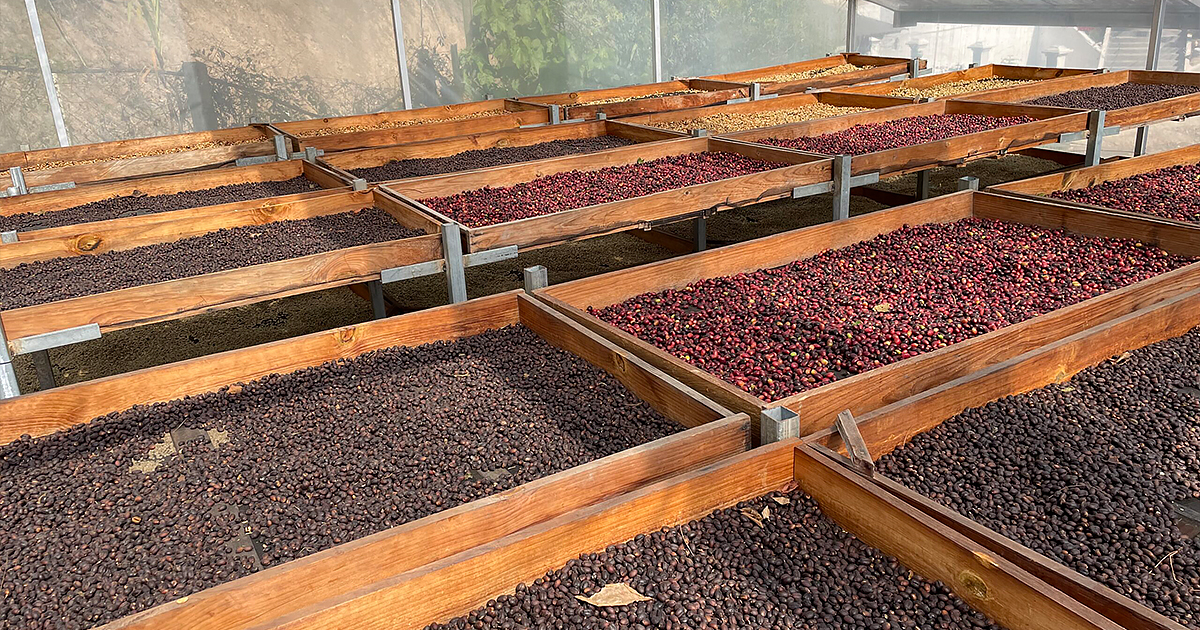
Côte d’Ivoire, also known as Ivory Coast, is an important agricultural producer in West Africa and a recognized coffee-producing country. Its coffee industry provides sourcing opportunities for international buyers seeking Robusta coffee, green coffee beans, commercial coffee for roasting, blending, wholesale distribution, and manufacturing.
The country’s coffee supply chain includes farmers, cooperatives, local collectors, processors, commercial exporters, and industry institutions responsible for regulating and supervising coffee marketing and export activities.
For international buyers, Côte d’Ivoire can be an attractive sourcing destination because of its established agricultural export infrastructure, access to coffee-producing communities, and commercial trading networks.
However, importing coffee from Côte d’Ivoire requires more than finding a supplier and agreeing on a price. Buyers must understand the available coffee varieties, verify exporters, evaluate product quality, negotiate contractual terms, arrange export documentation, coordinate international shipping, and comply with the import regulations of their destination country.
Whether you are importing green coffee for your roasting business, commercial quantities for wholesale distribution, or coffee for blending and manufacturing, understanding the process before committing to a purchase is essential.
This guide explains how to import coffee beans from Côte d’Ivoire, covering sourcing, supplier verification, coffee quality, export procedures, documentation, shipping, customs clearance, landed costs, and practical considerations for international buyers.
Understanding the Coffee Industry in Côte d’Ivoire
Côte d’Ivoire has an established coffee and cocoa industry, with coffee production and trade operating through a structured agricultural supply chain.
Coffee is sourced from farming communities, aggregated through traders and cooperatives, processed, graded, and supplied to exporters and international buyers.
The country’s coffee sector is regulated by the Conseil du Café-Cacao (CCC), commonly known in English as the Coffee-Cocoa Council.
The CCC plays an important role in supervising the coffee and cocoa sectors, including export-related commercial procedures and exporter approval.
For international coffee importers, understanding the regulatory framework is particularly important because coffee exports are subject to specific sector procedures rather than only general customs requirements.
Côte d’Ivoire may be a sourcing destination for businesses seeking:
- Commercial green coffee beans.
- Robusta coffee for roasting.
- Coffee for espresso blends.
- Coffee for instant coffee manufacturing.
- Wholesale coffee supply.
- African coffee sourcing diversification.
- Agricultural commodities for international distribution.
- Coffee for food and beverage production.
Importers should evaluate the quality, origin, availability, and commercial specifications of individual lots rather than relying solely on the country’s reputation as a coffee-producing origin.
Types of Coffee Available from Côte d’Ivoire
Before contacting exporters, buyers should establish which coffee type they require.
The variety, grade, processing method, quality, and intended application will influence supplier availability, pricing, and commercial requirements.
Robusta Coffee
Robusta is an important coffee variety in Côte d’Ivoire and is commonly associated with commercial coffee production and export.
Robusta is widely used in commercial roasting, espresso blends, instant coffee production, industrial coffee manufacturing, and products requiring a fuller-bodied coffee character.
Depending on the origin, processing, harvest, and quality of the lot, Robusta may exhibit different flavor characteristics.
Commercial buyers may source Robusta according to:
- Grade.
- Bean size.
- Moisture content.
- Defect tolerances.
- Processing method.
- Cup characteristics.
- Quantity.
- Packaging.
- Harvest period.
The actual quality of the beans should be confirmed through physical inspection, sample evaluation, and the relevant quality specifications.
Arabica Coffee
Arabica is also cultivated in Côte d’Ivoire, although commercial availability may vary according to the growing region, season, supplier, and market conditions.
Arabica may be relevant to specialty coffee roasters, premium coffee brands, cafes, and businesses that prioritize particular flavor characteristics.
Buyers interested in Ivorian Arabica should request detailed information about the producing area, variety, processing method, harvest, quality, and available quantity.
Sample evaluation is particularly important when sourcing Arabica for specialty applications.
Green Coffee Beans
Green coffee beans are unroasted coffee seeds and are commonly purchased by international coffee importers and roasting companies.
Importing green coffee allows businesses to control roasting, blending, packaging, product development, and distribution.
When sourcing green coffee from Côte d’Ivoire, buyers should specify:
- Coffee species and variety.
- Origin or producing region.
- Crop year.
- Processing method.
- Grade.
- Screen size.
- Moisture content.
- Defect tolerance.
- Packaging.
- Quantity.
- Quality requirements.
Commercial-Grade and Specialty Coffee
Coffee from Côte d’Ivoire may be considered for different commercial applications depending on the quality of the actual lot.
Commercial buyers may focus on consistency, volume, competitive pricing, and suitability for blending or roasting.
Specialty coffee buyers may require detailed traceability, producer information, processing details, cup evaluation, and more stringent quality specifications.
A buyer should not assume that every lot qualifies as specialty coffee. The classification must be supported by the actual coffee quality and the buyer’s evaluation criteria.
Coffee-Growing Regions in Côte d’Ivoire
Understanding coffee-producing areas helps importers identify potential sourcing opportunities and establish more detailed discussions with exporters.
Coffee production in Côte d’Ivoire is associated with several forested and agricultural areas across the country.
Potential sourcing areas and regional references include:
- Western Côte d’Ivoire.
- Central-western agricultural areas.
- Southern forest regions.
- Areas around Man and the western highlands.
- Coffee-producing communities in the country’s interior.
- Other producing areas connected to commercial collection and processing networks.
The specific origin of a shipment should be confirmed by the supplier.
Importers should distinguish between the exporter’s business address, warehouse location, coffee processing facility, collection point, and the actual agricultural origin of the coffee.
If traceability is important to your business, request documentation or supplier records identifying the producing area and supply chain.
Determine Your Coffee Import Requirements
Before contacting exporters, determine the exact product and commercial requirements for your intended purchase.
A clear specification helps suppliers identify suitable coffee and provide accurate quotations.
Your specification should include:
Coffee type: Robusta, Arabica, or a specified blend.
Product form: Green coffee, roasted coffee, or another processed product.
Quantity: Samples, bags, pallets, trial orders, or full container quantities.
Quality specifications: Grade, screen size, moisture content, defect tolerances, processing method, and cup profile.
Packaging: Jute bags, GrainPro liners, food-grade liners, vacuum packaging, or other agreed packaging.
Destination: Country, port of arrival, and final delivery location.
Commercial terms: FOB, CIF, CFR, FCA, or another agreed Incoterm.
Shipment timeline: Preferred shipment period and delivery requirements.
Budget: Target purchase price and estimated landed cost.
A clear specification makes it easier to compare quotations from different suppliers and avoid misunderstandings.
How to Find Coffee Suppliers in Côte d’Ivoire
Finding a suitable supplier is one of the most important stages of the importing process.
International buyers can source coffee through several channels depending on their preferred commercial arrangement, quantity, quality requirements, and level of supply-chain involvement.
Registered Coffee Exporters
Commercial exporters may source coffee from farmers, cooperatives, collectors, processors, and other suppliers before preparing it for international shipment.
Exporters can assist with commercial quotations, quality specifications, documentation, packing, logistics, and shipping arrangements.
However, buyers should verify that the exporter has the necessary registration and current coffee-export approval.
Agricultural Cooperatives
Coffee cooperatives may provide access to coffee produced by organized groups of farmers.
This sourcing channel may be useful for businesses interested in traceability, farmer relationships, origin-specific coffee, and agricultural sourcing.
Some cooperatives may work with commercial exporters to handle international shipments.
Confirm whether the cooperative is authorized to export directly or whether another registered company is responsible for export procedures.
Coffee Collectors and Aggregators
Local collectors and aggregators may purchase coffee from multiple farmers and consolidate the product for commercial buyers.
This may be useful when sourcing larger quantities or coffee with specific specifications.
However, buyers should establish the origin of the coffee, the supply chain, the quality controls, and the export arrangements.
Coffee Processors
Processors may handle coffee at different stages, including drying, hulling, sorting, grading, and packaging.
A processor may be able to provide coffee in a condition suitable for export, depending on its operations and the supplier’s commercial arrangements.
Ask what processing has been completed and whether the coffee is ready for export.
International Trade Networks
Coffee exhibitions, agricultural trade directories, sourcing platforms, commodity networks, and professional contacts can help buyers identify potential suppliers in Côte d’Ivoire.
Supplier discovery should always be followed by due diligence.
An online listing or commercial introduction is not proof that a company has the coffee available or the authority to export it.
How to Verify a Coffee Exporter in Côte d’Ivoire
Supplier verification is essential before entering into a commercial agreement or transferring funds.
Côte d’Ivoire has a regulated coffee-export sector, and buyers should establish whether the proposed exporter has the necessary credentials.
Verify Company Registration
Request the supplier’s:
- Registered company name.
- Commercial registration documents.
- Business address.
- Tax identification information.
- Import-export code.
- Exporter approval.
- Authorized representatives.
- Business bank account.
- Commercial references.
Ensure that the company information is consistent across its registration documents, quotation, contract, invoices, and banking instructions.
Confirm Coffee Exporter Approval
Coffee exporters in Côte d’Ivoire operate within a regulatory framework overseen by the Coffee-Cocoa Council (CCC).
The export procedures specify exporter approval for the relevant coffee campaign, registration of export sales, quality and weight controls, and export authorization procedures.
The buyer should request evidence that the exporter has the applicable approval for the current campaign and the proposed transaction.
Exporter approval and registration requirements should be confirmed with the CCC or the relevant official trade-information system.
Confirm the Coffee’s Availability
Ask the supplier for details of the actual coffee lot being offered.
This should include:
- Available quantity.
- Coffee variety.
- Producing region.
- Harvest period.
- Grade.
- Processing method.
- Moisture condition.
- Warehouse location.
- Packaging.
- Whether the coffee is ready for export.
- Whether it has undergone quality inspection.
If the transaction is substantial, consider arranging a warehouse inspection or independent verification before payment.
Verify Export Experience
Ask whether the company has previously exported coffee to international markets.
Where possible, request references or supporting information about previous shipments.
If the supplier is not the actual exporter, establish which company will handle the export declaration, export authorization, customs procedures, and shipping documentation.
Verify Banking Information
Payments should be made to a business account belonging to the contracting supplier or another properly documented party.
Be cautious about requests to pay unrelated individuals, unexplained bank-account changes, unusual payment channels, or pressure to transfer funds urgently.
Verify banking changes through a separately confirmed communication channel.
Request Samples Before Purchasing Bulk Coffee
Requesting and evaluating samples is an essential step in coffee sourcing.
The sample should represent the actual lot being offered for sale.
Before placing a bulk order, evaluate the coffee against your intended commercial specifications.
Physical Evaluation
Inspect the green coffee sample for:
- Bean size and uniformity.
- Color.
- Visible defects.
- Broken beans.
- Foreign materials.
- Insect damage.
- Mold or abnormal odors.
- Moisture condition.
- General cleanliness.
Physical inspection can help identify problems that may affect roasting performance, storage, or commercial value.
Cup Testing
Where applicable, roast and cup the sample to assess:
- Aroma.
- Acidity.
- Body.
- Sweetness.
- Flavor.
- Aftertaste.
- Balance.
- Cleanliness.
- Consistency.
Specialty coffee buyers may conduct formal cupping sessions using their preferred methodology.
Commercial roasting businesses may test the sample using their own roasting equipment and intended production profile.
Laboratory Testing
Depending on the destination market and intended use, buyers may require laboratory testing or additional food-safety documentation.
Testing may involve relevant contaminants, pesticide residues, moisture, or other regulated parameters.
The importer should identify the applicable testing requirements before the contract is finalized.
If the sample is approved, record the agreed specifications and sample characteristics in the commercial contract.
Understand Coffee Processing Methods
Processing methods influence the physical condition, flavor characteristics, quality, and commercial suitability of coffee.
When sourcing from Côte d’Ivoire, ask the supplier how the coffee was processed.
Washed Coffee
Washed coffee generally undergoes removal of the pulp and mucilage before drying.
The resulting coffee characteristics depend on the variety, growing conditions, fermentation, washing, drying, and storage.
Buyers may prefer washed coffee where they are seeking particular sensory characteristics or consistency.
Natural Coffee
Natural coffee is dried with the fruit surrounding the bean.
This process can produce different flavor characteristics depending on fruit maturity, drying conditions, and processing management.
Buyers should confirm that the coffee was processed properly and that the resulting beans meet their quality specifications.
Other Processing Methods
Some suppliers may offer alternative or experimental processing methods.
If the coffee is marketed as honey-processed, fermented, or otherwise specially processed, request a clear explanation of the method.
Processing claims should be documented where they form part of the commercial agreement.
Request a Commercial Quotation
Once you have identified a supplier and evaluated the sample, request a detailed quotation.
The quotation should include:
- Supplier’s legal company name.
- Buyer’s legal company name.
- Coffee variety.
- Origin.
- Grade and quality specifications.
- Quantity.
- Unit price.
- Currency.
- Total contract value.
- Packaging.
- Incoterm and named location.
- Shipment period.
- Payment terms.
- Sample approval conditions.
- Inspection requirements.
- Export documentation responsibilities.
- Insurance arrangements, where applicable.
- Quotation validity.
If the supplier quotes a price per kilogram, establish whether the price applies to net coffee weight or gross packaged weight.
Also clarify whether the quotation includes processing, sorting, packaging, warehouse handling, local transport, export documentation, inspection, port charges, and freight.
Negotiate the Purchase Agreement
After reviewing the quotation, negotiate a commercial purchase agreement that clearly defines the transaction.
Product Specifications
The agreement should precisely identify the coffee being purchased.
Avoid vague descriptions such as “Ivory Coast coffee” without further details.
Specify the variety, origin, grade, processing method, moisture specifications, defect tolerances, packaging, and other agreed quality requirements.
Quantity and Tolerances
Establish the quantity to be supplied and any permitted variation.
For larger shipments, determine whether a quantity tolerance is allowed and how the final invoice will be calculated.
Payment Terms
International coffee purchases may involve several payment arrangements depending on the parties, commercial risk, transaction size, and relationship.
Possible arrangements include:
- Advance payment.
- Deposit followed by balance payment.
- Payment against shipping documents.
- Documentary credit.
- Other mutually agreed trade-finance arrangements.
Document the payment schedule, conditions, deadlines, and responsibilities.
Quality Inspection
Agree on the inspection method, location, responsible party, and applicable standards.
The contract should establish how discrepancies will be handled and the timeframe for submitting claims.
For example, the buyer may require pre-shipment inspection, verification of packaging, and confirmation that the coffee corresponds to the approved sample and agreed specifications.
Choose the Appropriate Incoterm
Incoterms determine the responsibilities, costs, and risk-transfer arrangements between the seller and buyer.
The most commonly considered terms include FOB, CFR, CIF, FCA, CPT, and CIP.
FOB – Free on Board
Under FOB, the seller generally delivers the goods on board the vessel at the agreed port of shipment and handles export clearance.
The buyer generally arranges and pays for the main ocean freight and insurance.
FOB may be useful for buyers who have their own freight-forwarding arrangements or wish to control transportation.
CFR – Cost and Freight
Under CFR, the seller pays the freight to the named destination port, but risk generally transfers to the buyer once the goods are loaded on board the vessel at the shipment port.
Insurance is not included as a seller obligation under CFR.
CIF – Cost, Insurance and Freight
Under CIF, the seller arranges and pays for the ocean freight and required cargo insurance to the named destination port.
Risk nevertheless transfers at the shipment port when the goods are loaded on board.
Buyers should understand that CIF does not mean the seller retains responsibility for the goods throughout the entire journey.
FCA – Free Carrier
FCA may be suitable for containerized shipments and transactions where the goods are delivered to a carrier at a specified location.
It can be useful where the buyer or freight forwarder controls the principal transportation.
CPT and CIP
These terms may be considered for multimodal transportation.
CIP includes seller-arranged insurance, while CPT does not require the seller to provide insurance.
Always specify the named place or port and the applicable Incoterms version in the agreement.
12. Côte d’Ivoire Coffee Export Procedures
Coffee exports from Côte d’Ivoire are subject to a regulated sector framework involving the Coffee-Cocoa Council (CCC), customs authorities, agricultural and plant-health authorities, and other relevant institutions.
The export procedure includes exporter approval, registration of the export sale, quality control, weighing, phytosanitary certification, origin documentation, customs declaration, and shipment authorization.
The requirements applicable to a shipment should be confirmed with the exporter and competent authorities before the transaction proceeds.
Exporter Approval
The exporter must have the applicable approval for the coffee export campaign.
The export procedure identifies requirements such as an import-export code, commercial registration, and coffee-exporter approval.
Buyers should confirm the exporter is appropriately approved for the current campaign.
Registration of the Sales Contract
The coffee export procedure includes registration of the export sales contract with the CCC.
The registration process forms part of the authorization to export the specified volumes.
The supplier should confirm that the contract has been registered and the relevant export authorization obtained.
Quality Control and Weighing
Coffee lots are subject to quality verification and weighing before shipment.
The exporter should arrange the applicable inspection, weighing, and documentation procedures.
Buyers may also appoint an independent inspection company to verify the coffee’s quality, quantity, packaging, and condition.
Phytosanitary Certification
Coffee is an agricultural product and may require phytosanitary certification for export and import.
The exporter should coordinate the necessary inspection, treatments, and certification with the competent plant-health authority.
The buyer must confirm destination-country requirements before shipment.
Certificate of Origin
Origin documentation may be required for customs, commercial purposes, or preferential tariff treatment.
Depending on the destination and applicable trade arrangements, a certificate of origin or other origin-related document may be necessary.
The importer should confirm which document is required for the destination country and whether any preferential trade agreement applies.
Export Customs Declaration
The exporter or authorized customs representative prepares and submits the export declaration through the applicable customs system.
The declaration should accurately reflect the coffee description, quantity, value, destination, and transaction details.
Export Authorization and Shipment
The coffee export process includes final authorization, relevant loading or shipment permissions, customs clearance, and shipment documentation.
The exporter should confirm that all necessary formalities have been completed before the coffee is loaded and dispatched.
Documents Required to Import Coffee from Côte d’Ivoire
International coffee shipments typically require commercial, customs, transport, agricultural, and potentially food-safety documents.
The exact requirements depend on the destination country, coffee form, shipment method, and applicable regulations.
Common documents include:
Commercial Invoice: Records the seller, buyer, product description, quantity, unit price, total value, currency, and commercial terms.
Packing List: Details the number of bags or packages, packaging, net and gross weights, and shipment information.
Bill of Lading: The principal transport document for ocean freight shipments.
Air Waybill: Used for air freight shipments.
Certificate of Origin: Identifies the origin of the coffee where required.
Phytosanitary Certificate: Issued by the competent plant-health authority where required.
Coffee Quality Certificate: Documents applicable quality verification or inspection results.
Export Customs Declaration: Records the export declaration and customs processing.
Export Authorization: Applicable documentation issued through the coffee-export regulatory framework.
Certificate of Weighing: May be required for the export process.
Cargo Insurance Certificate: Applicable where insurance is required under the contract or Incoterm.
Import Permit or Authorization: Required in some destination markets or circumstances.
Food Safety Documentation: May include laboratory reports, declarations, or other evidence required by the destination country’s food regulations.
Other Regulatory Documents: Additional certificates may be required depending on the destination and product.
Importers should confirm the precise document requirements with customs authorities, agricultural authorities, and their customs broker before shipment.
Shipping Coffee from Côte d’Ivoire
After the supplier has prepared the coffee and the export documentation is progressing, the buyer and seller can arrange international transportation.
The transportation method depends on the quantity, destination, budget, delivery timeline, and commercial terms.
Sea Freight
Sea freight is generally suitable for commercial coffee quantities.
It may be more economical for larger shipments, especially when the buyer is purchasing palletized cargo or container quantities.
Coffee may be transported in bags or other agreed export packaging.
The exporter and freight forwarder should coordinate transportation from the warehouse to the port, export clearance, cargo handling, vessel loading, and onward transportation.
Air Freight
Air freight may be appropriate for:
- Coffee samples.
- Small trial orders.
- Urgent shipments.
- Specialty coffee.
- Time-sensitive commercial requirements.
Air freight is generally more expensive than sea freight, so buyers should evaluate whether the faster transportation is justified by the quantity and commercial value.
Freight Forwarders
A freight forwarder can assist with:
- Shipment booking.
- Cargo transportation.
- Export documentation.
- Shipping instructions.
- Port coordination.
- Transit arrangements.
- Customs brokerage coordination.
- Cargo tracking.
Request a written quotation that clearly identifies origin charges, freight, destination charges, handling, and applicable surcharges.
Export Ports and Logistics
Côte d’Ivoire has established maritime logistics infrastructure supporting international agricultural exports.
The Port of Abidjan and the Port of San Pedro are important commercial gateways for the country’s international trade.
Depending on the coffee’s location, shipment arrangement, freight availability, and destination, the exporter may organize transportation through one of these ports.
The buyer should confirm the actual loading port and route for the specific transaction.
The exporter should provide:
- Warehouse location.
- Inland transportation arrangements.
- Loading port.
- Vessel or carrier details.
- Estimated departure date.
- Transit time.
- Destination port.
- Shipment tracking information.
- Export documentation status.
Coffee should be transported under suitable conditions to minimize exposure to moisture, contamination, and damage.
Packaging and Storage of Imported Coffee
Coffee quality can deteriorate when beans are exposed to excessive moisture, heat, odors, pests, or poor storage conditions.
Appropriate packaging helps protect the coffee during transportation and storage.
Packaging Options
Depending on the product and commercial arrangement, green coffee may be packed in:
- Jute or burlap bags.
- Bags with food-grade liners.
- GrainPro or comparable protective liners.
- Vacuum packaging for certain specialty applications.
- Other agreed export packaging.
The buyer should specify the required bag weight, packaging material, liner, labeling, lot identification, and palletization before shipment.
Storage Requirements
Coffee should be stored in a clean, dry, ventilated environment with appropriate temperature and humidity management.
Protect the coffee from:
- Moisture.
- Condensation.
- Excessive heat.
- Strong odors.
- Pests.
- Contamination.
- Damaged packaging.
Upon arrival, inspect the shipment and document any wet bags, damaged packaging, unusual odors, contamination, or discrepancies.
Customs Clearance in the Destination Country
Once the coffee arrives, the importer must complete the customs-clearance process.
Requirements vary by destination country and may include customs declarations, import permits, duties, taxes, plant-health inspection, food-safety controls, and other regulatory procedures.
Before shipment, establish:
- Customs tariff classification.
- Applicable import duties.
- VAT or other taxes.
- Import permits or licenses.
- Phytosanitary requirements.
- Food safety requirements.
- Labeling regulations.
- Customs declaration procedures.
- Inspection and quarantine requirements.
- Required certificates.
Your customs broker should receive the shipment documents in advance to prepare the import declaration and coordinate clearance.
Where agricultural inspection is required, the coffee may need to be inspected by the relevant plant-health or food-safety authority.
Do not assume that a phytosanitary certificate issued in Côte d’Ivoire automatically satisfies all requirements of the destination country.
Calculate the Total Landed Cost
The purchase price is only one component of the total cost of importing coffee.
Buyers should calculate the landed cost before confirming their order.
Potential costs include:
- Coffee purchase price.
- Sample costs.
- Local transport.
- Processing and sorting fees.
- Packaging costs.
- Warehouse fees.
- Export documentation.
- Export inspection.
- Quality-control fees.
- Export customs clearance.
- Port handling.
- Ocean or air freight.
- Cargo insurance.
- Destination port charges.
- Customs brokerage.
- Import duties.
- VAT or other taxes.
- Quarantine or inspection fees.
- Inland transport.
- Storage costs.
- Bank and financing charges.
The landed-cost calculation should be based on the expected final quantity and complete logistics arrangement.
This helps buyers determine whether coffee from Côte d’Ivoire is commercially competitive with alternative origins and whether the transaction can meet their expected margins.
Common Mistakes to Avoid When Importing Coffee from Côte d’Ivoire
- Buying Without Evaluating Samples: Do not commit to bulk purchases without evaluating the coffee or a representative sample from the proposed lot.
- Failing to Verify Exporter Approval: Confirm that the supplier has the required business registration and coffee-export credentials for the applicable campaign.
- Ignoring the Coffee Export Procedure: Coffee exports involve sector-specific requirements. Ensure the exporter understands and can complete the relevant procedures, including contract registration, quality controls, export authorization, and documentation.
- Using Incomplete Contracts: A vague contract can lead to disputes over quality, quantity, packaging, payment, shipment, and inspection.
- Failing to Confirm Destination Regulations: Missing or incorrect documentation can result in customs delays, storage costs, penalties, or rejection.
- Misunderstanding Incoterms: FOB, CIF, CFR, and other Incoterms allocate different responsibilities and risk-transfer arrangements. Understand the selected term before agreeing to the purchase.
- Ignoring the Landed Cost: Do not evaluate the purchase based solely on the supplier’s quoted price.
- Failing to Confirm Shipment Details: Verify the quantity, packaging, loading port, shipping arrangements, documentation, and expected arrival period.
- Neglecting Storage and Handling: Poor storage can compromise coffee quality and reduce its commercial value.
- Making Unverified Payments: Use documented commercial payment arrangements and independently verify banking instructions.
How Robica Coffee Limited Can Assist International Buyers
Robica Coffee Limited is a Ugandan coffee exporter connecting international buyers with prominent and registered coffee growers across Africa.
For international buyers interested in importing coffee from Côte d’Ivoire, Robica Coffee Limited can serve as a point of contact for discussing sourcing requirements, identifying suitable supply opportunities within its sourcing network, and exploring the commercial arrangements necessary for an international purchase.
Buyers interested in Ivorian coffee should provide their requirements, including:
- Preferred coffee variety.
- Required quantity.
- Desired quality and grade.
- Processing method.
- Packaging requirements.
- Destination country.
- Target purchase price.
- Preferred shipment timeline.
Product availability, origin, quality, quantity, pricing, export arrangements, and shipment feasibility should be confirmed for each specific transaction.
By clearly defining your sourcing requirements, you can make it easier to evaluate available supply opportunities and establish suitable commercial terms.
Frequently Asked Questions About Importing Coffee from Côte d’Ivoire
- Can I import green coffee beans from Côte d’Ivoire? Yes. Green coffee is a product that international buyers can source from Côte d’Ivoire, subject to supplier availability, export requirements, and destination-country import regulations.
- What types of coffee are available from Côte d’Ivoire? Côte d’Ivoire is particularly associated with Robusta coffee, while Arabica may also be available depending on the supplier, growing area, harvest, and commercial circumstances.
- How do I find coffee exporters in Côte d’Ivoire? You can identify exporters through coffee industry networks, agricultural cooperatives, commercial suppliers, sourcing platforms, trade exhibitions, and professional contacts. Verify company registration, current exporter approval, and supply capacity before proceeding.
- Can I buy coffee directly from farmers in Côte d’Ivoire? Direct sourcing may be possible through farmers or cooperatives. However, international exports require applicable commercial, coffee-sector, and customs procedures. A registered exporter or export partner may be needed to handle the shipment.
- Can I import small quantities of Ivorian coffee? Small quantities may be possible for samples, trial orders, or specialty coffee purchases. Availability, export arrangements, and transportation methods depend on the supplier and the order.
- Which documents are required to import coffee from Côte d’Ivoire? Common documents include a commercial invoice, packing list, transport document, certificate of origin where required, phytosanitary certificate where applicable, quality documentation, export authorization, customs declaration, and destination-country import documents.
- How is coffee shipped from Côte d’Ivoire? Commercial quantities are generally considered for sea freight, while samples and smaller urgent shipments may be transported by air. The appropriate method depends on quantity, budget, destination, and shipment timeline.
- How much does it cost to import coffee from Côte d’Ivoire? The total cost depends on coffee variety, grade, quantity, supplier price, packaging, transport, insurance, export costs, destination duties, taxes, and clearance charges.
- Is Ivorian coffee suitable for specialty coffee businesses? Some lots may be suitable for specialty coffee applications, depending on their actual quality, traceability, processing, and sensory characteristics. Buyers should evaluate samples and obtain lot-specific information before making a specialty classification.
- Can I import Côte d’Ivoire coffee into Europe? Coffee may be imported into European markets subject to applicable customs, food-safety, plant-health, documentation, and other regulations. Importers should verify current requirements before shipment.
Conclusion
Importing coffee beans from Côte d’Ivoire offers international buyers an opportunity to source African coffee, particularly Robusta, and diversify their coffee supply networks.
Successful importing requires a structured approach that includes identifying suitable coffee, verifying exporters, evaluating samples, negotiating a clear purchase agreement, understanding Côte d’Ivoire’s coffee export procedures, arranging transportation, and complying with destination-country regulations.
Whether you are purchasing coffee for roasting, wholesale distribution, commercial blending, manufacturing, or specialty coffee applications, careful preparation and supplier due diligence are essential.
By understanding the process before placing an order, coffee importers can make informed decisions, minimize avoidable risks, and develop reliable international coffee-sourcing relationships.
Leave a Reply