

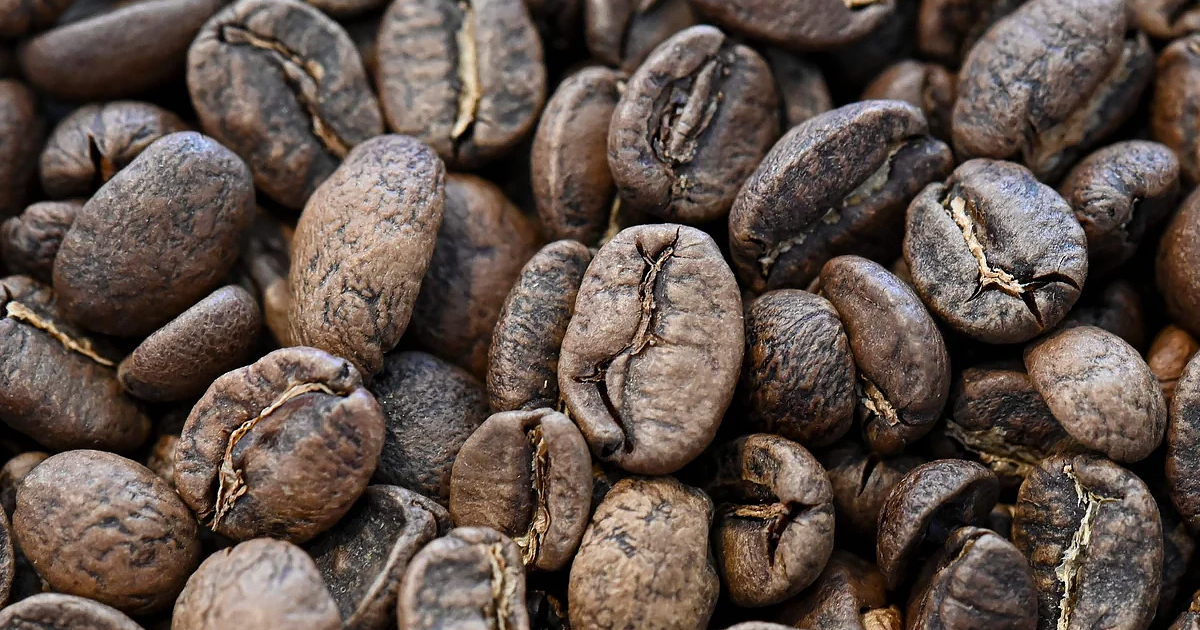
Guinea is a West African country with agricultural potential and a coffee-producing sector that presents sourcing opportunities for international buyers interested in African coffee. Importing coffee from Guinea can be an opportunity for businesses seeking green coffee beans, commercial coffee supplies, agricultural commodities and new sourcing relationships across West Africa.
However, importing coffee from Guinea requires more than identifying a supplier and agreeing on a price. Buyers must understand the country’s coffee production, sourcing locations, quality standards, export authorization requirements, documentation, transportation arrangements, international shipping procedures and destination-country import regulations.
Whether you are a coffee roaster, wholesaler, distributor, food manufacturer or commodity trader, a structured procurement process can help you minimize risks and ensure that your coffee shipment meets your commercial and regulatory requirements.
This guide explains how to import coffee beans from Guinea, from identifying potential suppliers to receiving the coffee in your destination country.
Understanding Guinea’s Coffee Industry
Guinea’s agricultural sector includes coffee cultivation, particularly in areas with suitable rainfall, elevation, soil conditions and climatic environments. Coffee production is associated with smallholder farming, agricultural cooperatives, collectors, processors and commodity trading networks.
Coffee from Guinea is generally less internationally prominent than coffee from major African exporting countries such as Ethiopia, Uganda, Kenya, Tanzania and Côte d’Ivoire. Nevertheless, international buyers researching emerging coffee origins may find opportunities to investigate Guinean coffee suppliers and establish relationships with local agricultural producers.
The commercial structure of the coffee industry may involve several parties:
- Individual coffee farmers
- Farmer associations
- Agricultural cooperatives
- Local coffee collectors
- Processing businesses
- Commercial coffee traders
- Licensed or registered exporters
- Export logistics companies
Understanding the supply chain is important because a supplier claiming to sell Guinean coffee may not necessarily own the farms, control the processing facilities or hold the required export credentials.
Buyers should establish exactly who is responsible for producing, purchasing, processing, storing, preparing and exporting the coffee before entering into a commercial agreement.
What Types of Coffee Can You Import from Guinea?
The type of coffee available depends on the producing areas, local farming practices, supplier inventories, harvest periods and the quality of the particular lot.
Robusta Coffee
Robusta coffee is commercially important in many West African coffee-growing environments. Buyers interested in Guinean coffee may investigate Robusta for:
- Commercial coffee roasting
- Espresso blends
- Instant coffee manufacturing
- Bulk coffee distribution
- Industrial coffee production
- Blended coffee products
Robusta is generally valued for its stronger body, higher caffeine content and suitability for blends and commercial applications.
However, buyers should not assume that all coffee offered from Guinea is Robusta. The botanical variety must be confirmed by the supplier and supported by appropriate product information.
Arabica Coffee
Arabica coffee may also be encountered through suppliers operating in suitable growing environments.
Arabica buyers should request information about:
- Growing altitude
- Variety or cultivar
- Harvest period
- Processing method
- Bean size
- Screen size
- Defect count
- Cup profile
- Moisture content
- Traceability
If a supplier offers Arabica coffee from Guinea, buyers should request specific documentation and samples rather than relying solely on a geographical description or marketing claim.
Green Coffee Beans
Green coffee beans are the most common form of coffee imported by businesses that intend to roast, blend, package or manufacture coffee products themselves.
Green coffee is generally purchased before roasting and is transported in suitable export packaging to protect the beans against moisture, contamination and physical damage.
For most international coffee importers, purchasing green coffee provides greater flexibility over roasting profiles, packaging, product development and branding.
Commercial-Grade Coffee
Commercial coffee is generally sourced according to practical purchasing specifications, including:
- Quantity available
- Bean variety
- Grade
- Moisture content
- Defect tolerance
- Screen size
- Processing method
- Packaging
- Price
- Shipment availability
Commercial-grade coffee may be suitable for wholesalers, manufacturers, distributors and roasters producing blends or everyday coffee products.
Specialty Coffee
Buyers seeking specialty coffee should undertake more detailed quality evaluation.
A specialty-oriented purchase may require:
- Traceable farm or cooperative information
- Harvest identification
- Processing details
- Sample roasting
- Cupping results
- Sensory characteristics
- Defect analysis
- Consistent lot identification
- Verified quality claims
Do not assume that coffee automatically qualifies as specialty coffee because of its country of origin. Specialty status should be supported by the characteristics and quality of the actual coffee lot.
Coffee-Growing Areas in Guinea
Guinea’s coffee sourcing opportunities should be investigated according to the producing region, agricultural supply chain, local processing facilities and supplier access to export markets.
Coffee production is associated with agricultural areas in Guinea’s forested and elevated regions, including parts of the southeast and areas bordering neighbouring coffee-producing countries.
When sourcing coffee from Guinea, buyers should request precise geographical information rather than accepting the country name alone.
The supplier should ideally provide information such as:
- Region of production
- Prefecture or district
- Village or community
- Farm or cooperative identification
- Harvest season
- Producer or collector details
- Processing location
- Warehouse location
- Export preparation location
Geographical information helps buyers assess traceability, logistics and the credibility of the product’s stated origin.
Forest Guinea
The forested region of southeastern Guinea offers agricultural conditions that support various crops, including coffee.
Buyers investigating coffee from this region should request information regarding the production area, the type of coffee grown, local processing practices and the supplier’s ability to consolidate export quantities.
The availability of commercial export lots will depend on individual suppliers and the particular harvest.
Highland and Agricultural Areas
Certain elevated agricultural areas may provide suitable conditions for coffee cultivation depending on altitude, climate, soil and cultivation practices.
When purchasing coffee described as originating from a highland area, the buyer should verify the exact geographical location and elevation rather than relying on a general regional description.
Determine Your Coffee Import Requirements
Before approaching suppliers, establish your own purchasing requirements.
This will help you identify suppliers capable of meeting your specifications and reduce the risk of receiving unsuitable coffee.
Your requirements should include the following.
Coffee type: Arabica, Robusta or a combination.
Product condition: Green coffee beans, roasted coffee or another coffee product.
Quantity: For example, 1 metric tonne, 5 metric tonnes, 10 metric tonnes or a full container.
Quality: Commercial-grade, premium-grade or specialty-grade coffee.
Processing: Washed, natural, dry-processed or another method.
Moisture content: Specify the acceptable range.
Packaging: Standard jute sacks, GrainPro-lined bags or other suitable packaging.
Destination: The country and port where the coffee will be delivered.
Delivery terms: FOB, CFR, CIF or another agreed Incoterm.
Budget: Your expected price per kilogram or metric tonne.
Shipment timing: Your preferred shipment period and delivery schedule.
Documentation: Required certificates, traceability information and customs paperwork.
The more precise your requirements are, the easier it will be to compare supplier quotations and evaluate whether the offered coffee is commercially suitable.
How to Find Coffee Suppliers in Guinea
Finding a reliable supplier is one of the most important stages of importing coffee.
Potential sourcing channels include agricultural cooperatives, coffee collectors, processors, commodity traders, export companies, trade associations, agricultural networks and international trade platforms.
Coffee Exporters
Exporters may provide access to consolidated coffee lots, export documentation, commercial quotations and logistics arrangements.
When contacting an exporter, ask whether the company:
- Is legally registered in Guinea
- Is registered or recognized for export activities
- Has experience exporting coffee
- Can demonstrate access to the coffee being offered
- Has a warehouse or processing arrangement
- Can provide samples
- Can arrange inspection and quality testing
- Can prepare export documents
- Has previously shipped coffee internationally
Agricultural Cooperatives
Cooperatives can provide access to coffee produced by groups of farmers.
A cooperative may be useful for buyers interested in agricultural sourcing, producer relationships and traceability.
However, a cooperative may not necessarily be authorized to export directly. Buyers should confirm whether the cooperative exports independently or works with an established exporter.
Coffee Collectors and Local Traders
Collectors may purchase coffee from farmers and consolidate it into larger quantities.
This sourcing channel can sometimes provide access to commercially available coffee, but the buyer should carefully verify:
- Product ownership
- Quantity
- Quality
- Origin
- Storage conditions
- Supplier identity
- Export arrangements
The buyer should also establish whether the collector is authorized to sell the coffee and whether the transaction can be supported by the required export documentation.
Trade and Agricultural Networks
Trade associations, agricultural organizations, commercial chambers and export promotion agencies may help buyers identify businesses operating within Guinea’s agricultural export sector.
When using intermediary networks, verify the identity and commercial standing of every party involved before transferring funds or committing to a purchase.
Verify the Supplier Before Purchasing
Supplier verification is essential when importing coffee internationally.
A supplier’s website, company profile, photographs, social media account or WhatsApp correspondence should not be treated as sufficient proof of legitimacy.
Request the following information where applicable:
- Registered company name
- Business registration documents
- Tax identification details
- Registered business address
- Export registration or authorization
- Company directors or authorized representatives
- Bank account information in the company’s legal name
- Warehouse details
- Coffee inventory information
- Previous export experience
- References from previous buyers
- Commercial invoice or quotation
- Product specifications
- Sample availability
For larger transactions, buyers may engage an independent inspection company, local commercial representative, lawyer or verification service to confirm the supplier’s identity, inventory and operational capacity.
Verify the Coffee Inventory
If a supplier claims to have a large quantity of coffee available, ask for evidence of the actual inventory.
Evidence may include:
- Warehouse inspection
- Current inventory report
- Lot identification
- Warehouse receipts
- Stock photographs with verifiable context
- Independent inspection report
- Sampling and quality evaluation
- Confirmation of ownership
Photographs alone cannot prove that the supplier owns the coffee, that the quantity is available or that the product is ready for export.
For substantial purchases, physical inspection or independent verification is strongly recommended.
Request Coffee Samples
Samples allow the buyer to evaluate the product before making a significant financial commitment.
A sample should represent the actual coffee lot being offered for sale.
The buyer should evaluate the sample for:
- Aroma
- Bean appearance
- Bean size
- Uniformity
- Moisture
- Physical defects
- Foreign matter
- Processing characteristics
- Roasting performance
- Cup quality
Where possible, the buyer should arrange a sample that is taken from the same lot intended for commercial shipment.
A sample from a different harvest or a different warehouse batch may not accurately represent the final shipment.
Sample Evaluation
Coffee buyers may conduct green-bean inspection, sample roasting and cupping to assess the product.
For commercial coffee, evaluation may focus on consistency, roasting behaviour, flavour, defects and suitability for blending or manufacturing.
For specialty coffee, additional sensory and traceability information may be required.
The buyer should record the evaluation results and compare them with the agreed purchasing specifications.
Understand Coffee Processing Methods
Processing affects coffee quality, appearance, flavour and commercial characteristics.
Natural Processing
Natural processing involves drying coffee cherries with the fruit surrounding the bean before the dried material is removed.
The method may produce coffee with fruit-forward characteristics, depending on the coffee, climate, drying conditions and processing practices.
Buyers should confirm that drying was properly managed to prevent mould, fermentation defects and contamination.
Washed Processing
Washed coffee processing generally involves removing the outer fruit and mucilage through processing before drying.
Washed coffees may exhibit cleaner and more defined flavour characteristics, depending on the variety and processing conditions.
Buyers should confirm the actual processing method rather than assuming it from the product description.
Other Processing Methods
Suppliers may use different processing techniques depending on local infrastructure, equipment, available water and commercial requirements.
Ask the exporter to describe the process used for the particular lot.
Processing information should be included in the product specification whenever it is commercially relevant.
Request a Formal Coffee Quotation
After identifying a potential supplier and evaluating the sample, request a formal quotation.
The quotation should clearly specify:
- Seller’s legal name
- Buyer’s legal name
- Product description
- Country of origin
- Coffee variety
- Processing method
- Grade or quality specification
- Quantity
- Unit price
- Total value
- Currency
- Packaging
- Shipment period
- Delivery location
- Incoterm
- Payment terms
- Quotation validity
- Required documentation
A quotation should be sufficiently detailed to enable the buyer to compare it with offers from other suppliers.
Avoid comparing quotations solely on price per kilogram. Different offers may involve different quality levels, packaging, freight arrangements, documentation, payment terms and delivery responsibilities.
Negotiate the Purchase Agreement
Once the buyer and seller agree on the commercial terms, the transaction should be documented in a purchase agreement or sales contract.
The contract should establish the obligations of both parties.
Recommended contract provisions include:
- Buyer and seller identities
- Product description
- Origin
- Quantity
- Quality specifications
- Moisture limits
- Defect tolerances
- Processing method
- Packaging
- Price
- Currency
- Payment method
- Delivery terms
- Shipment period
- Inspection arrangements
- Required documents
- Insurance responsibilities
- Dispute resolution
- Cancellation terms
- Force majeure provisions
The contract should clearly state how quality discrepancies, shortages, delays and non-conforming products will be handled.
For larger purchases, an independent inspection clause can help protect the buyer.
Choose the Appropriate Incoterm
Incoterms define important responsibilities between buyers and sellers concerning delivery, transportation costs, risk and other logistics obligations.
The most common terms buyers may encounter when importing coffee include FOB, CFR and CIF.
FOB – Free on Board
Under FOB, the seller generally delivers the goods on board the vessel at the agreed port of shipment.
The buyer typically arranges and pays for the main ocean freight and insurance after the goods are loaded, subject to the specific contractual arrangement.
FOB may be suitable for buyers who have established freight forwarding arrangements and want greater control over international transportation.
CFR – Cost and Freight
Under CFR, the seller arranges and pays for the freight to the agreed destination port.
However, the risk transfer point is generally the port of shipment when the goods are loaded on board the vessel, not when the goods arrive at the destination.
Buyers should understand this distinction when evaluating CFR quotations.
CIF – Cost, Insurance and Freight
Under CIF, the seller arranges and pays for the cost of goods, freight and specified insurance to the agreed destination port.
The risk transfer point generally remains at the port of shipment once the goods are loaded on board the vessel.
CIF may be attractive to buyers seeking a quotation that includes international freight and insurance, although the buyer must still consider destination port costs, customs duties, taxes and inland transportation.
The selected Incoterm should include the named port and the applicable Incoterms edition in the contract.
Guinea’s Coffee Export Regulations
Coffee exports from Guinea are subject to national export regulations, administrative requirements, quality-control procedures and customs formalities.
Buyers should work with exporters who understand the applicable coffee export requirements and can provide the documentation required for the shipment.
The Guinean export process involves institutions and procedures associated with export promotion, customs, quality control and plant protection.
The Agence Guinéenne de Promotion des Exportations (AGUIPEX) plays an important role in export-related procedures, including coffee export authorization and documentation.
The Office National de Contrôle de Qualité (ONCQ) is involved in quality-control procedures and certificates relevant to agricultural exports.
The applicable requirements should be confirmed before the purchase contract is finalized because administrative procedures, fees and documentation requirements may change.
Exporter Registration and Authorization
Exporters may need to demonstrate that they are legally established and possess the relevant commercial registration, tax identification, trader or exporter credentials and registration with the appropriate export-related bodies.
Coffee exporters may be required to obtain the applicable export authorization or professional export documentation.
Buyers should request evidence of the exporter’s current authorization and verify it with the relevant authorities where possible.
Export Declaration
Coffee shipments require export declarations and supporting commercial information.
The exporter should ensure that the coffee shipment is properly declared through the applicable export system and that the declarations accurately describe the product, quantity, value, destination and shipment details.
Quality Inspection
Coffee destined for export may be subject to quality-control procedures.
The exporter should confirm the inspection requirements applicable to the shipment and arrange for any required quality certification before the coffee is dispatched.
Phytosanitary Certification
Coffee beans are agricultural products and may be subject to phytosanitary requirements.
The exporter should coordinate with the relevant plant-protection authority to obtain the appropriate certificate where required.
The buyer must also verify the phytosanitary conditions imposed by the destination country, including any additional treatment, inspection or documentation requirements.
Export Documentation Required for Coffee from Guinea
Export documents are essential for customs processing, shipment handling, financial settlement and destination-country clearance.
The exact document requirements may depend on the shipment, destination, applicable regulations and commercial arrangements.
Documents that may be required include:
1. Commercial Invoice
The commercial invoice identifies the seller, buyer, product description, quantity, unit price, total value and commercial terms.
2. Packing List
The packing list details the shipment packaging, number of bags, net weight, gross weight and other packing information.
3. Export Declaration
The export declaration records the shipment details and supports the customs export process.
4. Declaration Descriptive d’Exportation (DDE)
The DDE is a descriptive export declaration associated with Guinean export procedures.
The exporter should confirm how it must be prepared and processed for the specific shipment.
5. Certificate of Origin
The certificate of origin identifies the country in which the coffee originated.
It may be required for customs purposes, trade documentation or preferential tariff arrangements where applicable.
6. Quality Certificate
A quality certificate may be required to confirm that the coffee has been inspected or evaluated according to applicable export requirements.
7. Phytosanitary Certificate
This certificate is issued by the competent plant-protection authority and confirms relevant phytosanitary compliance.
8. Fumigation Certificate
A fumigation certificate may be required depending on the shipment, treatment and destination-country regulations.
9. Export Authorization or Exporter Credentials
The exporter should provide evidence of the relevant authorization or credentials required for the coffee export.
10. Contribution or Fee Payment Evidence
Certain export procedures may require proof of payment of applicable export-related fees, contributions or levies.
11. Bill of Lading
For ocean freight, the bill of lading is issued by the shipping carrier or its agent and serves as a transport document and receipt for the cargo.
12. Insurance Certificate
Where insurance is required under the contract or Incoterm, the appropriate insurance document should be provided.
13. Additional Destination Documents
Depending on the importing country, the buyer may require additional documents such as food-safety documentation, importer declarations, traceability records, pesticide-residue information or other compliance documents.
The buyer should confirm the required document list with the customs broker and relevant authorities in the destination country before shipment.
How Coffee Is Prepared for Export
Once the purchase has been confirmed and the export arrangements are in place, the coffee must be prepared for international transportation.
Export preparation may involve:
- Receiving coffee from producers or collectors
- Consolidating the required quantity
- Cleaning and grading
- Removing unsuitable beans and foreign matter
- Drying or conditioning where necessary
- Quality inspection
- Moisture testing
- Lot identification
- Packaging
- Marking bags
- Warehouse preparation
- Export documentation
The final export lot should correspond with the product specifications agreed between the buyer and seller.
Buyers should request confirmation of the lot number, final quantity, packaging details and quality results before shipment.
Coffee Packaging for International Shipment
Coffee must be packaged in a manner that protects the beans during storage, handling and transportation.
Common green-coffee packaging includes jute bags, woven bags and suitable inner liners.
Packaging requirements may depend on the quality of coffee, shipment size, destination and buyer specifications.
Jute Bags
Jute bags are commonly used for commercial green coffee shipments.
They provide a traditional packaging format and are suitable for handling and stacking when properly prepared.
GrainPro or Hermetic Liners
Hermetic liners may be used inside conventional coffee bags to provide additional protection against moisture exposure and certain environmental conditions.
They may be particularly useful for buyers concerned about preserving coffee quality during extended transport or storage.
Bag Markings
Coffee bags should carry appropriate identification and markings.
These may include:
- Exporter name
- Country of origin
- Coffee type
- Lot number
- Net weight
- Product description
- Destination markings
- Buyer identification where agreed
All markings should be consistent with the commercial documents and shipment information.
Shipping Coffee from Guinea
International coffee shipments from Guinea may be transported by sea, air or land depending on the destination, quantity and commercial requirements.
Sea Freight
Sea freight is generally suitable for larger coffee shipments because it can offer lower transportation costs per unit compared with air freight.
The exporter and freight forwarder may arrange cargo transportation to the relevant port, container loading, export clearance and ocean freight.
For bulk commercial purchases, sea freight is commonly the preferred option.
Air Freight
Air freight may be considered for:
- Samples
- Small commercial quantities
- Urgent shipments
- High-value coffee
- Time-sensitive deliveries
Air transportation is usually more expensive than sea freight and may not be practical for large commercial quantities.
Land Transport
Land transport may be relevant for shipments to neighbouring countries or destinations connected by regional road networks.
The feasibility of land transport depends on the destination, border procedures, transit arrangements, customs requirements and available logistics services.
Exporting Coffee Through Conakry
Conakry is an important international logistics and maritime gateway for Guinea.
Exporters may coordinate coffee transportation from production or collection areas to the port and arrange the necessary export formalities before shipment.
For ocean freight, buyers should confirm:
- Port of loading
- Shipping line
- Container availability
- Container type
- Loading date
- Estimated departure
- Transit time
- Destination port
- Freight charges
- Port handling costs
- Export clearance arrangements
The supplier should provide a shipment schedule and confirm whether the quoted price includes transportation from the warehouse to the port.
The buyer should also confirm whether the container will be loaded at the supplier’s warehouse or at another designated loading facility.
Importing Coffee into Your Destination Country
The import process does not end when the coffee leaves Guinea.
The buyer must comply with the import regulations of the destination country.
Requirements may include:
- Importer registration
- Customs registration
- Import declaration
- Commercial invoice
- Packing list
- Bill of lading
- Certificate of origin
- Phytosanitary certificate
- Import permits where applicable
- Food-safety requirements
- Customs duties
- VAT or other applicable taxes
- Inspection requirements
- Cargo release procedures
Coffee is classified under the customs tariff system, generally within HS Chapter 09, with the specific tariff classification depending on the type and processing state of the product.
Buyers should confirm the correct HS code with their customs broker or customs authority before shipment.
Different customs classifications may apply to green coffee, roasted coffee, decaffeinated coffee and coffee extracts or preparations.
Calculate the Total Landed Cost
The purchase price of coffee is only one component of the total import cost.
A buyer should calculate the landed cost before committing to the transaction.
Potential costs include:
- Coffee purchase price
- Local transportation
- Warehouse charges
- Export preparation
- Quality inspection
- Export documentation
- Applicable export fees
- Packaging
- Container loading
- Freight forwarding
- Ocean freight or air freight
- Cargo insurance
- Destination port charges
- Customs clearance
- Import duties
- VAT or other taxes
- Inspection charges
- Storage
- Demurrage
- Inland transportation
- Bank charges
- Currency conversion
- Financing costs
A landed-cost calculation helps the buyer determine whether the coffee can be sold profitably after importing it.
The buyer should also account for potential losses associated with damaged packaging, quality discrepancies, moisture exposure, delays and other shipment-related risks.
Common Mistakes When Importing Coffee from Guinea
Importers can encounter significant problems if they do not conduct adequate supplier and transaction checks.
Purchasing Without Verifying the Supplier
A supplier may claim to have coffee available without owning the inventory or having a confirmed arrangement with the producer.
Verify the supplier’s identity, business registration, product access and export capability before committing funds.
Ignoring Quality Specifications
A vague agreement stating only “coffee beans” is insufficient for a commercial transaction.
Define the variety, quality, grade, processing, moisture content, defect tolerances, packaging and other relevant specifications.
Failing to Confirm Export Authorization
An exporter may have access to coffee but may not possess all the required credentials or documentation to export it.
Confirm the applicable authorization and export process before arranging payment.
Paying Without Independent Verification
Avoid making large payments based solely on photographs, documents sent through messaging applications or verbal assurances.
For large transactions, consider independent inspection, warehouse verification and professionally documented contracts.
Underestimating Logistics Costs
A quotation that excludes inland transportation, port handling, export fees or destination charges may be substantially more expensive than expected.
Calculate the complete landed cost before accepting the supplier’s offer.
Ignoring Destination Import Requirements
A coffee shipment may be properly exported from Guinea but still encounter problems if the importer has not completed the necessary import procedures.
Confirm destination-country requirements before shipment.
Failing to Arrange Insurance
Cargo may be exposed to damage, loss, theft, moisture and other transportation risks.
Ensure that the insurance arrangement is appropriate for the shipment and that responsibilities are clearly established under the contract.
21. Working with Robica Coffee Limited
Robica Coffee Limited is a Ugandan coffee exporter connecting international buyers with registered coffee growers and sourcing networks across Africa.
For businesses interested in importing coffee from Guinea or exploring African coffee sourcing opportunities, Robica can serve as a point of contact for discussing purchasing requirements, sourcing possibilities and potential commercial arrangements.
Buyers can communicate their requirements, including:
- Coffee variety
- Quantity
- Quality specifications
- Processing method
- Packaging
- Destination country
- Preferred shipping arrangements
- Target price
- Required delivery schedule
Robica can discuss sourcing opportunities and the feasibility of meeting these requirements, subject to confirmation of the particular origin, coffee availability, quality, pricing, documentation and export arrangements.
International buyers seeking to develop long-term African coffee sourcing relationships may benefit from discussing their purchasing requirements with an exporter familiar with regional coffee supply chains.
Frequently Asked Questions
- Can I import coffee directly from Guinea? Yes, international buyers can purchase coffee from Guinean suppliers, subject to the exporter meeting applicable export requirements and the buyer complying with the import regulations of the destination country.
- What type of coffee is available from Guinea? Coffee availability depends on the supplier, producing region, harvest and commercial inventory. Buyers should confirm whether the offered coffee is Arabica, Robusta or another specified product.
- Can I buy green coffee beans from Guinea? Green coffee beans may be sourced for international roasting, blending, manufacturing and wholesale distribution. The buyer should confirm the coffee’s quality, processing, packaging and shipment availability.
- Do I need an export permit to ship coffee from Guinea? Coffee exports are subject to export-related requirements. Exporters may need appropriate registration, credentials and authorization, alongside export declarations, quality certification and other supporting documents.
- What documents are required to import coffee from Guinea? Common documents include the commercial invoice, packing list, export declaration, certificate of origin, quality certificate, phytosanitary certificate, bill of lading and other documents required by the destination country and applicable export procedures.
- How is coffee shipped from Guinea? Coffee may be transported by sea, air or land depending on the destination, shipment size, logistics arrangements and commercial requirements. Sea freight is commonly considered for larger commercial quantities.
- Can I import a small quantity of coffee from Guinea? Smaller quantities may be possible depending on supplier availability, minimum order quantities, packaging and transport arrangements. Samples or small shipments may be transported by air.
- How can I verify a Guinean coffee supplier? Verify the company’s legal registration, business identity, export credentials, product inventory, coffee quality, warehouse arrangements and previous export experience. Independent inspections may be appropriate for larger purchases.
- Is coffee from Guinea suitable for specialty coffee buyers? Suitability depends on the specific coffee lot. Buyers should assess traceability, processing, quality, cup profile, defects and other relevant specialty criteria rather than relying solely on the country of origin.
- Can Robica Coffee Limited help me source coffee from Guinea? Robica Coffee Limited can discuss your coffee sourcing requirements and explore potential sourcing or commercial arrangements within its network, subject to availability, origin, quality, pricing and transaction feasibility.
Conclusion
Importing coffee from Guinea can offer opportunities for international coffee businesses seeking to diversify their sourcing relationships and explore agricultural supply chains in West Africa.
The process requires careful supplier selection, product evaluation, commercial negotiations, export compliance, documentation, transportation planning and destination-country customs clearance.
Buyers should verify the supplier’s credentials, inspect or sample the coffee, establish clear quality specifications, confirm the export documentation and calculate the total landed cost before committing to a purchase.
By approaching the transaction professionally and conducting the appropriate due diligence, importers can make better-informed sourcing decisions and develop sustainable commercial relationships with coffee suppliers in Guinea.
Leave a Reply