

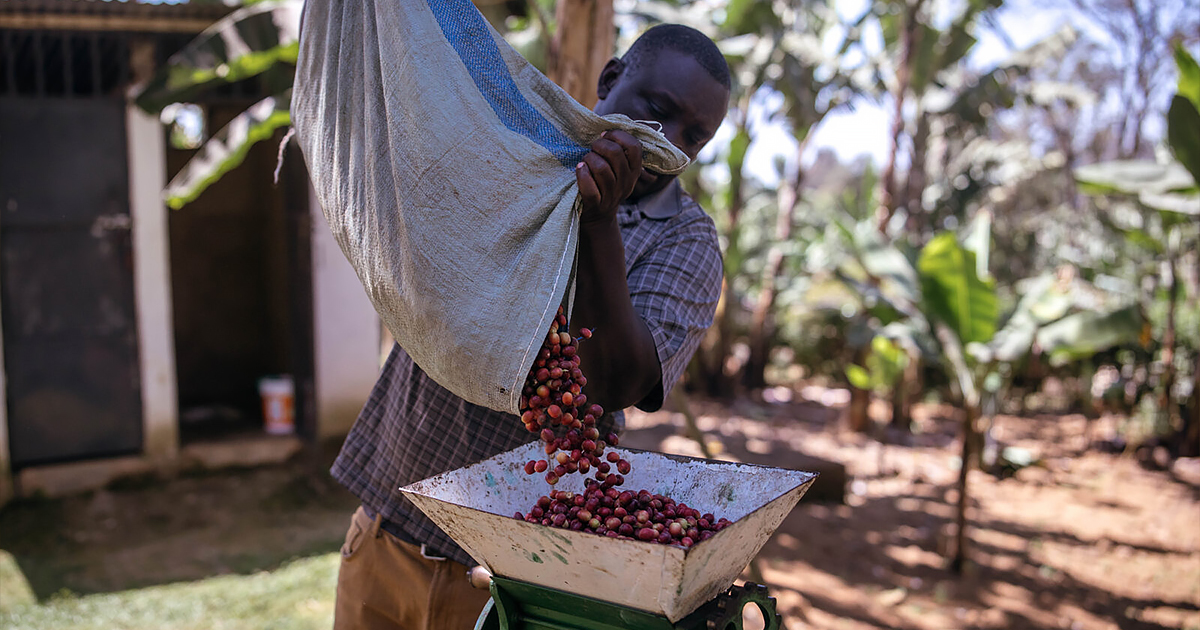
Tanzania is an established coffee-producing country in East Africa, supplying international markets with Arabica and Robusta coffee from a range of growing regions. Its coffee industry includes smallholder farmers, cooperative societies, estates, processors, licensed dealers, exporters and commercial trading businesses.
For international coffee buyers, Tanzania offers sourcing opportunities ranging from specialty Arabica coffee grown in highland areas to commercial Robusta suitable for blending, roasting and manufacturing.
Importing coffee from Tanzania can be an opportunity for businesses looking to diversify their coffee supply, establish relationships with African producers and access different coffee origins. However, successful importing requires proper supplier verification, product quality assessment, commercial negotiations, export documentation, shipping arrangements and compliance with destination-country regulations.
Whether you are a coffee roaster, wholesaler, importer, distributor, retailer or manufacturer, this guide explains how to import coffee beans from Tanzania and what you should understand before purchasing.
Understand Tanzania’s Coffee Industry
Tanzania has a diverse coffee industry with production concentrated in several regions, including the northern coffee-growing areas around Kilimanjaro and Arusha, the southern highlands around Mbeya and Songwe, and the northwestern region around Kagera.
The country produces both Arabica and Robusta coffee, serving different segments of the international coffee market.
Its coffee supply chain includes:
- Smallholder coffee farmers.
- Farmer cooperative societies.
- Agricultural producer groups.
- Coffee estates.
- Washing stations and processing facilities.
- Licensed coffee dealers.
- Coffee exporters.
- International trading companies.
Tanzania’s coffee industry operates under a regulated marketing system involving the Tanzania Coffee Board (TCB), coffee auctions, licensed trading participants and approved export arrangements.
International buyers can explore different sourcing channels depending on the coffee they need, their quantity requirements, their preferred origin and the supplier’s authorisation.
Tanzania is particularly attractive to buyers interested in:
- Specialty Arabica coffee.
- Highland-grown coffee.
- Commercial green coffee.
- Robusta coffee.
- Traceable coffee from cooperatives and estates.
- African-origin coffee for wholesale and retail.
- Coffee suitable for roasting, blending and manufacturing.
Understanding the country’s coffee supply chain helps buyers identify the right supplier and determine how the coffee will be sourced, prepared and exported.
Choose the Type of Tanzanian Coffee You Want to Import
Before contacting exporters, determine which coffee product you require.
The type of coffee you choose will influence its sourcing region, commercial grade, quality specifications, packaging, price, shipment requirements and intended application.
Tanzanian Arabica Coffee
Arabica is widely associated with Tanzania’s specialty and highland coffee production.
It is cultivated in regions including Kilimanjaro, Arusha, Mbeya, Songwe and other suitable high-altitude areas.
Depending on the origin, variety, processing method and growing conditions, Tanzanian Arabica may offer flavour characteristics such as citrus, fruit, sweetness, floral notes, chocolate, balanced acidity and other sensory qualities.
These characteristics vary between lots, so buyers should request representative samples rather than assume every coffee from Tanzania has the same profile.
Tanzanian Robusta Coffee
Robusta is primarily associated with Tanzania’s northwestern coffee-growing areas, particularly Kagera.
It is commonly used in commercial coffee blends, espresso blends, instant coffee production and other applications where its particular flavour, body and commercial characteristics are suitable.
Buyers should confirm the specific grade, preparation, defect count, moisture level and quality specifications of the Robusta being offered.
Green Coffee Beans
Green coffee refers to unroasted coffee beans.
It is generally the preferred product for importers, wholesalers, commercial roasters and coffee manufacturers who want to roast, blend, package or process the coffee after arrival.
Importing green coffee allows buyers to control the roasting process, create their own product profiles and develop their own retail or wholesale offerings.
Roasted Coffee Beans
Roasted Tanzanian coffee may be suitable for retailers, distributors, hospitality businesses and brands purchasing finished coffee products.
However, roasted coffee requires different packaging, freshness, shelf-life, labelling and food safety considerations from green coffee.
Buyers should confirm the supplier’s roasting capability and the product’s suitability for the destination market.
Specialty Coffee
Specialty buyers may seek specific varieties, origins, processing methods, traceability, cup characteristics and documented quality assessments.
Some lots may be offered through specialised sourcing relationships or approved direct-export arrangements, depending on their eligibility and availability.
The importer should establish the precise lot specifications and commercial conditions before purchasing.
Explore Tanzania’s Major Coffee-Growing Regions
Understanding Tanzania’s coffee origins can help international buyers choose beans according to their intended market, flavour preferences and commercial requirements.
Kilimanjaro
Kilimanjaro is one of Tanzania’s recognised coffee-producing regions, particularly associated with Arabica coffee grown around the slopes of Mount Kilimanjaro.
The region has a long history of coffee cultivation and is known internationally among buyers interested in East African coffee origins.
Depending on the specific growing area, variety and processing method, coffee from Kilimanjaro may offer balanced acidity, sweetness, citrus, floral or other distinctive cup characteristics.
Arusha
Arusha is an important coffee-growing and trading region in northern Tanzania.
Buyers may explore Arabica coffee from the region for commercial roasting and specialty applications, depending on its quality, preparation and availability.
Arusha also has a role in the wider agricultural and coffee trading ecosystem serving northern Tanzania.
Mbeya
Mbeya is a significant coffee-producing region in Tanzania’s southern highlands.
Coffee from the region may appeal to international buyers looking for highland Arabica, different processing methods and sourcing opportunities from southern Tanzania.
Its growing conditions and production systems contribute to the diversity of Tanzanian coffee available to international markets.
Songwe
Songwe is another coffee-producing area in the southern highlands.
Buyers may explore coffee from this region when sourcing Arabica for specialty roasting, commercial roasting and wholesale distribution.
The precise cup characteristics depend on the farm, variety, altitude, harvest and processing.
Kagera
Kagera is particularly important for Tanzanian Robusta coffee.
Coffee from the region can be suitable for commercial blends, instant coffee manufacturing and other applications where Robusta is required.
Buyers seeking Tanzanian Robusta should confirm the product’s commercial grade, preparation, quality specifications and available quantities.
Other Coffee-Producing Areas
Coffee is also cultivated in other parts of Tanzania, including regions with suitable climate, altitude and growing conditions.
International buyers should request exact origin information rather than relying solely on broad regional descriptions.
Identify Reliable Tanzanian Coffee Exporters
Finding a reliable exporter is one of the most important stages of importing coffee from Tanzania.
Tanzania’s coffee supply chain includes producers, cooperative societies, marketing agents, licensed coffee dealers, processors and exporters.
Buyers should understand the supplier’s commercial role and confirm that the supplier is authorised to undertake the proposed transaction.
When evaluating a potential supplier, consider:
Business Registration
Verify the company’s legal identity, registered business name, address and relevant business documentation.
Coffee Export Licence
Confirm that the supplier holds the applicable green coffee export licence or other authorisation required for the product and export arrangement.
Tanzania Coffee Board Registration
Establish whether the exporter is registered with the Tanzania Coffee Board and whether the supplier meets the relevant requirements for the proposed transaction.
Supply Chain
Ask whether the coffee is sourced through the Moshi Coffee Exchange, cooperative societies, estates, approved direct-sale arrangements or other authorised channels.
Product Availability
Confirm that the supplier has access to the required origin, grade, quantity and quality for the intended shipment.
Quality Assurance
Request information about grading, processing, inspection, moisture control, storage and quality management.
Export Experience
Confirm that the exporter understands export permits, customs clearance, shipping arrangements, documentation and destination-country requirements.
Commercial Transparency
Request a written quotation, clear payment conditions, product specifications and a properly documented sales contract.
A professional supplier should be able to explain where the coffee originates, how it was sourced, which grade is being offered, how the shipment will be prepared and what export documentation will be provided.
Buyers should verify supplier claims independently and exercise caution when dealing with unusually low prices, unverifiable warehouse claims or requests for substantial advance payments without adequate documentation.
Understand the Moshi Coffee Exchange and Direct Export Channels
Tanzania has an established coffee marketing system that international buyers should understand before sourcing coffee.
Two important sourcing channels are the auction system and eligible direct-export arrangements.
Purchasing Through the Moshi Coffee Exchange
The Moshi Coffee Exchange is an important regulated coffee auction market in Tanzania.
Coffee dealers purchase coffee through the exchange, where marketing agents sell coffee on behalf of cooperative societies, smallholder farmers and estate owners.
The auction system provides a commercial mechanism for coffee to be marketed, graded and sold through approved participants.
International buyers may work with licensed Tanzanian exporters who source coffee through the auction, prepare the required documentation and arrange export.
Buyers should confirm the auction origin, lot identification, grade, quantity, price and any additional charges associated with the coffee purchased.
Direct-Export Arrangements
Tanzania also has regulated direct-export arrangements for eligible grower-marketers and other qualifying participants.
Under these arrangements, eligible producers may negotiate coffee sales directly with international buyers, subject to applicable licences, permits, quality requirements and contract registration.
Direct sourcing may appeal to specialty coffee buyers interested in traceability, producer relationships, specific lots and documented origins.
However, direct export is not automatically available to every coffee trader or intermediary. Buyers should verify that the supplier qualifies under the relevant regulatory arrangements.
Cooperative and Estate Sourcing
Coffee may be sourced through cooperative societies, farmer groups, estates and other eligible producer arrangements.
Buyers interested in traceability should ask whether the supplier can provide information about the cooperative, estate, growing area, processing facility and specific lot.
Understanding the sourcing channel helps importers evaluate supplier credibility and establish the documentation required for the transaction.
Request Samples and Evaluate Coffee Quality
Before confirming a commercial order, buyers should request samples of the coffee they intend to import.
Quality assessment is essential because Tanzanian coffee varies according to origin, variety, altitude, harvesting, processing, preparation, storage and grading.
For green coffee, buyers should evaluate:
- Moisture content.
- Bean size and screen distribution.
- Defect count.
- Foreign matter.
- Physical appearance.
- Colour.
- Aroma.
- Processing method.
- Crop year.
- Storage condition.
- Cup quality and sensory characteristics.
For specialty coffee, buyers may additionally request:
- Cupping score where available.
- Flavour notes.
- Variety information.
- Growing altitude.
- Farm or cooperative details.
- Processing method.
- Harvest information.
- Lot identification.
- Traceability records.
Buyers should establish written quality specifications and agree on the inspection process before finalising the purchase.
The approved sample should represent the actual commercial lot. Where practical, buyers should verify that the shipped coffee corresponds with the sample they approved.
Negotiate Quantity, Price and Commercial Terms
After identifying a supplier and approving the sample, buyers should negotiate the commercial terms.
The quotation should clearly identify the coffee product, quantity, price, delivery conditions and payment arrangements.
Coffee Type and Grade
Specify whether the order is for Arabica or Robusta, the origin, grade, preparation and any specialty requirements.
Quantity
Confirm the required quantity in kilograms or metric tonnes and the number of bags or packaging units.
Price
Agree on the price per kilogram or metric tonne, currency, quotation validity and pricing basis.
Packaging
Confirm the bag type, bag weight, liners, markings, packaging requirements and export preparation.
Delivery Terms
Agree on the Incoterm and named port or delivery location.
Payment Arrangements
Specify the payment method, payment schedule, banking arrangements and conditions for releasing the shipment.
Quality Requirements
Document moisture levels, grades, defect tolerances, sampling, inspection procedures and any other quality requirements.
Shipment Schedule
Agree on the expected shipment period, readiness date, loading arrangements and delivery expectations.
Contractual Obligations
The written agreement should establish the responsibilities of both parties, including documentation, inspection, shipment, payment, quality disputes and remedies for non-conformity.
A written sales contract is particularly important for large orders and first-time transactions.
Understand FOB, CFR and CIF When Importing Tanzanian Coffee
International coffee buyers should understand the delivery terms included in their supplier’s quotation.
Incoterms establish important responsibilities relating to transport, costs, insurance and risk transfer.
FOB – Free On Board
Under FOB, the seller generally delivers the coffee on board the nominated vessel at the agreed port of shipment.
The buyer normally arranges and pays for the main sea freight and insurance.
FOB may be suitable for experienced importers who prefer to manage their own shipping arrangements.
CFR – Cost and Freight
Under CFR, the seller arranges and pays for the freight to the named destination port.
Risk transfers to the buyer when the goods are loaded on board the vessel at the port of shipment. The buyer generally arranges insurance.
CIF – Cost, Insurance and Freight
Under CIF, the seller arranges and pays for the freight and the required minimum insurance cover to the named destination port.
Risk nevertheless transfers when the goods are loaded on board the vessel at the port of shipment.
Buyers should understand the distinction between who pays for freight and where the risk transfers.
The contract should identify the named port and applicable Incoterms version. It should also specify responsibility for destination handling, customs clearance, duties, taxes and inland transportation.
Understand Tanzania’s Coffee Export Requirements
Coffee exports from Tanzania are subject to the country’s coffee industry laws and regulatory procedures.
The Tanzania Coffee Board (TCB) is responsible for regulating important aspects of the coffee industry, including coffee trading, quality, export approvals and relevant licensing procedures.
The Tanzania Trade Information Portal provides export procedures covering licensing, auction purchases, export approvals, inspection, certification and customs clearance.
Important export-related requirements include:
Green Coffee Export Licence
Businesses exporting green coffee must obtain the applicable green coffee export licence.
The official export procedure includes registration, an application process and inspection of the exporter’s office before the licence is issued. <Cite refs={[“turn290326search2″,”turn290326search8”]}/>
Coffee Export Approval
The exporter must obtain the applicable coffee export approval or permit from the Tanzania Coffee Board before exporting the consignment.
The relevant export approval is associated with the applicable Coffee Industry Act and Coffee Industry Regulations.
Coffee Auction Purchase
Where the coffee is sourced through the Moshi Coffee Exchange, the exporter must complete the relevant auction purchasing procedures, including the applicable sample, catalogue, bidding, payment and post-auction requirements.
Direct-Export Licence and Permit
Eligible grower-marketers participating in direct-export arrangements must comply with the applicable licensing, quality, contract registration and permit requirements.
Coffee Quality Inspection
The coffee must meet applicable quality standards and undergo the required inspection and certification procedures.
Certificate of Origin
The applicable International Coffee Organization certificate of origin forms part of the coffee export documentation process.
Phytosanitary Certification
A phytosanitary certificate may be required according to the export procedure and destination-country plant-health requirements.
Radioactivity Analysis Certificate
The Tanzania Trade Portal identifies a certificate of radioactivity analysis among the requirements in its green coffee export procedure for certain routes and transactions. Buyers should confirm whether this certificate applies to their specific consignment.
Customs Export Declaration
The exporter must complete the relevant customs declaration, clearance and cargo release procedures through the applicable Tanzania Revenue Authority systems.
Port Clearance
The coffee must undergo the applicable port handling, inspection, loading, documentation and release procedures.
The exact requirements depend on the supplier, coffee type, sourcing channel, export route and current regulations.
International buyers should request confirmation that the exporter is authorised and able to complete all applicable export procedures for the proposed transaction.
Prepare the Required Coffee Export Documents
Documentation is essential for international coffee shipments.
Buyers should request a document checklist from the exporter before confirming shipment arrangements.
Common documents may include:
Commercial Invoice
The invoice identifies the seller, buyer, coffee description, quantity, unit price, total value, currency and delivery terms.
Packing List
The packing list details the number of bags, packaging type, net weight, gross weight and shipment information.
Certificate of Origin
The certificate of origin identifies the declared origin of the coffee and may be required for customs purposes or preferential tariff treatment where applicable.
International Coffee Organization Certificate of Origin
The applicable ICO certificate of origin is identified within Tanzania’s coffee export procedures.
Coffee Quality Certificate
This document supports the coffee’s quality and conformity with applicable inspection and export requirements.
Phytosanitary Certificate
A phytosanitary certificate may be required according to the destination country’s plant-health regulations and the relevant export procedure.
Radioactivity Analysis Certificate
This certificate may be required for applicable coffee export transactions and destination markets. Confirm its applicability before shipment.
Bill of Lading
The bill of lading is issued for sea freight and provides the relevant transport and shipment details.
Air Waybill
An air waybill is used for air cargo shipments.
Insurance Certificate
Insurance documentation should be obtained where cargo insurance is arranged under the commercial agreement.
Export Permit and Customs Documentation
The exporter must complete the applicable export approvals, customs declarations and port clearance documents.
Additional Documents
Depending on the destination country, buyers may require laboratory reports, food safety documentation, traceability records, import permits, sustainability information or other certificates.
All documents should be checked for consistency, including company names, coffee descriptions, weights, origin, invoice values, packaging and shipment details.
Arrange International Shipping from Tanzania
Tanzania has established export infrastructure serving coffee shipments to international destinations.
The Port of Dar es Salaam and the Port of Tanga are important export gateways, with coffee transported from producing regions and processing facilities to export terminals.
Sea Freight
Sea freight is generally suitable for commercial and bulk coffee shipments.
Coffee may be transported from producing regions and warehouses to export ports before being loaded into containers for international shipping.
Depending on the shipment size, importers may use a full container load (FCL) or less-than-container-load (LCL) arrangement.
Port of Dar es Salaam
Dar es Salaam is a major commercial port used for international cargo exports.
Coffee shipments may be transported to the port for customs clearance, handling, inspection, container loading and onward international shipping.
Port of Tanga
Tanga is another port used for coffee export procedures, depending on the sourcing region and logistics arrangements.
The appropriate port should be selected according to the supplier’s location, shipment availability, freight arrangements, destination and cost.
Road Transportation
Road transport is an important part of Tanzania’s coffee export chain, moving coffee from growing regions, processing facilities and warehouses to ports or other logistics facilities.
Air Freight
Air freight may be suitable for samples, small consignments, urgent shipments or certain high-value specialty lots.
It generally offers faster transit but is more expensive per kilogram than sea freight.
Freight Forwarders
An experienced freight forwarder can assist with inland transportation, cargo booking, export documentation, shipping arrangements, tracking and coordination with customs and port authorities.
Before confirming the shipment, request a detailed freight quotation covering relevant transport, export handling, international freight, destination charges and estimated transit times.
Understand Import Requirements in Your Destination Country
Coffee that has been cleared for export from Tanzania must also comply with the import requirements of the destination country.
Requirements differ according to the destination, coffee product, processing status and intended use.
European Union
Importers must comply with applicable food safety, customs, pesticide residue, contaminant and traceability requirements.
The European Union Deforestation Regulation (EUDR) applies to coffee within its scope. Importers should verify the applicable implementation timetable, due diligence requirements and necessary origin information before shipment.
United States
Importers should examine applicable FDA requirements, including food facility registration where required, prior notice and Foreign Supplier Verification Program obligations where applicable.
Customs and plant-health requirements may also apply according to the coffee product.
United Kingdom
Importers should confirm applicable food safety, customs, plant-health, labelling and traceability requirements. Rules may differ between Great Britain and Northern Ireland.
Japan
Importers should confirm applicable food safety requirements, including import notification procedures under the Food Sanitation Act and relevant plant quarantine requirements.
China
Importers should confirm applicable customs, food safety, import declaration and registration requirements for the coffee product and its commercial use.
The importer should consult the destination country’s customs authority, food regulator or customs broker before shipment to establish whether permits, inspections, additional certificates or special procedures are required.
Calculate the Total Landed Cost of Tanzanian Coffee
The purchase price of coffee is only one part of the total import cost.
Before confirming an order, calculate the complete landed cost of the shipment.
The landed cost may include:
- Purchase price of the coffee.
- Local transportation in Tanzania.
- Warehouse and handling charges.
- Cleaning, grading or processing charges where applicable.
- Quality inspection and certification.
- Export documentation.
- Export customs charges.
- Inland transportation to the export port.
- Port handling and loading.
- International freight.
- Cargo insurance.
- Destination port charges.
- Import duties and taxes.
- Customs broker fees.
- Inland transportation to the buyer’s warehouse.
- Storage and additional applicable charges.
The final cost depends on the coffee grade, quantity, supplier location, port, destination, delivery terms, freight rates and applicable taxes.
To compare suppliers fairly, buyers should calculate the estimated landed cost per kilogram rather than comparing only the coffee purchase price.
Select Appropriate Packaging and Storage
Coffee packaging is important for preserving quality during handling, transportation, shipping and storage.
Green coffee is generally transported in suitable export-grade bags, with packaging specifications determined by the product and buyer’s requirements.
Specialty buyers may request protective liners or other packaging arrangements designed to help protect the beans from moisture and environmental exposure.
Before shipment, confirm:
- Packaging material.
- Bag weight and dimensions.
- Number of bags.
- Protective liners where required.
- Product labelling.
- Batch and lot identification.
- Storage conditions.
- Container cleanliness.
- Protection from moisture, contamination and strong odours.
Roasted coffee requires additional protection against oxygen, moisture, light and loss of aroma. Packaging requirements should therefore be appropriate for the intended shelf life and destination market.
Verify the Shipment Before Dispatch
Pre-shipment verification is an important safeguard for international coffee buyers.
Before the consignment leaves Tanzania, confirm that it corresponds with the agreed commercial contract.
Useful checks include:
- Confirming the coffee type and origin.
- Verifying the quantity and number of bags.
- Confirming the agreed grade and preparation.
- Reviewing the quality certificate.
- Confirming the approved sample.
- Checking the commercial invoice and packing list.
- Reviewing the certificate of origin.
- Confirming the applicable export documentation.
- Verifying the shipping arrangements.
- Checking container condition and seal details where applicable.
- Reviewing the final shipping documents.
For larger transactions, buyers may arrange independent inspection or appoint a representative to observe the shipment preparation and loading process.
Any discrepancies should be resolved before the consignment is dispatched.
Clear the Coffee Through Customs at Your Destination
When the shipment arrives at the destination port or airport, the importer or appointed customs broker must complete the import clearance procedures.
The process generally involves submitting the customs declaration, providing supporting documentation, paying applicable duties and taxes, and completing any required food safety or plant-health inspections.
Customs authorities may request:
- Commercial invoice.
- Packing list.
- Bill of lading or air waybill.
- Certificate of origin.
- Coffee quality documentation.
- Phytosanitary certificate where required.
- Import permits or food safety documentation where applicable.
- Customs declaration and tariff classification information.
Coffee should be correctly classified under the applicable Harmonized System (HS) tariff heading.
The classification may differ according to whether the coffee is green, roasted, decaffeinated or otherwise processed.
Once the relevant authorities release the consignment, the importer can arrange delivery to its warehouse, roasting facility or distribution centre.
Common Mistakes to Avoid When Importing Coffee from Tanzania
Failing to Verify the Exporter
Confirm the supplier’s legal identity, green coffee export licence and applicable authorisations before entering a transaction.
Buying Without Samples
Do not rely exclusively on photographs, descriptions or verbal claims. Evaluate representative samples before approving commercial quantities.
Ignoring the Coffee Auction System
Understand whether the coffee is sourced through the Moshi Coffee Exchange or an eligible direct-export arrangement. The sourcing channel may affect documentation and commercial procedures.
Paying Before Proper Verification
Request supporting documents, confirm the supplier’s identity and use documented payment arrangements.
Misunderstanding Incoterms
Understand who is responsible for freight, insurance, customs clearance, destination charges and risk transfer.
Ignoring Destination-Country Regulations
Export clearance in Tanzania does not automatically guarantee import clearance in your country.
Underestimating Logistics Costs
Include inland transport, export documentation, inspection, international freight, insurance, destination handling, duties, taxes and final delivery.
Using Incomplete Contracts
Document the coffee type, origin, quantity, grade, price, quality requirements, payment conditions, delivery terms, inspection and dispute-resolution procedures.
Overlooking Traceability
Specialty and regulated markets may require additional origin, producer and supply-chain information.
Why Source African Coffee Through Robica Coffee Limited?
Robica Coffee Limited is a Ugandan coffee exporter connecting international buyers with prominent and registered coffee growers across Africa.
For businesses seeking coffee from different African producing countries, working with an exporter familiar with regional coffee supply chains can provide an additional point of contact when exploring sourcing opportunities.
Tanzania is among the African coffee origins international buyers may consider when diversifying their sourcing strategy and exploring Arabica and Robusta coffee markets.
Buyers interested in exploring Tanzanian coffee sourcing can communicate their requirements, including:
- Preferred coffee type.
- Growing region or origin.
- Arabica or Robusta.
- Grade and quality specifications.
- Required quantity.
- Intended use.
- Packaging requirements.
- Destination country.
- Preferred delivery terms.
These details help establish the requirements for a potential sourcing arrangement and determine what supplier, product, export and commercial information needs to be confirmed.
Any proposed Tanzanian coffee sourcing arrangement should be independently verified, including the exporter, product origin, export authorisation, quantity, quality and applicable commercial terms.
Product availability, origin, grade, price, quantity and shipping arrangements should always be confirmed before a purchase agreement is finalised.
Frequently Asked Questions About Importing Coffee Beans from Tanzania
- Can international buyers import coffee directly from Tanzania? Yes. International businesses can purchase coffee from appropriately authorised Tanzanian suppliers and exporters, subject to applicable export and destination-country import requirements.
- What type of coffee is Tanzania best known for? Tanzania produces both Arabica and Robusta. Arabica is particularly associated with the country’s highland coffee-growing regions, while Robusta is especially important in the northwestern Kagera region.
- Can I import green coffee beans from Tanzania? Yes. Green coffee is commonly imported by commercial roasters, wholesalers, distributors and coffee manufacturers.
- How can I buy Tanzanian coffee in bulk? International buyers can explore sourcing through licensed exporters, coffee dealers, cooperative societies and eligible grower-marketers, subject to the applicable trading arrangements and availability.
- Can I purchase coffee directly from Tanzanian farmers? Direct sourcing may be possible through eligible grower-marketers and approved direct-export arrangements. Buyers should verify the supplier’s eligibility and the applicable export and contract registration requirements.
- Is the Moshi Coffee Exchange important for coffee imports? Yes. The Moshi Coffee Exchange is an important commercial channel within Tanzania’s coffee industry. Coffee dealers purchase through the regulated auction system, while eligible grower-marketers may participate in approved direct-export arrangements.
- Do I need a coffee import licence in my country? This depends on the destination country’s laws and the nature of your business. Some markets require food business registration, import permits or other regulatory approvals.
- What export documents are required for Tanzanian coffee? Common documents include a commercial invoice, packing list, certificate of origin, applicable ICO certificate of origin, quality documentation, phytosanitary certificate where required, radioactivity analysis certificate where applicable, transport documents and relevant export approvals.
- How is Tanzanian coffee shipped internationally? Commercial coffee is commonly shipped through the Port of Dar es Salaam or Tanga, depending on the origin and logistics arrangement. Air freight may be used for samples or smaller consignments.
- Can I request samples before placing a bulk order? Buyers should discuss sample availability with their supplier. Samples allow the importer to evaluate the physical quality and, where appropriate, the cup profile before confirming a commercial order.
- How do I calculate the landed cost of Tanzanian coffee? Include the purchase price, local transportation, export documentation, inspection, inland freight, international shipping, insurance, destination charges, customs duties, taxes and final delivery costs.
- Can Robica Coffee Limited help me source Tanzanian coffee? Robica Coffee Limited connects international buyers with prominent and registered coffee growers across Africa. Buyers interested in exploring sourcing opportunities can communicate their preferred coffee origin, type, grade, quantity and destination.
Conclusion: Import Tanzanian Coffee with the Right Sourcing Strategy
Importing coffee from Tanzania provides international buyers with opportunities to access an established East African coffee industry producing both Arabica and Robusta.
The process involves identifying a suitable exporter, selecting the right origin, understanding the Moshi Coffee Exchange and direct-export channels, evaluating samples, negotiating commercial terms, completing export documentation and arranging international transportation.
For international businesses, proper supplier verification, quality assessment, traceability, contract management and compliance with destination-country regulations are essential.
With careful preparation, importing Tanzanian coffee can help roasters, wholesalers, distributors and coffee manufacturers diversify their sourcing relationships and explore different African coffee origins.
Leave a Reply