
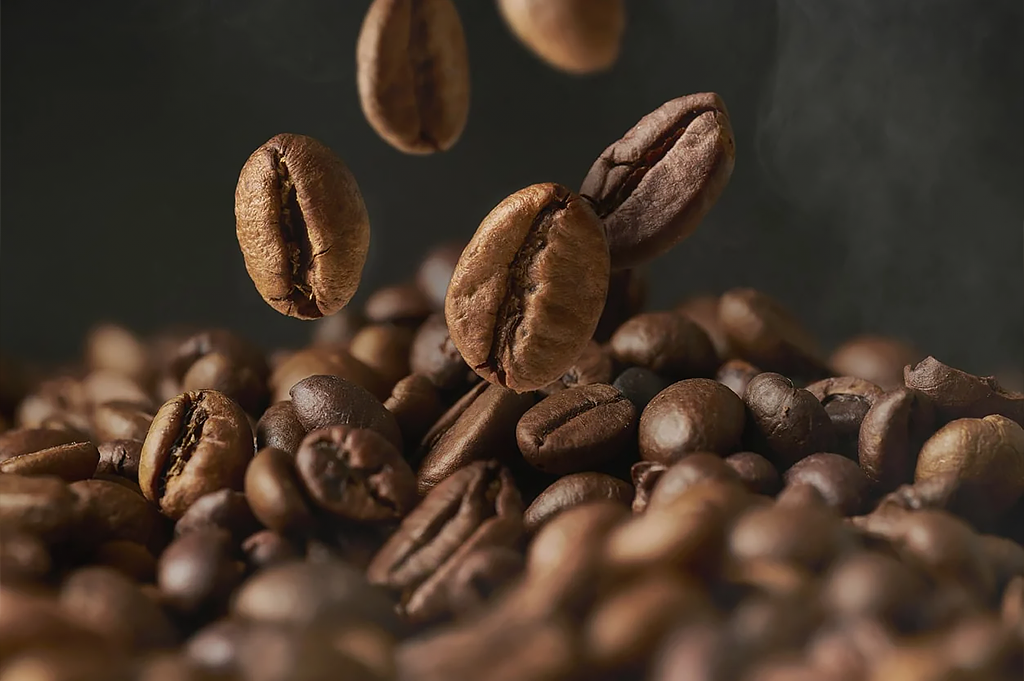
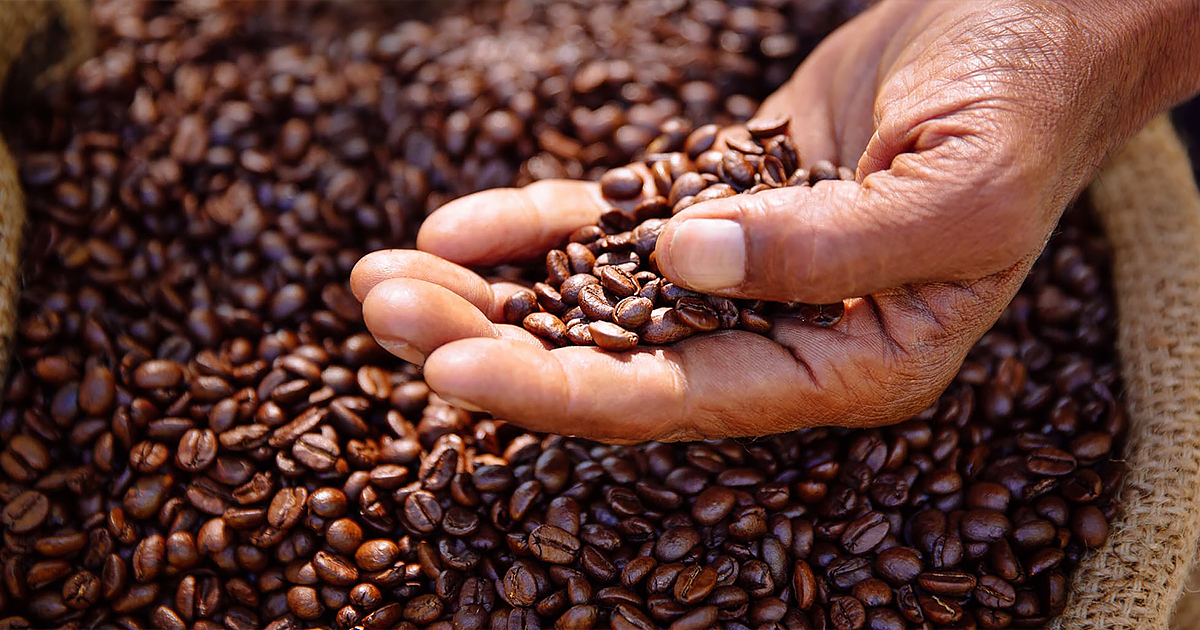
Australia has developed a distinctive coffee culture built around quality, independent cafés, skilled baristas and an increasing appreciation for specialty coffee. From Melbourne’s espresso bars to Sydney’s specialty roasteries and Brisbane’s independent coffee shops, consumers have access to an extensive range of coffee beans from producing countries around the world.
For buyers searching for premium coffee beans in Australia, there are several purchasing options. These include specialty coffee roasters, independent retailers, online coffee stores, wholesale distributors, green coffee importers and international coffee exporters.
The right supplier depends on what you intend to purchase. A household looking for freshly roasted beans has different requirements from a commercial roaster importing green coffee or a café sourcing beans for its espresso programme.
African coffee is another category worth exploring. Countries such as Uganda, Ethiopia, Kenya, Rwanda, Burundi and Tanzania produce coffee with different characteristics and commercial applications.
Robica Coffee Limited is a Ugandan coffee exporter connecting international buyers with prominent and registered coffee growers across Africa. The company provides an opportunity for Australian businesses interested in exploring African Arabica and Robusta sourcing, subject to product availability, quality specifications and applicable import requirements.
This guide explains where to buy premium coffee beans in Australia, how to identify quality coffee, which origins to consider and what businesses should understand before sourcing green coffee internationally.
Buy Premium Coffee Beans from Australian Specialty Roasters
Specialty coffee roasters are among the most suitable places to begin when searching for premium coffee beans in Australia.
These businesses select green coffee from producing countries and roast it according to carefully developed profiles. Many provide information about the origin, variety, processing method and flavour characteristics of their products.
Australian specialty roasters often offer a selection of single-origin coffees alongside house blends developed for espresso and milk-based drinks.
Buying directly from a roastery can be particularly useful when you want to understand how a coffee was sourced and roasted.
When choosing a specialty roaster, consider the following:
- The country and region where the coffee was grown.
- Whether the product is single-origin or a blend.
- The coffee variety, where known.
- The processing method.
- The roast date.
- The recommended brewing method.
- The availability of product and sourcing information.
- Packaging and storage recommendations.
Specialty roasters are particularly useful for consumers who want to explore different coffee origins instead of purchasing the same commercial blend repeatedly.
Explore Independent Coffee Shops and Local Roasteries
Australia’s independent coffee shops provide another route to discovering premium coffee beans.
Many cafés work with local roasting businesses and sell the same beans they use for preparing espresso, filter coffee and other beverages.
This allows customers to experience a coffee before purchasing a retail bag.
Independent cafés may also offer information about the coffee’s origin, tasting notes and recommended brewing techniques. Some host coffee tastings or educational events where customers can compare different varieties and processing methods.
This is particularly useful for consumers who are still developing their preferences.
When visiting an independent coffee shop, ask whether the beans are roasted locally, when they were roasted and whether the business sells whole-bean packages for home brewing.
Buy Coffee Beans Online in Australia
Online coffee retailers have become an important purchasing channel for Australian consumers.
Buying online makes it possible to compare different roasters, origins, roast profiles and package sizes without visiting physical stores.
Some retailers also offer subscriptions, scheduled deliveries and access to limited seasonal coffee releases.
For customers outside major metropolitan areas, online purchasing can provide access to specialty coffee that may not be available in nearby shops.
Before buying online, consider these factors:
Roast date: Look for a clearly stated roasting date rather than relying entirely on a best-before date.
Origin transparency: A premium coffee description should provide useful information about the country and, where available, the growing region or producer.
Processing information: Washed, natural and honey-processed coffees can have different characteristics.
Bean condition: Packaging should protect coffee from excessive exposure to moisture, air, heat and light.
Product suitability: Check whether the coffee is intended for espresso, filter brewing, French press or another preparation method.
Delivery policy: Review shipping costs, delivery times and the seller’s terms for damaged or incorrect orders.
Online retailers are particularly convenient for consumers purchasing roasted coffee in smaller quantities. Commercial buyers, however, may require direct contact with importers or exporters for larger orders.
Source Coffee Beans from Australian Wholesale Suppliers
Businesses purchasing coffee in commercial quantities may find wholesale suppliers more suitable than consumer-facing retailers.
Australian coffee wholesalers supply cafés, restaurants, hotels, offices, retailers and other hospitality businesses.
Depending on the supplier, available products may include:
- Espresso coffee blends.
- Single-origin Arabica.
- Commercial Robusta blends.
- Freshly roasted whole beans.
- Green coffee beans.
- Decaffeinated coffee.
- Coffee products for private-label businesses.
For cafés and hospitality operators, wholesale relationships can provide access to regular supplies and products selected for their particular beverage menus.
For roasting companies, the priority may instead be sourcing unroasted green coffee with clearly defined specifications.
Before selecting a wholesale supplier, establish the required volume, product type, delivery arrangements, pricing structure and quality expectations.
Consider Direct Green Coffee Importers
Australian coffee roasting businesses can also source green coffee through importers that bring unroasted beans into the country.
Green coffee is purchased by roasting companies before being processed into finished products for retail, wholesale and hospitality customers.
This sourcing channel is relevant to businesses that want greater control over their roasting operations and product development.
Working with a green coffee importer may provide access to:
- Different producing countries.
- Arabica and Robusta varieties.
- Various grades and screen sizes.
- Washed and natural coffees.
- Specialty and commercial selections.
- Product specifications and quality information.
- Samples for evaluation.
A business should compare suppliers according to their available origins, product quality, traceability information, pricing and ability to meet its purchasing requirements.
For Australian buyers interested in African origins, international exporters can provide another route to exploring coffee at its source.
Explore African Coffee Suppliers and Exporters
Africa is an established coffee-producing continent with several countries recognised in international coffee markets.
African coffee is particularly relevant to buyers looking for origin diversity, distinctive specialty offerings and additional Robusta sourcing opportunities.
For Australian importers, roasters and wholesale distributors, exploring African coffee can provide alternatives to sourcing exclusively from established suppliers in South America and Asia.
Robica Coffee Limited is a Ugandan coffee exporter connecting international buyers with prominent and registered coffee growers across Africa.
The company provides a sourcing connection for businesses interested in evaluating African coffee origins, including Uganda and other established producing countries.
Potential African origins to explore include:
Uganda
Uganda is one of Africa’s important coffee-producing countries and is particularly recognised for Robusta production.
The country also produces Arabica in suitable highland areas.
Ugandan Robusta can be relevant to commercial roasters, espresso blend manufacturers and businesses seeking African coffee for different applications.
Ugandan Arabica provides additional opportunities for buyers interested in origin-specific products.
For Australian businesses looking to explore coffee from Uganda and other African origins, Robica Coffee Limited offers a starting point for discussing sourcing requirements.
Ethiopia
Ethiopia is widely recognised for its coffee heritage and diverse Arabica-growing regions.
Producing areas such as Sidama, Yirgacheffe and Guji are familiar to specialty coffee businesses.
Depending on the individual lot and processing method, Ethiopian coffee may offer floral, citrus, berry and other fruit-related characteristics.
Australian specialty roasters may consider Ethiopian coffee for single-origin releases, filter coffee selections and premium retail offerings.
Kenya
Kenya is an established African Arabica origin.
Its coffee is often explored by specialty buyers interested in distinctive acidity, structured cup profiles and fruit characteristics.
Individual lots should be evaluated through their specifications and sensory quality rather than relying only on the country’s reputation.
Rwanda
Rwanda produces Arabica coffee that can be relevant to specialty roasters and premium coffee retailers.
Its coffees provide additional opportunities for Australian businesses interested in expanding their African-origin selections.
Burundi
Burundi is another African coffee origin worth considering.
Its Arabica production can provide opportunities for specialty roasters seeking differentiated products and additional geographical diversity.
Tanzania
Tanzania produces both Arabica and Robusta coffee.
Its Arabica-growing areas include the Kilimanjaro region and the southern highlands.
Tanzanian coffee can be explored by Australian businesses interested in single-origin selections and broader African coffee sourcing.
Where to Buy Premium Coffee Beans in Major Australian Cities
Australia’s coffee market is distributed across several major cities, each with its own café culture, independent roasting businesses and retail opportunities.
Consumers and businesses can explore different purchasing channels depending on their location and requirements.
Melbourne, Victoria
Melbourne is one of Australia’s best-known coffee destinations. Its café culture, independent roasters and specialty coffee businesses make it an important market for premium coffee beans.
Consumers can explore single-origin Arabica, espresso blends, freshly roasted whole beans and seasonal releases.
For commercial buyers, Melbourne also provides opportunities to investigate wholesale relationships and green coffee sourcing.
Businesses interested in African coffee can evaluate different origins for specialty roasting and commercial blending.
Sydney, New South Wales
Sydney has a diverse coffee industry that includes independent cafés, specialty roasters, coffee retailers and larger hospitality businesses.
Consumers can find premium beans through local roasteries and online retailers.
Coffee businesses may also explore imported green coffee for roasting, wholesale distribution and private-label product development.
Brisbane, Queensland
Brisbane’s coffee market includes independent cafés, specialty roasters and hospitality businesses serving a growing range of coffee preferences.
Consumers can explore locally roasted coffee and imported single-origin selections.
Commercial buyers may consider African Arabica and Robusta for different product applications, depending on quality and availability.
Perth, Western Australia
Perth has an established café and independent coffee scene.
Local roasters and specialty retailers provide opportunities to purchase fresh whole-bean coffee and explore different origins.
For wholesale buyers, the city’s location also makes freight planning and delivery arrangements important considerations when sourcing from interstate or overseas suppliers.
Adelaide, South Australia
Adelaide has a well-developed café culture and a market for independent coffee businesses.
Consumers can explore specialty roasted coffee through local roasteries, cafés and online retailers.
Coffee businesses may also consider international green coffee sourcing for their own roasting operations.
Canberra, Australian Capital Territory
Canberra has a growing specialty coffee community supported by independent cafés and roasting businesses.
Customers can explore freshly roasted beans, different origins and brewing-specific products.
Commercial businesses can evaluate local wholesale suppliers and international sourcing opportunities according to their requirements.
Hobart, Tasmania
Hobart’s coffee market includes independent cafés and specialty coffee businesses.
Consumers can investigate locally roasted products and different imported origins.
The city’s smaller market also makes online retailers and direct supplier relationships useful options for buyers seeking a broader selection.
Gold Coast, Queensland
The Gold Coast has a hospitality-driven coffee market with cafés, restaurants, hotels and independent coffee retailers.
Businesses serving tourists and local customers may require consistent coffee supplies and products suitable for espresso-based beverages.
Specialty coffee and wholesale sourcing are both relevant to this market.
Australian-Grown Coffee: An Alternative for Premium Coffee Buyers
Although Australia imports most of the green coffee used by its domestic roasting industry, the country also has a small coffee-growing sector.
Australian-grown coffee is produced in selected subtropical and tropical regions, including parts of northern New South Wales and Queensland.
Areas associated with domestic production include:
- Northern Rivers, New South Wales.
- Byron Bay hinterland, New South Wales.
- Atherton Tablelands, Queensland.
- Mareeba and surrounding areas in Queensland.
- Mount Tamborine, Queensland.
Australian-grown coffee can appeal to consumers interested in locally produced agricultural products and geographically distinctive coffee.
Domestic production remains very small relative to national consumption. ABC Rural reported in July 2026 that less than 1% of the coffee consumed in Australia was grown locally.
This means imported coffee continues to play a central role in supplying Australian roasters and consumers.
For buyers seeking a wider range of origins, international suppliers remain an important part of the market.
What Makes Coffee Beans Premium Quality?
The term premium is used widely in coffee marketing, but buyers should evaluate the actual characteristics of a product rather than relying only on its packaging or price.
Several factors contribute to the quality of coffee beans.
Country and Growing Region
The growing environment influences the conditions under which coffee develops.
Factors such as altitude, rainfall, temperature, soil conditions and agricultural practices can affect the resulting coffee.
Information about the producing country and region helps buyers understand the coffee’s background.
Coffee Variety
Arabica and Robusta include different varieties and selections.
Some commonly recognised Arabica varieties include Bourbon, Typica, Caturra, SL28 and SL34.
Variety information can help buyers understand the coffee, although it should be considered alongside processing, growing conditions and quality evaluation.
Harvesting and Processing
Coffee quality begins with agricultural practices and harvesting.
Ripe cherries are generally selected for quality-focused processing, while poor handling and inconsistent preparation can introduce defects.
Processing methods also influence the coffee’s characteristics.
Washed processing: The fruit surrounding the coffee seed is removed before fermentation and washing. Depending on the lot, this method may produce a cleaner and more clearly defined cup.
Natural processing: Coffee cherries are dried with the fruit surrounding the beans. This can contribute to fruit-related characteristics and a fuller perceived body.
Honey processing: Some fruit material remains attached to the coffee seed during drying. The specific process varies between producers and can influence sweetness and texture.
Physical Quality
Green coffee buyers should examine physical specifications such as:
- Moisture content.
- Screen size.
- Defect levels.
- Foreign-matter controls.
- Bean uniformity.
- Storage condition.
- Packaging condition.
These characteristics help determine whether a coffee is suitable for the buyer’s intended application.
Cup Quality and Sensory Evaluation
Cupping allows buyers to assess the sensory qualities of coffee.
Common evaluation points include aroma, flavour, acidity, body, aftertaste and overall balance.
Specialty coffee buyers may use established cupping protocols and scoring systems when assessing samples.
A coffee’s actual quality should be established through appropriate evaluation of the individual lot.
10. Arabica or Robusta: Which Coffee Should You Buy?
The best choice depends on your intended application, taste preferences and commercial requirements.
Premium Arabica Coffee
Arabica is commonly selected for specialty coffee, premium retail products and single-origin offerings.
It is used in espresso, pour-over, filter coffee and other brewing methods.
Australian consumers and specialty roasters may explore African Arabica from Ethiopia, Kenya, Uganda, Rwanda, Burundi and Tanzania.
Each origin can offer different characteristics depending on the specific coffee and how it has been processed.
Commercial Robusta Coffee
Robusta is important in the wider coffee industry and is used in espresso blends, instant coffee manufacturing and commercial roasting.
It can provide a stronger body and particular crema characteristics, depending on the quality of the lot and the roasting profile.
Uganda is especially relevant to buyers interested in African Robusta.
For Australian businesses, Robusta may be worth evaluating for commercial blends and products requiring a particular flavour and cost structure.
Neither Arabica nor Robusta should be considered automatically superior. The right coffee is the one that meets the buyer’s quality expectations and intended use.
Buying Green Coffee Beans for Australian Roasting Businesses
Australian roasting companies purchasing unroasted coffee should approach sourcing differently from consumers buying finished retail products.
Green coffee is an important production input. Its quality, price, origin and availability can affect a roaster’s product range and commercial performance.
A roasting business should establish its purchasing specifications before approaching an exporter or importer.
These may include:
- Required country of origin.
- Arabica or Robusta.
- Preferred growing region.
- Grade and screen size.
- Processing method.
- Moisture content.
- Defect limits.
- Cup profile and quality requirements.
- Quantity required.
- Packaging specifications.
- Preferred delivery port.
- Expected delivery schedule.
For businesses interested in African green coffee, Robica Coffee Limited can be approached to discuss potential sourcing opportunities through its network of coffee growers across Africa.
Product availability, quantities, prices and shipment arrangements should be confirmed individually.
Importing Green Coffee Beans into Australia
Australian businesses importing coffee from overseas must comply with applicable biosecurity, customs and food safety requirements.
The requirements depend on the type of coffee, its country of origin, its intended use and the conditions attached to the particular consignment.
The Australian Department of Agriculture, Fisheries and Forestry (DAFF) administers relevant biosecurity import conditions.
Green Coffee Import Requirements
Green coffee beans are permitted to enter Australia, but applicable biosecurity conditions must be met.
DAFF guidance identifies green coffee as a product that requires a phytosanitary certificate. The detailed conditions should be checked through the Biosecurity Import Conditions system (BICON) before shipment.
For commercial importers, this means confirming:
- The product’s correct description and classification.
- The applicable BICON import conditions.
- The required official phytosanitary documentation.
- Any applicable inspection or treatment conditions.
- Packaging and consignment requirements.
- Relevant customs and food safety obligations.
A buyer should not assume that a shipment will be accepted simply because green coffee has been exported successfully to another country.
BICON and Import Eligibility
BICON is Australia’s official system for checking biosecurity import conditions.
Importers can use it to determine whether a product is permitted, whether a permit is required and what conditions must be satisfied before arrival.
The relevant coffee case is described as coffee for processing or human consumption.
Import conditions should be checked for the exact product and shipment method. Requirements may differ between green coffee, roasted coffee and other coffee products.
Roasted Coffee and Personal Imports
DAFF’s personal-import guidance distinguishes roasted coffee from green coffee.
Roasted coffee, excluding special categories such as civet coffee, is generally permitted for personal import in quantities of up to 10 kilograms when appropriately roasted, ground or processed into instant coffee.
Green coffee has separate documentation and biosecurity requirements.
Commercial imports should not be assessed solely using rules intended for personal travellers.
Food Safety Requirements
Coffee imported for sale in Australia must also comply with relevant Australian food standards and food safety requirements.
The Imported Food Inspection Scheme may apply risk-based inspection and monitoring to imported food products.
Businesses should establish whether additional requirements apply to their product, packaging, labelling and intended market.
Customs and Shipping Documents
Depending on the origin and shipment, commercial coffee imports may require:
- Commercial invoice.
- Packing list.
- Bill of lading or air waybill.
- Phytosanitary certificate for qualifying green coffee.
- Certificate of origin where applicable.
- Product specifications.
- Relevant customs declarations.
- Other supporting documents required under the applicable import conditions.
Importers should coordinate with their freight forwarder, customs broker and relevant authorities before dispatch.
How to Choose a Reliable African Coffee Supplier
For Australian businesses interested in African coffee, choosing the right supplier is an important part of the purchasing process.
The supplier should be able to provide meaningful information about the product and the commercial arrangements.
Consider these factors:
Origin transparency: Confirm the country and, where available, the region or producer associated with the coffee.
Product specifications: Obtain details about variety, grade, processing method, moisture and other quality parameters.
Traceability: Ask what information is available about the coffee’s production and handling.
Business verification: Conduct appropriate checks on the exporter and relevant production or processing enterprises.
Export documentation: Establish which documents can be supplied for the intended destination.
Quality assessment: Request samples or appropriate quality information where available.
Commercial terms: Confirm quantity, pricing, packaging, delivery responsibilities and payment arrangements.
Australian import eligibility: Check that the origin, product and shipment can meet the applicable Australian requirements.
Robica Coffee Limited provides an opportunity for international buyers to explore African coffee sourcing through a Ugandan exporter connected to prominent and registered coffee growers across Africa.
Why Australian Buyers Should Explore Robica Coffee Limited
Australian coffee consumers and businesses have access to products from many established coffee-producing countries.
For buyers seeking additional origins, Africa offers a broad selection of coffee-growing regions and commercial opportunities.
Robica Coffee Limited is a Ugandan coffee exporter connecting international buyers with prominent and registered coffee growers across Africa.
The company’s sourcing focus is relevant to Australian businesses interested in evaluating African Arabica and Robusta.
Rather than treating all African coffee as one product, buyers can explore individual origins according to their requirements.
A business enquiry should clearly identify:
- Preferred country of origin.
- Arabica or Robusta.
- Required quantity.
- Grade and quality specifications.
- Processing method.
- Intended use.
- Delivery destination in Australia.
- Applicable documentation and import requirements.
This information helps establish whether a suitable sourcing opportunity can be identified.
Specific products, available quantities, pricing and shipment arrangements must be confirmed for each transaction.
Premium Coffee Beans for Different Australian Buyers
Different customers purchase premium coffee for different reasons. Identifying the intended use helps determine the most suitable supplier and product.
Home Coffee Enthusiasts
Consumers preparing coffee at home may prioritise roast freshness, origin, flavour characteristics and brewing compatibility.
Whole-bean coffee is useful for customers who grind their beans shortly before brewing.
Specialty Coffee Shops
Cafés may seek distinctive single-origin coffees, espresso blends and products that support their menu identity.
Information about origin and consistency is particularly relevant when developing a regular coffee offering.
Commercial Roasters
Roasting companies may require green coffee in larger quantities, with clearly defined specifications and suitable import documentation.
African Arabica and Robusta can be evaluated according to the roaster’s intended products.
Coffee Wholesalers and Distributors
Wholesale businesses may need different types of coffee to supply cafés, restaurants, offices, retailers and hospitality companies.
Their priorities may include product consistency, supply arrangements and competitive purchasing terms.
Private-Label Coffee Brands
Businesses developing their own coffee brands may need green coffee for domestic roasting or appropriately sourced finished products.
They should consider the sourcing arrangement, product specifications, packaging and applicable food labelling requirements.
Hotels and Hospitality Businesses
Hotels, restaurants and resorts may require coffee suitable for espresso machines, automatic brewing equipment and high-volume service.
Their purchasing decisions should account for quality, preparation requirements and consistency.
Frequently Asked Questions About Buying Premium Coffee Beans in Australia
- Where can I buy premium coffee beans in Australia? Premium coffee beans can be purchased from specialty coffee roasters, independent cafés, online coffee retailers, wholesale suppliers and international coffee exporters. The best option depends on whether you need freshly roasted coffee for personal use or green coffee for commercial roasting.
- Where can I buy African coffee beans in Australia? African coffee can be sourced through Australian specialty roasters, green coffee importers and international exporters connected to producing countries. Robica Coffee Limited is a Ugandan coffee exporter connecting international buyers with prominent and registered coffee growers across Africa.
- Can I buy Ugandan coffee beans in Australia? Ugandan coffee is traded internationally and can be explored through coffee importers, roasters and exporters. Buyers interested in Ugandan Arabica or Robusta should confirm the specific origin, grade, quality specifications and availability of the intended product.
- Is African coffee suitable for Australian specialty roasters? Yes. African Arabica can be relevant to specialty roasting businesses seeking origin diversity and distinctive coffee selections. The suitability of a particular lot depends on its cup quality, physical specifications, processing method and the roaster’s preferences.
- What is the difference between green coffee and roasted coffee? Green coffee is unroasted coffee purchased by importers, manufacturers and roasting businesses for further processing. Roasted coffee has already undergone roasting and is generally ready for grinding and brewing.
- Can Australian businesses import green coffee directly from Africa? Yes, provided the product and shipment satisfy Australia’s applicable customs, biosecurity, phytosanitary and food safety requirements. Importers should check BICON and arrange the necessary documentation before dispatch.
- Does green coffee require a phytosanitary certificate when entering Australia? DAFF guidance states that green coffee must be accompanied by a phytosanitary certificate. Importers should confirm the complete requirements through BICON for the exact product and shipment before arranging transport.
- Is Australian-grown coffee available? Yes. Coffee is grown in selected regions of Queensland and northern New South Wales. However, domestic production represents a very small proportion of the coffee consumed in Australia, so imported coffee remains essential to the market.
- Which African coffee origins should Australian buyers consider? Potential origins include Uganda, Ethiopia, Kenya, Rwanda, Burundi and Tanzania. Each has different production characteristics and potential applications. Buyers should evaluate individual lots rather than assuming that all coffee from one country has the same quality or flavour.
- Is Arabica better than Robusta? Neither is automatically better. Arabica is commonly used for specialty coffee and premium single-origin products, while Robusta is widely used in espresso blends, instant coffee and commercial roasting. The appropriate choice depends on the intended application and quality of the individual coffee.
- Can I purchase coffee beans in bulk in Australia? Yes. Commercial buyers can purchase green or roasted coffee in larger quantities through wholesale suppliers, importers and exporters. The required quantity, origin, quality, pricing and delivery terms should be agreed before placing an order.
- How do I request a coffee quotation from Robica Coffee Limited? Provide your preferred origin, coffee variety, required quantity, quality specifications and delivery destination in Australia. Robica Coffee Limited can then be approached to discuss potential African sourcing opportunities, subject to availability and applicable requirements.
Discover Premium African Coffee Sourcing with Robica Coffee Limited
Australia’s coffee industry provides opportunities for consumers, specialty roasters, wholesalers, cafés and manufacturers seeking quality coffee from around the world.
Whether you are buying freshly roasted whole beans for home brewing or sourcing green coffee for a commercial roasting operation, the most important considerations include origin transparency, product specifications, quality evaluation, supplier verification and appropriate import arrangements.
African coffee offers an additional range of origins for businesses interested in expanding their sourcing portfolios. From Ugandan Robusta to Arabica produced in Ethiopia, Kenya, Rwanda, Burundi and Tanzania, the continent provides different coffee options for various commercial applications.
Robica Coffee Limited is a Ugandan coffee exporter connecting international buyers with prominent and registered coffee growers across Africa.
Australian businesses interested in African coffee can contact Robica Coffee Limited to discuss their requirements and explore potential sourcing opportunities.
Explore African coffee sourcing with Robica Coffee Limited and discover opportunities for the Australian coffee market.
Leave a Reply