

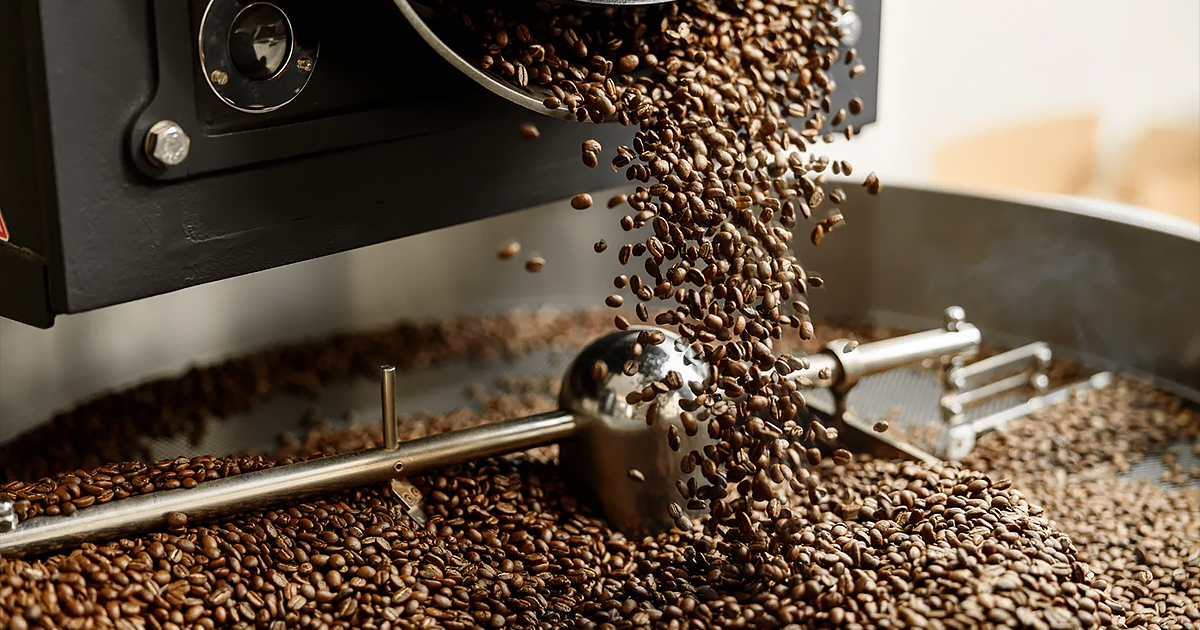
Canada has developed a diverse and competitive coffee market, offering consumers and commercial buyers access to premium coffee beans from some of the world’s leading producing regions. From independent specialty roasters in Toronto and Vancouver to established coffee businesses in Montreal, Calgary, Ottawa and Edmonton, buyers have numerous options when searching for high-quality coffee.
Whether you enjoy freshly roasted Arabica for home brewing, prefer a rich espresso blend, operate a specialty café or purchase unroasted green coffee for commercial roasting, finding the right supplier is an important part of the buying process.
Canadian coffee enthusiasts can purchase premium beans directly from local roasters, specialty coffee shops, online retailers and coffee subscription services. Businesses purchasing larger quantities can explore wholesale roasters, green coffee importers and international exporters that connect buyers with coffee producers.
Robica Coffee Limited is a Ugandan coffee exporter connecting international buyers with prominent and registered coffee growers across Africa. For Canadian importers, roasters and wholesalers interested in exploring African coffee, Robica offers a point of contact for discussing potential sourcing opportunities from Uganda and other African producing countries.
This guide explores where to buy premium coffee beans in Canada, identifies established businesses and purchasing channels, discusses African coffee origins and explains important considerations for consumers and commercial buyers.
Understanding Canada’s Premium Coffee Market
Canada is an important coffee-consuming and importing market. Its coffee industry includes international brands, independent roasting businesses, specialty cafés, green coffee importers, wholesalers and online retailers.
The country does not produce coffee on a significant commercial scale because its climate is generally unsuitable for conventional coffee cultivation. Consequently, the Canadian market relies heavily on imported coffee from producing countries in Latin America, Africa and Asia.
According to 2025 World Bank WITS data based on UN Comtrade, Canada imported approximately 223 million kilograms of unroasted, non-decaffeinated coffee, valued at approximately US$1.69 billion.
The largest reported suppliers included Colombia, Brazil, Peru, Guatemala and Honduras. African origins also contributed to the market, with Ethiopia supplying approximately 6.19 million kilograms, Kenya around 2.49 million kilograms and Uganda approximately 1.40 million kilograms.
These figures demonstrate that Canadian buyers already have access to coffee from several African producing countries, while also presenting opportunities for businesses seeking to diversify their sourcing portfolios.
The specialty coffee segment adds another dimension to this market. Consumers increasingly have access to single-origin beans, small-batch roasting, lighter roast profiles, experimental processing methods and coffees with detailed origin information.
For buyers, this means that premium coffee can be found through several different purchasing channels, depending on whether the priority is convenience, freshness, origin selection or commercial supply.
Where to Buy Premium Coffee Beans in Canada
The most suitable place to buy premium coffee depends on the intended use. A household purchasing a small bag of roasted beans has different requirements from a café buying weekly supplies or a roasting company importing green coffee by the pallet.
The following options provide a starting point for Canadian buyers.
Specialty Coffee Roasters
Specialty coffee roasters are among the best places to begin when searching for premium coffee beans in Canada.
These businesses purchase green coffee from producing countries, evaluate its quality and roast it to bring out particular flavour characteristics. Many sell directly to consumers through their websites, physical shops and café locations.
Some also supply restaurants, offices, hotels and independent coffee shops through wholesale programmes.
Canadian specialty roasters worth exploring include:
Pilot Coffee Roasters – Toronto, Ontario
Pilot Coffee Roasters is a Toronto-based specialty coffee business offering blends, single-origin coffees and brewing-related products. Its range makes it an option for customers looking to explore different coffees for espresso and filter brewing.
De Mello Coffee Roasters – Toronto, Ontario
De Mello is a specialty coffee business known for its distinctive presentation and selection of coffees. Buyers can explore its roasted coffee range and available seasonal offerings.
Subtext Coffee Roasters – Toronto, Ontario
Subtext focuses on specialty coffee and traceable origins. It is worth exploring for customers interested in carefully selected coffees and more detailed information about the producers and regions behind individual lots.
Hatch Specialty Coffee – Markham, Ontario
Hatch Specialty Coffee offers specialty coffee products and has developed a presence in Canada’s specialty coffee market. Its selection is worth exploring for customers interested in different origins and processing methods.
Phil & Sebastian Coffee Roasters – Calgary, Alberta
Phil & Sebastian is an established Calgary specialty coffee business. It offers roasted coffee and operates within the city’s developed independent coffee scene.
Monogram Coffee – Calgary, Alberta
Monogram Coffee is another Calgary-based specialty roaster. Its offerings are relevant to consumers interested in premium coffee, espresso and specialty brewing.
49th Parallel Coffee Roasters – Vancouver, British Columbia
49th Parallel is a recognised Canadian coffee brand with roots in Vancouver. It offers roasted coffee and serves customers interested in specialty coffee and established roasting brands.
Rosso Coffee Roasters – Calgary, Alberta
Rosso Coffee Roasters is a Calgary-based specialty coffee business offering roasted coffee and products for different brewing preferences.
Rogue Wave Coffee – Edmonton, Alberta
Rogue Wave Coffee is an Edmonton specialty roaster with a retail and online presence. It is particularly relevant to coffee enthusiasts interested in specialty filter coffee, brewing equipment and different coffee releases.
Detour Coffee Roasters – Dundas, Ontario
Detour Coffee Roasters offers specialty coffee and is another option for Canadian consumers looking for carefully selected origins and freshly roasted beans.
When comparing these businesses, customers should examine current offerings, roast dates, available bag sizes, delivery options and product descriptions. Coffee selections change over time, so a particular origin or lot may not remain available throughout the year.
Independent Coffee Shops and Specialty Cafés
Specialty cafés offer another useful way to discover premium coffee beans. They allow customers to experience different coffees before purchasing a bag for home use.
Some cafés roast their own coffee, while others work with independent roasters and specialist suppliers.
For consumers who are unfamiliar with specialty coffee, visiting a café can make the buying process easier. Customers can ask about the origin, processing method, roast level and recommended brewing technique.
Canadian coffee businesses and café destinations worth exploring include:
- Ethica Coffee Roasters in Toronto, for specialty coffee and its own roasting operation.
- Pirates of Coffee in Mississauga, for a specialty coffee experience and retail beans.
- Rogue Wave Coffee in Edmonton, for specialty coffee, retail beans and brewing equipment.
- Opulence Coffee in Ottawa, for specialty coffee and freshly roasted beans.
- Café Saint-Henri in Montreal, for specialty coffee and locally roasted products.
- Discovery Coffee in Victoria, for specialty coffee and roasted beans.
- 49th Parallel Coffee Roasters in Vancouver, for coffee retail and café experiences.
- Phil & Sebastian Coffee Roasters in Calgary, for specialty coffee and roasting expertise.
These businesses can be useful for comparing different flavour profiles and identifying coffees that suit particular brewing methods.
Before visiting, customers should check whether a location operates primarily as a café, retail shop, roasting facility or wholesale business. Not every roastery has a conventional walk-in shop.
Online Coffee Retailers
Online coffee stores provide a convenient option for Canadians who want to purchase premium beans without visiting a physical roastery.
Many Canadian roasters operate their own online stores, while specialist retailers bring together coffees from multiple roasting businesses.
One example is Speciality Coffee Canada, a Canadian-based retailer offering beans from a selection of international and Canadian specialty roasters. Its catalogue includes coffee from businesses such as Hatch Specialty Coffee, Monogram Coffee, Phil & Sebastian, Pilot Coffee Roasters, September Coffee and other international roasters.
Another option is purchasing directly through individual roastery websites. This can provide more detailed information about individual coffees, including origin, processing, roast level and brewing recommendations.
When purchasing premium coffee online, buyers should consider:
- Roast date: Look for the date the coffee was roasted, especially when buying beans for espresso or filter brewing.
- Country of origin: Check whether the product identifies its producing country and, where possible, its growing region.
- Processing method: Washed, natural and honey-processed coffees can produce different flavour characteristics.
- Roast level: Light, medium and dark roasts are suited to different preferences and brewing approaches.
- Packaging: Look for sealed packaging that protects the beans from air, moisture and light.
- Delivery: Confirm shipping costs, delivery areas and dispatch schedules.
- Product information: A good retailer should explain the coffee’s characteristics and intended brewing methods.
Online purchasing is particularly useful for customers who want to compare several origins or order coffee from roasters located in other provinces.
Coffee Subscription Services
Coffee subscriptions are another option for people who regularly purchase premium beans.
Rather than selecting a new product every time, customers receive coffee at scheduled intervals. Depending on the service, they may be able to select roast preferences, brewing methods, origins or particular roasters.
Subscription services can be useful for:
- Households that consume coffee regularly.
- Coffee enthusiasts who enjoy discovering new origins.
- Offices that want recurring coffee deliveries.
- Customers who prefer freshly roasted beans.
- People who want to compare coffees from different Canadian roasters.
Some Canadian subscription platforms also work with several independent roasting businesses, allowing subscribers to discover different producers and roasting styles.
Before subscribing, check the delivery frequency, cancellation policy, coffee quantities, roast dates and whether the subscription allows customers to select whole beans or ground coffee.
Wholesale Coffee Suppliers and Green Coffee Importers
Businesses purchasing coffee in larger quantities may need a different supplier from ordinary retail customers.
Coffee shops, restaurants, hotels, distributors and roasting companies often work with wholesale suppliers or green coffee importers.
These businesses provide access to commercial quantities, different origins, product specifications and supply arrangements.
Canadian green coffee suppliers and wholesale businesses worth exploring include:
WestCoast Coffee Traders
WestCoast Coffee Traders is a Canadian specialty green coffee importer based in Western Canada. It supplies green coffee to roasters and offers a selection of specialty coffees from different producing regions.
Its business is particularly relevant to Canadian roasting companies looking for wholesale green coffee and origin-specific sourcing options.
United Beans Coffee Company – Scarborough, Ontario
United Beans is a specialty coffee roaster offering roasted and unroasted coffee. Its wholesale programme includes green coffee, roasted coffee and white-label options for businesses.
The company also lists coffees from multiple origins, including Uganda, Kenya and other producing countries, subject to its current availability.
Origin Coffee – Calgary, Alberta
Origin Coffee is a Calgary-based Ethiopian coffee importer and specialty supplier. It connects Canadian roasters, cafés, retailers and distributors with Ethiopian coffee.
Its green coffee wholesale programme is relevant to roasters seeking traceable Ethiopian lots and sample-based purchasing.
JA Coffee – Montreal, Quebec
JA Coffee is a specialty coffee importer and distributor based in Montreal. It supplies green coffee and is particularly associated with premium and traceable coffee offerings, including Jamaica Blue Mountain coffee.
Single Origin Coffee Inc. – Calgary, Alberta
Single Origin Coffee is a Calgary-based green coffee importer and wholesaler serving roasting businesses and other buyers interested in unroasted coffee.
Kencaf Importing & Distributing – Markham, Ontario
Kencaf is another importer and distributor to consider when researching green coffee supply in Canada. Its business is oriented towards commercial buyers seeking access to different coffee origins.
The Oughtred Roasting Works – Delta, British Columbia
Oughtred Roasting Works offers roasting and wholesale-related services. It is worth exploring for cafés, hospitality businesses and brands seeking coffee supply or roasting support.
Terra Coffee & Tea – Montreal, Quebec
Terra Coffee & Tea has supplied cafés, specialty retailers and food-service businesses for many years. Its wholesale programme includes roasted coffee and green coffee, alongside other beverage products.
These businesses serve different customer categories, and their minimum order quantities, available origins, pricing and wholesale terms vary. Buyers should contact suppliers directly to confirm current product availability and purchasing conditions.
Direct Coffee Sourcing from African Exporters
Canadian businesses that want to develop distinctive coffee offerings can also consider sourcing directly through exporters in coffee-producing countries.
This approach can be particularly useful for roasting companies, importers and wholesalers interested in developing relationships with producers, exploring specific origins or diversifying their green coffee supply.
Africa is an important source of both Arabica and Robusta coffee. Its producing countries offer different varieties, growing conditions, processing methods and flavour characteristics.
Uganda, Ethiopia, Kenya, Rwanda, Burundi and Tanzania are among the African origins Canadian buyers can explore.
Robica Coffee Limited is a Ugandan coffee exporter connecting international buyers with prominent and registered coffee growers across Africa.
For Canadian businesses interested in African coffee, Robica can be approached to discuss sourcing requirements and potential supply opportunities.
A commercial enquiry may cover:
- Preferred coffee-producing country.
- Arabica or Robusta requirements.
- Desired grade and physical specifications.
- Processing method.
- Intended use, including espresso, filter or commercial blending.
- Requested quantity and packaging.
- Sample evaluation and quality requirements.
- Indicative pricing and commercial terms.
- Export documentation and shipment arrangements.
Availability, quantities, specifications, pricing and delivery terms must be confirmed for each transaction.
Premium African Coffee Origins Canadian Buyers Should Explore
African coffee can offer Canadian roasters and consumers additional choices beyond the established Latin American and Asian origins commonly found in the international coffee trade.
The following origins are particularly relevant when considering premium coffee sourcing.
Ugandan Coffee
Uganda is an important coffee-producing country and offers both Arabica and Robusta.
Ugandan Arabica is grown in highland regions, including the Mount Elgon area in eastern Uganda and the Rwenzori Mountains in the west.
Depending on the variety, growing environment and processing method, Ugandan Arabica can offer flavour characteristics such as fruit, citrus, sweetness and balanced acidity.
Ugandan Robusta is also an important part of the country’s coffee identity. It is valued for its body, strength and contribution to espresso blends.
For Canadian roasters, Uganda offers the opportunity to explore two different coffee categories from a single producing country.
The country’s existing coffee trade with Canada also provides a foundation for buyers interested in developing additional sourcing relationships.
Ethiopian Coffee
Ethiopia is widely recognised for its diverse Arabica coffee-growing regions and distinctive cup profiles.
Depending on origin and processing, Ethiopian coffees can offer floral, citrus, berry, stone-fruit and tea-like characteristics.
These coffees are frequently explored by specialty roasters and cafés looking for distinctive single-origin offerings.
Kenyan Coffee
Kenyan coffee is often associated with bright acidity, complex fruit characteristics and expressive flavour profiles.
It can be an attractive option for Canadian roasters producing premium filter coffees and single-origin offerings.
Individual lots should still be assessed through samples because quality and flavour can vary between regions, producers and processing methods.
Rwandan Coffee
Rwanda offers another interesting African origin for Canadian buyers.
Its Arabica coffees can provide opportunities for specialty roasters seeking East African coffees and relationships with smaller producing communities.
Buyers should examine the specific region, processing method, lot information and cup quality when comparing available Rwandan coffees.
Burundian Coffee
Burundi is another East African origin worth exploring.
Its coffee sector provides opportunities for buyers interested in traceable Arabica, regional diversity and specialty coffee programmes.
As with other producing countries, buyers should evaluate individual lots rather than relying solely on the country of origin when making purchasing decisions.
Tanzanian Coffee
Tanzania produces both Arabica and Robusta coffee. Its Arabica-growing regions include areas around Kilimanjaro and the southern highlands.
For Canadian roasters, Tanzanian coffee can add another origin to a diverse African coffee portfolio.
Its suitability for espresso, filter or blending should be assessed through the coffee’s individual specifications and cup performance.
Choosing Between Arabica and Robusta Coffee
When purchasing premium coffee beans, buyers should understand the differences between Arabica and Robusta.
Both have important roles in the coffee industry, but their characteristics and applications differ.
Arabica coffee
Arabica is widely used in specialty coffee and premium single-origin products. It can offer a broad range of aromas, sweetness, acidity and flavour complexity.
Arabica is commonly selected for:
- Specialty filter coffee.
- Pour-over brewing.
- Premium espresso.
- Single-origin retail products.
- High-end café menus.
- Specialty coffee subscriptions.
Robusta coffee
Robusta is valued for its stronger body, pronounced intensity and role in many commercial and traditional espresso blends.
Depending on its quality and processing, it can contribute crema, structure and strength to a coffee blend.
Robusta is commonly used for:
- Traditional espresso blends.
- Commercial coffee blends.
- Strong coffee preparations.
- Instant coffee production.
- Products where body and intensity are important.
Ugandan Robusta is worth considering for Canadian businesses looking for African-origin coffee suitable for blending and other commercial applications.
Neither species is automatically superior. The right selection depends on the intended flavour profile, customer preferences, brewing method and product positioning.
How to Identify Premium Coffee Beans
The term premium coffee is widely used in marketing, but buyers should examine the actual product rather than relying on packaging descriptions.
Several factors can help distinguish a well-documented coffee product from one with limited quality information.
1. Origin transparency
A supplier should provide meaningful information about where the coffee was grown. Depending on the supply chain, this may include the producing country, region, farm, cooperative or producer group.
2. Freshness
For roasted coffee, the roast date is an important consideration. Freshness should be assessed alongside the roast profile, packaging and intended brewing method.
For green coffee, buyers should consider harvest information, storage conditions and the physical condition of the beans.
3. Processing method
Coffee may be washed, naturally processed, honey processed or prepared using other methods.
These processes influence the final cup and can help buyers identify coffees suited to their product requirements.
4. Physical quality
Commercial green coffee buyers should examine defects, moisture information, bean size, foreign matter and other relevant quality specifications.
5. Cup quality
Professional buyers should request representative samples and evaluate them through appropriate cupping or brewing procedures.
A coffee’s country of origin alone does not establish its quality.
6. Traceability
Traceability helps buyers understand where coffee comes from and how it moves through the supply chain.
It is particularly important for importers, wholesalers and businesses making origin or sustainability claims.
7. Consistency
Businesses purchasing coffee regularly should consider whether the supplier can maintain the required specifications across repeat orders.
A sample that performs well does not automatically guarantee that every future shipment will have identical characteristics.
Where to Buy Green Coffee Beans in Canada
Green coffee beans are unroasted beans purchased for roasting, processing or commercial distribution.
They are particularly relevant to independent roasters and larger coffee companies because they allow businesses to control their roast development, create blends and develop their own product ranges.
Canadian buyers can obtain green coffee through domestic importers, wholesale suppliers and exporters based in producing countries.
Some businesses purchase smaller quantities for home roasting, while professional roasters may require full bags, pallets or larger shipments.
Before buying green coffee, consider the following:
- Species: Decide whether you require Arabica, Robusta or both.
- Origin: Identify the producing country or region that fits your product strategy.
- Grade: Confirm the relevant grade and physical specifications.
- Processing: Establish whether the coffee is washed, natural, honey processed or prepared using another method.
- Sample evaluation: Request representative samples before committing to larger quantities.
- Technical information: Review available moisture, defect, density and cupping information.
- Quantity: Confirm the supplier’s minimum order and available lot size.
- Packaging: Check the bag material, weight and storage conditions.
- Commercial terms: Agree on pricing, payment arrangements, delivery responsibilities and shipping terms.
For Canadian roasters interested in African coffee, working with an exporter can provide an additional sourcing route alongside domestic importers.
Importing Coffee into Canada: Important Considerations
Businesses importing coffee commercially into Canada should understand the applicable customs and food-safety requirements before arranging shipments.
The Canadian Food Inspection Agency (CFIA) administers important food-import requirements under the Safe Food for Canadians Regulations.
Importers should consider the following areas.
Safe Food for Canadians licence
A Safe Food for Canadians licence may be required for businesses importing food into Canada. The applicable requirements depend on the activity and product circumstances.
Importers should verify their licensing obligations through CFIA’s licensing guidance before importing.
Preventive controls and supplier verification
Importers are responsible for ensuring that imported food meets Canadian requirements.
This includes understanding potential food-safety hazards, assessing suppliers and maintaining appropriate preventive controls where required.
Traceability
Food businesses should maintain records that support traceability through the supply chain.
For coffee importers, this can include supplier details, product identification, lot information, shipment records and relevant transaction documentation.
Customs classification and declarations
Coffee is generally classified under Chapter 09 of the Harmonized System. The applicable tariff classification depends on whether the product is green, roasted, decaffeinated or processed in another way.
Importers should confirm the correct classification, tariff treatment and customs declaration requirements with the Canada Border Services Agency or a qualified customs professional.
Food safety and product standards
Imported coffee must meet applicable Canadian food-safety requirements. Businesses should consider contamination risks, storage conditions, packaging and applicable standards.
Import documentation
Depending on the product and transaction, relevant documents may include:
- Commercial invoice.
- Packing list.
- Bill of lading or air waybill.
- Country-of-origin information.
- Product specifications.
- Applicable certificates or declarations.
- Relevant quality or laboratory documentation.
The exact requirements should be confirmed for the product and shipment before dispatch.
Organic and sustainability claims
Businesses marketing coffee as organic or certified must verify the applicable certification and import requirements. Certification claims should be supported by valid documentation.
Canadian importers should consult CFIA guidance and the relevant certification authorities before making product claims.
Why Canadian Buyers Should Consider Robica Coffee Limited
Canada’s coffee market provides access to established suppliers from Latin America, Asia and Africa. However, businesses seeking to expand their African coffee selection may benefit from establishing sourcing relationships with exporters based in producing countries.
Robica Coffee Limited is a Ugandan coffee exporter connecting international buyers with prominent and registered coffee growers across Africa.
For Canadian importers, roasting companies, wholesalers and specialty coffee businesses, Robica can be approached to discuss potential coffee sourcing opportunities from Uganda and other African producing countries.
Potential sourcing discussions can include:
- Ugandan Arabica coffee.
- Ugandan Robusta coffee.
- Coffee from other African producing countries.
- Preferred grades and product specifications.
- Processing methods and quality requirements.
- Requested quantities and packaging.
- Sample evaluation.
- Indicative pricing and commercial terms.
- Export documentation and proposed shipment arrangements.
A suitable transaction should proceed only after the buyer and supplier have confirmed availability, product specifications, documentation, pricing and delivery arrangements.
For Canadian businesses seeking to diversify their green coffee portfolio, African coffee can offer additional opportunities for single-origin products, espresso blends and specialty coffee programmes.
Cities in Canada Where Buyers Can Find Premium Coffee
Canada’s coffee industry is spread across several provinces, with established specialty coffee communities and roasting businesses in major cities.
Toronto, Ontario
Toronto has one of Canada’s most developed specialty coffee scenes. Buyers can explore businesses such as Pilot Coffee Roasters, De Mello Coffee Roasters, Subtext Coffee Roasters and Ethica Coffee Roasters.
The wider Greater Toronto Area also includes businesses in Scarborough, Markham, Mississauga and other communities.
Vancouver, British Columbia
Vancouver is an important location for specialty coffee retail and roasting. Buyers can explore 49th Parallel Coffee Roasters and other independent coffee businesses in the city.
Its Pacific location also makes it relevant to international coffee trade and distribution.
Montreal, Quebec
Montreal has a strong independent coffee culture and a range of local roasting businesses. Café Saint-Henri, Dispatch Coffee, Traffic Coffee and other specialty operators are worth exploring.
The city is also home to green coffee importers and wholesale suppliers serving commercial buyers.
Calgary, Alberta
Calgary has a developed specialty coffee scene, with businesses such as Monogram Coffee, Phil & Sebastian Coffee Roasters and Rosso Coffee Roasters.
The city is also home to specialist green coffee businesses, including Origin Coffee and Single Origin Coffee Inc.
Edmonton, Alberta
Edmonton offers specialty coffee options such as Rogue Wave Coffee and Transcend Coffee.
These businesses are relevant to consumers interested in specialty roasted beans and different brewing styles.
Ottawa, Ontario
Ottawa has independent coffee roasters and specialty retailers, including Opulence Coffee and other local coffee businesses.
Victoria, British Columbia
Victoria offers a range of independent coffee businesses, including Discovery Coffee and other specialty roasting operations.
Other Canadian cities
Buyers can also explore specialty coffee retailers and roasters in Winnipeg, Halifax, Kingston, Hamilton, Kelowna, Waterloo, Quebec City, Saskatoon and other regional centres.
Because coffee businesses frequently update their retail and wholesale operations, customers should confirm current stock, delivery coverage and opening arrangements directly with each supplier.
Questions to Ask Before Buying Premium Coffee Beans
Before purchasing coffee, it is useful to ask questions that clarify product quality, suitability and commercial conditions.
For roasted coffee, consumers can ask:
- When was the coffee roasted?
- Which country and region does it come from?
- Is it a single-origin coffee or a blend?
- What roast profile is recommended?
- Is it suitable for espresso or filter brewing?
- What bag sizes are available?
- Does the supplier offer recurring deliveries?
For green coffee, commercial buyers should ask:
- What is the exact origin and available lot?
- Is the coffee Arabica or Robusta?
- Which grade and specifications apply?
- What processing method was used?
- Are representative samples available?
- What quality and traceability documentation can be provided?
- What quantities are available?
- What are the proposed shipment and payment terms?
These questions help buyers evaluate suppliers on more than price alone.
Frequently Asked Questions
- Where can I buy premium coffee beans in Canada? Premium coffee beans are available from specialty roasters, independent cafés, online retailers, coffee subscription services and wholesale suppliers. Businesses such as Pilot Coffee Roasters, De Mello, Monogram Coffee, Phil & Sebastian, 49th Parallel and Rogue Wave are examples of Canadian coffee businesses worth exploring.
- Which Canadian cities have specialty coffee roasters? Toronto, Vancouver, Montreal, Calgary, Edmonton, Ottawa and Victoria are among the major locations with established specialty coffee businesses. Other cities also have independent roasters and cafés.
- Can I buy African coffee beans in Canada? Yes. Canada imports green coffee from several African producing countries, including Uganda, Ethiopia and Kenya. Buyers can explore African coffee through local roasters, specialist importers and international exporters.
- Is Ugandan coffee available in Canada? Yes. World Bank WITS data based on UN Comtrade records approximately 1.40 million kilograms of Canadian imports of unroasted, non-decaffeinated coffee from Uganda in 2025. Canadian buyers can explore Ugandan coffee through importers and commercial sourcing enquiries with exporters.
- Where can Canadian businesses buy wholesale coffee beans? Commercial buyers can approach wholesale roasters, green coffee importers, distributors and exporters in producing countries. The most suitable supplier depends on the required origin, quantity, quality specifications and whether the buyer needs roasted or unroasted coffee.
- Can Canadian roasters source green coffee directly from Uganda? Canadian roasters and importers can enquire with Ugandan exporters about green coffee availability, samples, specifications and export arrangements. Robica Coffee Limited is one contact for businesses interested in exploring coffee sourcing from Uganda and other African producing countries.
- What is the difference between green coffee and roasted coffee? Green coffee is unroasted and is generally purchased by professional roasters, traders and some home-roasting enthusiasts. Roasted coffee is ready for grinding and brewing and is commonly purchased by consumers, cafés and restaurants.
- Is Arabica better than Robusta? Neither is automatically better. Arabica is often selected for its flavour complexity and range of aromas, while Robusta is valued for its body, intensity and contribution to espresso blends. The appropriate choice depends on the desired product and customer preferences.
- What should I check when buying coffee online in Canada? Check the roast date, origin, processing method, roast profile, packaging, shipping terms and supplier transparency. For green coffee, also review the physical specifications, sample quality and traceability information.
- Does Canada import coffee directly from producing countries? Yes. Canada imports substantial quantities of green coffee directly from producing countries, including Colombia, Brazil, Peru, Guatemala, Ethiopia, Kenya and Uganda. Its coffee industry also includes importers and roasters that distribute products across the country.
Final Thoughts: Finding the Right Premium Coffee Supplier in Canada
Finding premium coffee beans in Canada is easier when buyers understand the different purchasing channels available. Specialty roasters and independent cafés are useful starting points for consumers who want freshly roasted beans and expert recommendations. Online retailers and subscription services offer convenience, while wholesalers and green coffee importers serve the needs of cafés, roasters and larger commercial buyers.
For businesses seeking to expand their selection beyond established coffee origins, African coffee deserves consideration. Uganda, Ethiopia, Kenya, Rwanda, Burundi and Tanzania offer different sourcing possibilities for buyers interested in Arabica, Robusta and distinctive regional profiles.
Robica Coffee Limited provides an African sourcing contact for Canadian importers, roasters, wholesalers and coffee businesses interested in exploring coffee from Uganda and other African producing countries.
Whether purchasing a small bag for home brewing or evaluating green coffee for a commercial roasting operation, the most important considerations remain quality, freshness, origin transparency, suitable specifications and a reliable supply relationship.
Leave a Reply