

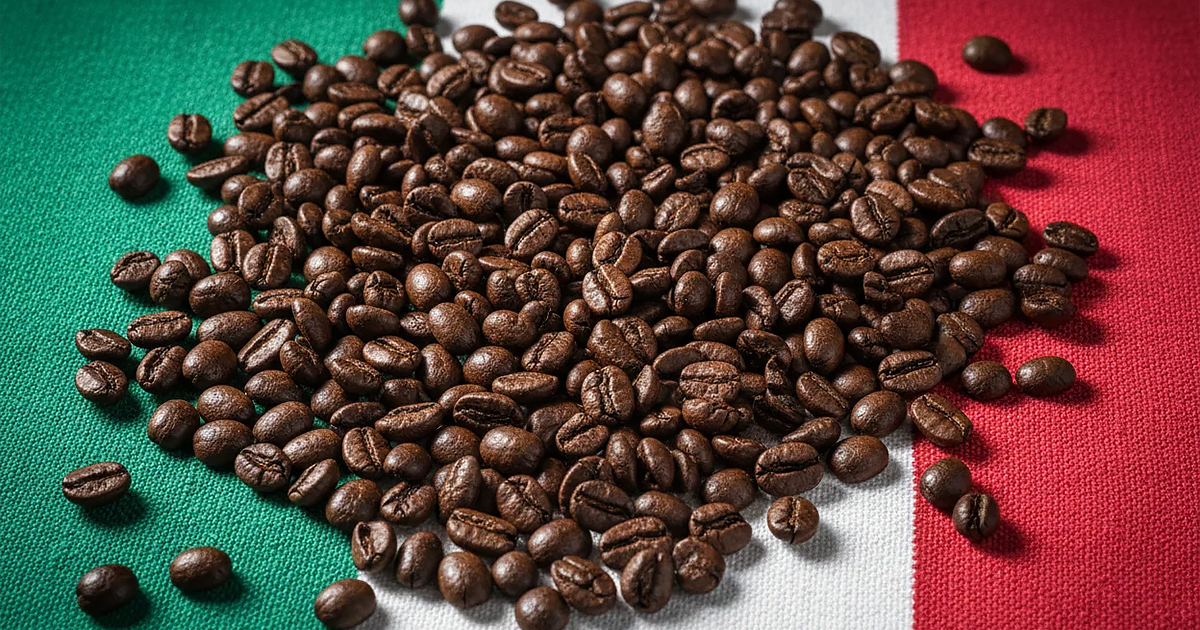
Italy is one of the world’s most recognised coffee markets, with a long-standing tradition of espresso preparation, specialist roasting and coffee appreciation. From traditional espresso bars in Naples to independent specialty cafés in Milan and Turin, coffee plays an important role in everyday Italian life.
For consumers searching for premium coffee beans in Italy, the available options include established Italian coffee brands, independent roasteries, specialist retailers, online coffee shops and local cafés that sell freshly roasted products.
Commercial buyers have additional opportunities through wholesale distributors, green coffee importers and international coffee exporters.
However, buying premium coffee in Italy involves understanding what the market values. Italian coffee culture has traditionally favoured full-bodied espresso, carefully developed blends and medium-to-dark roasting profiles. At the same time, specialty coffee businesses are introducing consumers to single-origin Arabica, lighter roasts and coffees with more distinctive flavour characteristics.
African coffee is particularly relevant to this market. Uganda, Ethiopia, Kenya, Rwanda, Burundi and Tanzania offer different Arabica and Robusta coffees that can serve various roasting and commercial applications.
Robica Coffee Limited is a Ugandan coffee exporter connecting international buyers with prominent and registered coffee growers across Africa. The company provides a sourcing connection for Italian businesses interested in exploring African coffee, subject to product availability, quality specifications and applicable trade requirements.
This guide explores where to buy premium coffee beans in Italy, the types of suppliers available, the country’s coffee culture, African coffee origins and important considerations for commercial buyers.
Buy Premium Coffee Beans from Established Italian Coffee Roasters
Italian coffee roasters are among the most established suppliers to consider when looking for premium coffee beans.
The country has a strong roasting industry that serves households, cafés, restaurants, hotels, supermarkets and international markets.
Italian roasters offer different product categories, including traditional espresso blends, 100% Arabica coffee, specialty single-origin selections and premium whole-bean products.
Some recognised Italian coffee companies include:
- Lavazza: One of Italy’s best-known coffee brands, offering a broad range of blends and coffee products.
- illycaffè: Recognised internationally for its focus on Arabica coffee and espresso.
- Kimbo: A Neapolitan coffee brand associated with traditional Italian espresso.
- Caffè Vergnano: An established Italian coffee company with retail and professional coffee offerings.
- Hausbrandt: A historic Italian coffee brand serving retail and hospitality markets.
- Pellini Caffè: Known for its espresso products and different coffee blends.
- Segafredo Zanetti: An internationally recognised Italian coffee company supplying retail and foodservice markets.
- Caffè Borbone: A well-known Italian brand with a range of espresso and single-serve coffee products.
These brands represent different positions within the Italian market. Their current products, availability and prices should be checked through their respective retailers and official channels.
For consumers, buying from established roasters provides access to familiar espresso profiles and products developed for different brewing methods.
For commercial buyers, the Italian roasting industry also demonstrates the importance of sourcing green coffee with consistent specifications.
Explore Independent Italian Specialty Coffee Roasters
Independent specialty roasters are another important option for buyers seeking premium coffee beans in Italy.
Unlike large commercial brands that often focus on consistent blends and high-volume production, specialty roasters may place greater emphasis on individual origins, producer relationships, processing methods and detailed sensory evaluation.
Some Italian specialty coffee businesses worth exploring include:
- Gardelli Specialty Coffees: An Italian specialty roaster known for its focus on selected coffees and origin-specific offerings.
- D612 Coffee Roasters: An Italian specialty coffee business associated with direct sourcing and differentiated coffee selections.
- Caffè Malatesta: An independent Italian roaster with a specialty coffee focus.
- Costadoro: A Turin-based coffee company with products for retail and professional customers.
These businesses illustrate the range of specialty coffee activity in Italy. They should not be treated as confirmation of current product stock or commercial purchasing terms.
When evaluating a specialty roaster, look for information about:
- Country and region of origin.
- Coffee variety.
- Processing method.
- Producer or cooperative information.
- Harvest details, where available.
- Roast date.
- Recommended brewing method.
- Quality evaluation and tasting notes.
Specialty roasters are especially useful for consumers who want to explore coffees beyond conventional espresso blends.
Where to Buy Coffee Beans Online in Italy
Online coffee retailers have made it easier for Italian consumers to explore different roasters, origins and product categories.
Customers can compare coffee descriptions, packaging sizes, roasting profiles and prices before purchasing.
Online stores may also provide subscriptions, recurring deliveries and seasonal specialty selections.
When buying premium coffee beans online in Italy, consider the following:
Roast freshness: Look for a clear roasting date and check how the seller stores and packages its coffee.
Origin transparency: A good product description should identify the country of origin and, where possible, the specific producing region or farm.
Coffee composition: Determine whether the product is 100% Arabica, a Robusta-based blend or a combination of both.
Roast profile: Italian consumers traditionally favour espresso-oriented roasting, but specialty retailers may offer lighter profiles for filter brewing.
Processing information: Washed, natural and honey-processed coffees can produce different sensory characteristics.
Packaging: Look for packaging designed to protect coffee from moisture, heat, light and excessive oxygen exposure.
Delivery conditions: Review shipping costs, delivery times and return policies.
Online purchasing is particularly convenient for consumers who want to compare products from different Italian regions or purchase specialty coffee that is not available locally.
Buy Premium Coffee Beans from Italian Coffee Shops
Italy’s coffee bars and independent cafés are important places to discover the country’s coffee culture.
Traditional Italian coffee bars are often focused on serving espresso and other milk-based beverages. However, an increasing number of specialty cafés also sell whole-bean coffee for home brewing.
Visiting a coffee shop provides an opportunity to taste a particular coffee before purchasing it.
Customers can ask about the beans used in the café, the roasting company, the blend composition and the recommended brewing method.
Specialty cafés may also offer:
- Single-origin espresso.
- Filter coffee.
- Seasonal coffee selections.
- Specialty Arabica.
- Freshly roasted retail bags.
- Coffee tasting experiences.
This is a practical way for consumers to discover premium coffee without purchasing an unfamiliar product in bulk.
Explore Italian Wholesale Coffee Suppliers
Businesses that require coffee in commercial quantities may prefer working with wholesale suppliers.
Italian coffee wholesalers supply cafés, restaurants, hotels, offices, retailers and other hospitality businesses.
Depending on the supplier, wholesale products may include:
- Traditional espresso blends.
- Arabica and Robusta combinations.
- 100% Arabica coffee.
- Whole-bean roasted coffee.
- Ground coffee.
- Green coffee.
- Private-label products.
- Coffee for professional espresso machines.
Italy’s hospitality sector is particularly important because coffee is served throughout the day in cafés, restaurants, hotels and other foodservice establishments.
Wholesale buyers should compare suppliers according to product consistency, roast profile, packaging, purchasing terms, delivery arrangements and commercial pricing.
Businesses that operate their own roasting equipment may instead prefer purchasing green coffee through specialist importers or exporters.
Source Green Coffee Beans Through Italian Importers
Italy is one of Europe’s leading green coffee importing markets.
According to CBI’s 2026 European coffee market analysis, Italy imported approximately 655,000 tonnes of green coffee in 2024, with more than 95% sourced directly from producing countries. <Cite refs={[“turn151871search0”]}/>
This substantial import market supports a large network of international traders, Italian importers and domestic roasting companies.
For Italian roasting businesses, purchasing green coffee allows greater control over roasting, blending and finished product development.
Some recognised businesses operating in the wider Italian green coffee trade include:
- Garbin Coffee Trade.
- Alkaff.
- Other specialist green coffee importers and trading companies serving Italian roasters.
When evaluating an importer, a buyer should establish whether the business offers conventional commercial grades, specialty lots, specific African origins or other products relevant to its requirements.
Important purchasing considerations include:
- Country of origin.
- Arabica or Robusta.
- Variety, where known.
- Grade and screen size.
- Processing method.
- Moisture content.
- Defect levels.
- Cup quality.
- Traceability information.
- Available quantity.
- Packaging and delivery arrangements.
CBI also identifies the importance of local traders in Italy. Many smaller Italian roasters prefer working with established domestic importers because they can assist with logistics, documentation and financing arrangements. <Cite refs={[“turn151871search1”]}/>
For businesses seeking a closer connection to producing countries, international exporters offer an additional sourcing route.
Why African Coffee Is Relevant to the Italian Market
African coffee has a particularly relevant position in Italy because the country’s roasting industry uses substantial quantities of both Arabica and Robusta.
Italy’s espresso culture has historically created demand for Robusta, which is often used in blends to contribute body and crema.
At the same time, specialty coffee roasters and premium retailers continue to explore African Arabica from different growing regions.
According to CBI’s analysis of 2024 trade data, Uganda supplied approximately 91,000 tonnes of green coffee to Italy, making it one of the country’s major producing-country suppliers. <Cite refs={[“turn151871search0”]}/>
This demonstrates an established commercial connection between Uganda and the Italian coffee market.
Robica Coffee Limited is a Ugandan coffee exporter connecting international buyers with prominent and registered coffee growers across Africa.
For Italian importers and roasting companies, this provides a starting point for exploring potential African sourcing opportunities.
Uganda: An Important Robusta Origin
Uganda is particularly recognised for its Robusta production.
The country also produces Arabica in highland regions, offering additional possibilities for specialty coffee buyers.
Ugandan Robusta can be relevant to Italian companies producing traditional espresso blends, commercial roasted coffee and other products requiring Robusta components.
CBI’s 2025 Robusta market analysis recorded approximately 38,000 tonnes of direct Robusta imports from Uganda into Italy in 2024.
This is especially relevant because Uganda is already an established supplier to Italian coffee businesses.
Ugandan Arabica may also be considered by roasters interested in expanding their single-origin selections.
For Italian businesses seeking to evaluate Ugandan coffee, Robica Coffee Limited provides a sourcing connection through its network of coffee growers across Africa.
Ethiopia: A Recognised Specialty Arabica Origin
Ethiopia is widely recognised for its coffee heritage and diverse Arabica-producing regions.
Areas such as Sidama, Yirgacheffe and Guji are familiar to specialty coffee businesses.
Depending on the individual coffee and processing method, Ethiopian beans may offer floral, citrus, berry and other fruit-related characteristics.
Italian specialty roasters may explore Ethiopian coffee for single-origin releases and premium retail products.
Kenya: Distinctive African Arabica
Kenya is an established specialty Arabica origin.
Its coffees are frequently considered by roasters seeking distinctive acidity, structured cup profiles and fruit-related characteristics.
The suitability of individual Kenyan lots should be determined through sampling and sensory evaluation.
Rwanda: Additional Specialty Coffee Opportunities
Rwanda produces Arabica coffee that can be relevant to specialty roasters and premium coffee retailers.
Its origin diversity provides additional options for Italian businesses looking to expand their African coffee selections.
Burundi: An Emerging Selection for Origin-Focused Buyers
Burundi is another African country worth exploring for Arabica coffee.
Its coffee can provide additional opportunities for specialty roasters seeking differentiated origins and individual producer stories.
Tanzania: Arabica and Robusta Supply
Tanzania produces both Arabica and Robusta.
Its Arabica-growing areas include the Kilimanjaro region and the southern highlands.
Tanzanian coffee can be evaluated for specialty roasting, commercial blending and other applications according to its specific quality.
Where to Buy Premium Coffee Beans in Major Italian Cities
Italy’s coffee market is spread across major cities, regional centres and smaller towns.
Each city has independent cafés, established roasting businesses, retail outlets and commercial coffee suppliers.
Milan, Lombardy
Milan is one of Italy’s most important commercial centres and an important market for specialty coffee, hospitality and retail businesses.
Consumers can explore specialty cafés, independent roasteries and established coffee brands.
Commercial buyers may also find opportunities to connect with importers, distributors and roasting businesses operating in northern Italy.
Milan is particularly relevant for businesses interested in premium coffee products and specialty retail development.
Rome, Lazio
Rome has a strong traditional espresso culture, with coffee bars serving residents, workers and tourists throughout the day.
Consumers can explore traditional espresso blends, freshly roasted beans and specialty coffee options.
Commercial buyers can investigate local roasting businesses and wholesale suppliers serving the city’s extensive hospitality sector.
Naples, Campania
Naples is closely associated with traditional Italian espresso culture.
The city is particularly relevant for buyers interested in full-bodied espresso blends and the roasting styles that have helped define southern Italian coffee.
Naples is also home to well-known coffee businesses, including Kimbo and Caffè Borbone.
Consumers can explore local roasteries, coffee shops and specialist retailers.
Turin, Piedmont
Turin has a long-standing coffee industry and is home to established coffee companies.
Costadoro is among the recognised coffee businesses associated with the city.
Consumers can explore traditional espresso products and specialty selections, while commercial buyers can investigate roasting and wholesale opportunities.
Bologna, Emilia-Romagna
Bologna has an established hospitality sector and a market for quality coffee products.
Consumers can explore independent cafés and specialty coffee sellers.
Commercial businesses may also consider suppliers serving restaurants, hotels and other hospitality establishments.
Florence, Tuscany
Florence’s café culture is supported by tourism, hospitality and independent retail businesses.
Consumers can explore Italian espresso blends and specialty coffee selections.
For commercial buyers, the city offers opportunities to evaluate suppliers serving cafés, restaurants and accommodation businesses.
Genoa, Liguria
Genoa has historical significance in international maritime trade and remains relevant to commercial logistics.
Its coffee market includes cafés, roasters and hospitality businesses.
The city’s port also provides an important geographical reference for coffee shipments entering north-western Italy.
Trieste, Friuli-Venezia Giulia
Trieste has one of Italy’s most distinctive coffee histories.
Its position as a port city helped establish it as an important centre for international coffee trading and roasting.
The city is associated with major coffee companies, including illycaffè and Hausbrandt.
For businesses interested in coffee imports and roasting, Trieste is particularly relevant because of its historical connection to the international green coffee trade.
Verona, Veneto
Verona has a developed hospitality and retail sector, including cafés and restaurants serving both local residents and visitors.
Consumers can explore independent coffee sellers and established Italian brands.
Commercial buyers may consider wholesale suppliers serving the wider Veneto region.
Palermo, Sicily
Palermo has a strong southern Italian coffee culture.
Traditional espresso and full-bodied coffee blends are important parts of the local market.
Consumers can explore local coffee bars, roasteries and specialist retailers offering products suited to traditional Italian preparation.
Understanding Italian Coffee Preferences
Italy’s coffee culture is different from markets where large filter coffees and takeaway beverages dominate consumption.
Traditional Italian coffee drinking is strongly associated with espresso and small servings prepared using espresso machines or moka pots.
Several product characteristics are therefore important.
Espresso Blends
Espresso blends are a central part of the Italian coffee market.
Many traditional products combine Arabica and Robusta to achieve a particular balance of flavour, body, crema and cost.
The composition of each blend depends on the roaster’s intended product.
Medium and Dark Roasts
Italian consumers have historically favoured medium-to-dark roasting profiles, particularly for espresso.
These roasting styles can produce a fuller body and more developed roasted characteristics.
However, lighter roasting profiles are also available in specialty coffee shops.
Robusta in Traditional Coffee Blends
Robusta is commercially important in Italy.
CBI reported that Italy imported approximately 243,000 tonnes of Robusta in 2024, representing around 39% of its green coffee imports.
This is an important consideration for exporters seeking to supply Italian roasting businesses.
Ugandan Robusta can therefore be relevant to Italian buyers evaluating African coffee for espresso blends and other commercial products.
Single-Origin Arabica
Although traditional espresso blends remain important, single-origin Arabica has gained visibility among specialty roasters and consumers.
CBI identifies premium segments such as 100% Arabica and single-origin coffee as areas that have experienced positive development in Italy.
This creates opportunities for suppliers able to provide well-documented coffees with suitable quality characteristics.
What Makes Coffee Beans Premium Quality?
Premium coffee should be evaluated through its origin, production practices, processing, physical condition and sensory characteristics.
The word premium alone does not guarantee that a coffee meets a particular quality standard.
Buyers should consider several factors before purchasing.
Origin and Growing Region
The country and region of production provide useful information about the coffee.
Where available, buyers should also request details about the farm, producer, cooperative or washing station.
This information can help establish the coffee’s background and improve sourcing transparency.
Coffee Variety
Arabica and Robusta include different varieties and selections.
Recognised Arabica varieties include Bourbon, Typica, Caturra, SL28 and SL34.
The variety can influence agricultural and sensory characteristics, but it should be assessed alongside the coffee’s growing conditions and processing.
Harvesting and Processing
Coffee harvesting and processing have a significant influence on the quality of the finished beans.
Washed processing: The fruit surrounding the coffee seed is removed before fermentation and washing. Depending on the lot, this may produce a cleaner and more clearly defined cup.
Natural processing: Coffee cherries are dried with the fruit surrounding the beans. This may contribute fruit-related characteristics and a fuller perceived body.
Honey processing: Some fruit material remains attached to the coffee seed during drying. The precise method varies between producers and can influence sweetness and texture.
Physical Quality
Green coffee buyers should examine specifications such as:
- Moisture content.
- Screen size.
- Defect levels.
- Bean uniformity.
- Foreign matter.
- Storage condition.
- Packaging quality.
These factors help determine whether a particular lot is suitable for the buyer’s requirements.
Cup Quality
Cupping is used to evaluate the sensory characteristics of coffee.
Buyers may assess aroma, flavour, acidity, body, aftertaste and overall balance.
Italian roasters developing espresso blends may also evaluate how a coffee performs after roasting and extraction.
Arabica or Robusta: Which Coffee Is Right for Italian Buyers?
Both coffee species have important applications in Italy.
The choice depends on the intended product, consumer preferences, roasting profile and commercial requirements.
Premium Arabica Coffee
Arabica is commonly used in specialty coffee, premium retail products and selected espresso blends.
It is available in different origins and processing styles.
Italian buyers interested in African Arabica can explore Uganda, Ethiopia, Kenya, Rwanda, Burundi and Tanzania.
Single-origin coffees can also provide opportunities for differentiated products and premium retail offerings.
Robusta for Italian Espresso Blends
Robusta has an established position in Italian coffee production.
It is commonly used in blends to contribute body, crema and particular flavour characteristics.
Ugandan Robusta is relevant to Italian roasting companies seeking African-origin coffee for traditional espresso applications.
The quality of Robusta varies significantly between individual lots, so physical specifications and sensory evaluation remain important.
Blended Coffee
Blends combine coffees from different origins or species to achieve a desired flavour and performance.
Many Italian roasters use blends to maintain a consistent product across different harvests.
For businesses supplying the Italian market, understanding the intended blend application can help determine which coffee specifications are most relevant.
Buying Green Coffee Beans for Italian Roasting Businesses
Italian roasting companies purchasing green coffee should establish clear specifications before approaching a supplier.
Green coffee is an important production input, and its quality can influence the finished product, roasting performance and commercial margins.
A buyer should identify:
- Preferred country of origin.
- Arabica or Robusta.
- Variety, where known.
- Required grade.
- Screen size.
- Processing method.
- Moisture content.
- Defect limits.
- Cup profile.
- Required quantity.
- Packaging specifications.
- Delivery destination.
- Preferred shipment schedule.
Italian buyers may also need to establish whether they require specialty-grade coffee, conventional commercial grades or specific certification and traceability arrangements.
For companies interested in African green coffee, Robica Coffee Limited can be approached to discuss potential sourcing opportunities through its network of coffee growers across Africa.
Available origins, individual lots, quantities, prices and shipment terms should be confirmed for each enquiry.
Importing Green Coffee Beans into Italy
Italy is part of the European Union, so businesses importing coffee from countries outside the EU must comply with relevant EU customs, food safety, plant health and environmental requirements.
Importers should establish the exact obligations for their product and business before shipment.
EU Food Safety Requirements
Imported coffee must comply with applicable European food safety legislation.
Important considerations include:
- Pesticide residue limits.
- Ochratoxin A and other relevant contaminants.
- Hygiene and handling.
- Traceability.
- Product quality.
- Packaging and labelling requirements where applicable.
The European Commission provides guidance on food safety requirements for imported food products.
Importers should also consider the responsibilities of food business operators under applicable EU legislation.
Plant Health and Import Documentation
Coffee importers should establish whether phytosanitary or other plant health documentation applies to the specific product and origin.
The exporter and importer should coordinate the required documentation with the relevant authorities before dispatch.
Depending on the shipment, commercial documents may include:
- Commercial invoice.
- Packing list.
- Bill of lading.
- Certificate of origin, where applicable.
- Relevant phytosanitary documentation, where required.
- Product specifications.
- Customs declarations.
- Additional supporting certificates required by the importing authorities.
Customs Procedures
Commercial imports from outside the European Union require appropriate customs declarations and commodity classification.
The importer should confirm the applicable tariff treatment, customs valuation and any preferential arrangements that may apply to the country of origin.
A qualified customs broker or freight forwarder can assist with the relevant procedures.
EU Organic Certification
Italian businesses purchasing organic coffee must ensure that the product and supply chain meet the applicable EU organic production and labelling rules.
Regulation (EU) 2018/848 provides the principal framework for organic production and labelling.
Organic claims should only be made when the relevant certification and documentation requirements have been satisfied.
EU Deforestation Regulation
The EU Deforestation Regulation (EUDR) is particularly relevant to businesses placing covered coffee products on the EU market.
Coffee is among the commodities covered by the regulation.
Businesses should establish their role, size classification and applicable compliance dates under the current legislation.
Relevant obligations include due diligence, traceability and geolocation information for applicable production plots, alongside evidence that the coffee meets the regulation’s requirements.
Importers should monitor official European Commission guidance and confirm the current implementation timetable before entering into supply contracts.
Sustainability and Certification in the Italian Coffee Market
Sustainability and certification are increasingly relevant to some Italian coffee buyers, particularly in premium retail and specialty coffee.
However, certification demand is not uniform across the market.
CBI’s analysis indicates that certification remains a relatively small segment of Italian coffee imports, although certain schemes are gaining recognition. Rainforest Alliance is particularly relevant among some Italian buyers.
Recognised certification schemes include:
Rainforest Alliance: Includes standards relating to sustainable agriculture, environmental protection and social responsibility.
Fairtrade: Focuses on trading standards intended to support producers and workers through defined requirements.
Organic certification: Applies to coffee produced and handled under applicable organic standards.
Businesses should confirm the certification status, scope and validity of the relevant supplier and product before making certification-related purchasing or marketing claims.
A coffee should not be described as certified merely because it comes from a producing country associated with sustainable agriculture.
Why Consider Robica Coffee Limited for African Coffee Sourcing?
Italian coffee businesses have access to an established international supply network.
For companies interested in expanding their origin selection, African coffee offers opportunities across both Arabica and Robusta categories.
Robica Coffee Limited is a Ugandan coffee exporter connecting international buyers with prominent and registered coffee growers across Africa.
Its sourcing focus is relevant to Italian importers, roasting companies and wholesalers interested in exploring coffee from Uganda and other African producing countries.
Uganda’s existing position in the Italian green coffee market makes it a particularly relevant origin for businesses interested in African Robusta and Arabica.
A sourcing enquiry should identify:
- Preferred country of origin.
- Arabica or Robusta.
- Required quantity.
- Grade and quality specifications.
- Processing method.
- Intended application.
- Delivery destination in Italy.
- Applicable certification and documentation requirements.
Providing these details helps establish whether a suitable sourcing opportunity can be identified.
Specific coffee availability, quantities, pricing and shipment arrangements require individual confirmation.
Premium Coffee Beans for Different Italian Buyers
Different Italian customers have different purchasing requirements.
Understanding these requirements can help buyers choose the most appropriate supplier and product.
Individual Coffee Enthusiasts
Consumers preparing coffee at home may prioritise roast freshness, origin transparency, bean quality and compatibility with their preferred brewing equipment.
Whole-bean coffee is useful for customers who grind their beans immediately before brewing.
Traditional Espresso Bars
Traditional coffee bars may require consistent espresso blends that perform well with professional espresso machines.
Their priorities can include crema, body, extraction performance and flavour consistency.
Specialty Coffee Shops
Specialty cafés may prefer single-origin Arabica, seasonal selections and coffees with identifiable producers and growing regions.
They may also require detailed information about processing and sensory characteristics.
Commercial Roasting Companies
Roasters may purchase green coffee in larger quantities and require consistent specifications, samples and appropriate documentation.
African Arabica and Robusta can be evaluated according to their intended products.
Wholesale Distributors
Distributors supply cafés, restaurants, hotels, offices and retail outlets.
Their priorities may include product availability, quality consistency, competitive pricing, packaging and delivery arrangements.
Private-Label Coffee Brands
Businesses developing their own coffee brands may require green coffee for domestic roasting or finished products from suitable suppliers.
They should establish the sourcing arrangement, specifications, packaging and regulatory responsibilities.
Hotels and Restaurants
Hospitality businesses may require coffee suitable for espresso machines, automatic equipment and high-volume beverage service.
Their decisions should consider quality, preparation methods, consistency and wholesale terms.
Frequently Asked Questions About Buying Premium Coffee Beans in Italy
- Where can I buy premium coffee beans in Italy? Premium coffee beans can be purchased from established Italian roasters, independent specialty cafés, online retailers, coffee wholesalers and green coffee importers. The best option depends on whether you need roasted coffee for personal use or green coffee for commercial roasting.
- Which Italian coffee brands offer premium coffee? Recognised Italian coffee companies include Lavazza, illycaffè, Kimbo, Caffè Vergnano, Hausbrandt, Pellini Caffè, Segafredo Zanetti and Caffè Borbone. Buyers should compare their product ranges, roast profiles and suitability for their intended brewing method.
- Where can Italian businesses buy African coffee beans? Italian businesses can explore African coffee through domestic importers, specialist green coffee traders and international exporters connected to producing countries. Robica Coffee Limited is a Ugandan coffee exporter connecting international buyers with prominent and registered coffee growers across Africa.
- Can Italian coffee roasters buy Ugandan coffee directly? Italian roasters can explore direct sourcing opportunities from Ugandan exporters, subject to commercial arrangements, available products, quantities and applicable import requirements. Robica Coffee Limited can be approached to discuss potential African coffee sourcing opportunities.
- Is Ugandan Robusta suitable for Italian espresso blends? Ugandan Robusta can be considered for espresso blends and other commercial roasting applications. The suitability of a particular lot depends on its quality, physical specifications, sensory characteristics and the roaster’s requirements.
- Why does Italy import so much Robusta coffee? Italy has a long-standing espresso culture in which Robusta is commonly used in blends to contribute body, crema and particular flavour characteristics. This helps explain the country’s significant demand for Robusta from producing countries such as Vietnam and Uganda.
- Can I buy green coffee beans in Italy? Yes. Green coffee is available through specialist importers, traders and exporters supplying Italian roasting companies. Buyers should establish the origin, grade, processing method, quality requirements, quantity and delivery arrangements before purchasing.
- Can Italian companies import coffee directly from Uganda? Yes, subject to the applicable customs, food safety, plant health, traceability and other import requirements. Importers should confirm the required documentation and regulatory obligations before shipment.
- What is the difference between Arabica and Robusta? Arabica and Robusta are different coffee species with different agricultural and sensory characteristics. Arabica is widely used in specialty and premium coffee, while Robusta is important in commercial espresso blends and instant coffee production. Both can be suitable for quality-focused applications.
- Is Italian coffee always dark roasted? No. Although traditional Italian espresso is strongly associated with medium-to-dark roasting, Italian specialty roasters also offer lighter roasting profiles and single-origin coffees.
- Are organic and Fairtrade coffees popular in Italy? Organic and Fairtrade products are available in Italy, but they represent a smaller share of the overall coffee market. Rainforest Alliance is also relevant to some retail and commercial buyers. Demand depends on the customer segment and purchasing policy.
- How do I request a quotation from Robica Coffee Limited? Provide your preferred African origin, coffee variety, required quantity, quality specifications and delivery destination in Italy. Robica Coffee Limited can then be approached to discuss potential sourcing opportunities, subject to availability and applicable requirements.
Discover African Coffee Sourcing Opportunities with Robica Coffee Limited
Italy’s coffee industry combines a strong espresso tradition, a substantial roasting sector and growing opportunities for premium and specialty coffee products.
Whether you are buying freshly roasted beans for home brewing, sourcing espresso blends for a café or purchasing green coffee for a commercial roasting operation, selecting the right supplier requires attention to origin, quality, processing, traceability and purchasing arrangements.
African coffee offers an important range of sourcing possibilities. Uganda is particularly relevant to Italian buyers interested in Robusta, while Ethiopian, Kenyan, Rwandan, Burundian and Tanzanian coffees provide additional origins to explore.
Robica Coffee Limited is a Ugandan coffee exporter connecting international buyers with prominent and registered coffee growers across Africa.
Italian businesses interested in exploring African coffee can contact Robica Coffee Limited to discuss their purchasing requirements and potential sourcing opportunities.
Explore African coffee sourcing with Robica Coffee Limited and discover opportunities for the Italian coffee market.
Leave a Reply