

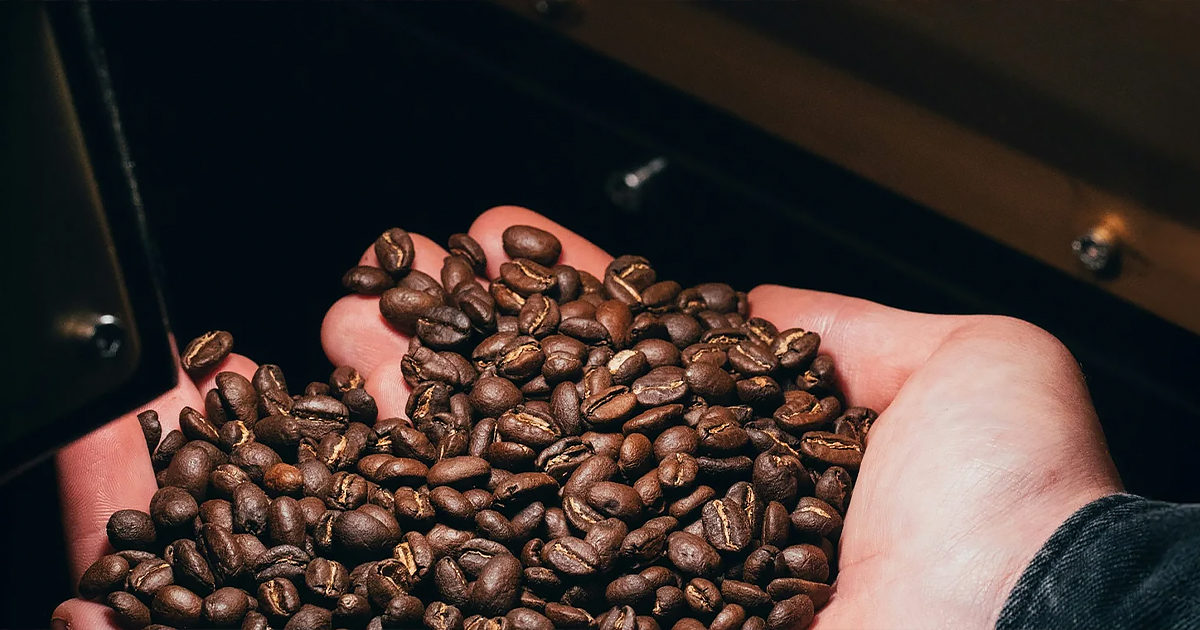
Poland has developed into an important coffee-consuming and coffee-trading market in Central Europe. Its coffee industry includes large commercial roasters, international brands, independent specialty coffee businesses, online retailers and importers supplying green coffee to roasting companies.
The market offers opportunities for different types of coffee. Traditional espresso blends and accessible everyday coffees remain important, while specialty coffee customers increasingly explore single-origin beans, lighter roasts, alternative brewing methods and coffees with identifiable origins.
Poland is also an importer of substantial quantities of unroasted coffee. According to World Bank WITS data based on UN Comtrade, Poland imported approximately 132,724 tonnes of unroasted, non-decaffeinated coffee in 2025, valued at approximately US$866 million.
The leading reported suppliers included:
| Reported supplier | 2025 import quantity |
|---|---|
| Brazil | 35,618 tonnes |
| Vietnam | 30,092 tonnes |
| Germany | 28,844 tonnes |
| Uganda | 8,054 tonnes |
| Ethiopia | 5,698 tonnes |
These figures describe reported trading partners, which can include re-export and transit trade, rather than necessarily identifying the original growing country for every shipment. Nevertheless, the figures demonstrate Uganda’s established presence in Poland’s green coffee supply chain. WITS – Poland’s 2025 green coffee imports
Where to Buy Premium Coffee Beans in Poland
Buyers in Poland can explore several purchasing channels, depending on whether they want roasted coffee for immediate consumption or green coffee for commercial roasting.
The most useful options include:
- Specialty coffee roasters selling freshly roasted beans.
- Independent cafés with retail coffee selections.
- Online specialty coffee shops.
- Wholesale coffee suppliers for cafés and restaurants.
- Green coffee importers supplying professional roasters.
- International exporters connecting Polish buyers with producing countries.
For individual customers, specialty roasters and online stores are generally the easiest starting points. Commercial buyers should also consider specialist importers and direct relationships with coffee exporters.
Specialty Coffee Roasters in Poland
Specialty coffee roasters are among the best places to find premium coffee beans. They purchase green coffee, develop roast profiles and sell finished products to consumers, cafés and businesses.
Poland has an established independent roasting scene, with businesses operating in Warsaw, Kraków, Wrocław, Opole, Gdańsk, Łódź and other cities. Coffee Selection and Coffeedesk maintain directories and selections of Polish specialty roasters, making them useful starting points for discovering additional brands. Coffee Selection | Coffeedesk – Polish coffee roasters
JAVA Coffee Roasters – Warsaw
JAVA Coffee Roasters is an established Polish specialty coffee business operating since 2001. It offers specialty Arabica coffee, espresso blends and filter-oriented selections through its online store and Warsaw locations.
Its product range includes coffees from producing countries such as Ethiopia, Colombia, Guatemala and Uganda. Its online catalogue also identifies individual origins and flavour characteristics, making it useful for customers who want to compare different coffees before purchasing.
JAVA is a good option for buyers interested in fresh specialty coffee and origin-specific selections.
Website: https://javacoffee.pl/en/
HAYB Specialty Coffee – Warsaw
HAYB is a Polish specialty coffee roaster with a strong presence in Warsaw and an online retail operation.
Its range includes espresso blends, single-origin coffees and products intended for alternative brewing methods. Customers can explore different roast profiles and coffee selections according to their preferences.
HAYB is also relevant to professional customers looking for a Polish roasting partner and coffee supply arrangements.
Hard Beans Coffee Roasters – Opole
Hard Beans Coffee Roasters is a specialty coffee business based in Opole. It sells freshly roasted coffee through its online shop and operates a local retail location.
Its range includes espresso blends, single-origin coffees and products for alternative brewing. It also serves business customers, making it worth investigating for cafés, offices and hospitality operators.
Website: https://hardbeans.pl/
BeMyBean – Kraków
BeMyBean is a Kraków-based specialty coffee roastery with an online store and a local showroom or café space.
It is an option for customers who want to explore freshly roasted coffee and receive guidance on selecting beans for espresso or filter brewing.
Professional customers can also investigate its coffee education and business cooperation opportunities.
LaCava Specialty Coffee Roastery – Wolica
LaCava is a Polish coffee roastery and retail supplier located in Wolica near Warsaw.
It offers specialty coffee, brewing equipment and accessories, while also serving professional customers. Its business-facing offering makes it relevant to cafés, offices and other hospitality businesses looking for coffee and related equipment.
Website: https://lacava.pl/en/
El Cafetero – Warsaw
El Cafetero at Plac Zbawiciela is a specialty coffee café and retail destination in Warsaw. It combines prepared espresso and filter coffee with a selection of roasted beans.
It is a useful place for customers who prefer to taste coffee before purchasing it. Buyers can ask about the current bean selection, origins and recommended brewing methods.
Kofikada Coffee Roastery – Olsztyn
Kofikada is a specialty coffee roastery in Olsztyn with an online store and local retail presence.
Its selection includes espresso blends, single-origin coffee and beans for alternative brewing methods. It also caters to professional customers, including businesses interested in coffee supply and cooperation.
Where to Buy Premium Coffee Beans Online in Poland
Online shopping is a convenient option for Polish coffee customers who want access to a wide range of origins and roasting styles without visiting a physical shop.
A number of Polish roasters and specialist retailers operate online stores with nationwide delivery.
Coffeedesk
Coffeedesk is an established Polish coffee retailer offering products from a wide selection of domestic and international roasters.
Its Polish roaster section provides access to many local brands and different types of specialty coffee. Customers can compare products, roast dates and available origins.
Website: https://www.coffeedesk.pl/
JAVA Coffee Roasters Online Store
JAVA Coffee Roasters offers online purchasing and delivery within Poland. Its catalogue includes single-origin coffees, different roast levels and products for espresso and filter brewing.
The company publishes information about origins and flavour profiles, helping buyers make informed purchasing decisions.
Website: https://javacoffee.pl/en/
Hard Beans Online Store
Hard Beans offers online purchasing of its roasted coffee, including blends, single-origin selections and other coffee products.
It is worth exploring for customers who want to compare different flavour profiles and brewing applications.
Website: https://hardbeans.pl/
LaCava Online Store
LaCava’s online shop offers coffee alongside brewing equipment, grinders, accessories and other products.
This makes it useful for customers who want to purchase coffee and improve their home or professional brewing setup at the same time.
Website: https://lacava.pl/en/
Coffee Mates – Wrocław
Coffee Mates operates as an online specialty coffee retailer and is also involved in green coffee importing. Its selection includes coffee from different roasters and origins.
It is relevant to specialty coffee enthusiasts and professional buyers interested in exploring different coffees and importer relationships.
Wholesale Coffee Suppliers and Green Coffee Importers in Poland
Polish businesses purchasing coffee commercially have additional options beyond ordinary retail stores.
Cafés, restaurants, distributors and roasting companies may need larger quantities, specific origins, consistent quality and reliable supply arrangements.
Green coffee importers are particularly important because they provide the unroasted beans that professional roasters use to produce their own coffee brands.
The following businesses and supply channels are worth investigating.
Bero Polska
Bero Polska is identified by the Centre for the Promotion of Imports from developing countries (CBI) as a major supplier of raw, soluble and gourmet coffee in Poland and Central and Eastern Europe.
It belongs to the Neumann Kaffee Gruppe and has been associated with green coffee imports through its Polish operations in Gdynia.
It is a relevant company for professional buyers looking for commercial coffee supply and import relationships. Buyers should contact the company directly to confirm current products, purchasing volumes and terms.
!Fest Coffee Mission – Warsaw
!Fest Coffee Mission is a Warsaw-based business identified as a specialty coffee wholesaler and green coffee importer.
Its professional focus makes it relevant to roasters looking for green Arabica coffee, traceable lots and commercial sourcing discussions.
Businesses should request current lot information, sample availability, quality specifications and delivery conditions before placing an order.
Anfrawer
Anfrawer is identified in CBI’s Polish market-entry research as a specialised coffee importer.
Specialised importers can be particularly relevant to small and medium-sized roasters looking for single-origin coffee, smaller lots and specialty-grade beans rather than only large commercial shipments.
Prospective buyers should verify current operations and available lots directly.
Coffee Mates
Coffee Mates is another business worth investigating for specialty coffee and green coffee sourcing. It operates from Wrocław and combines online retail with importer activity.
Professional buyers should establish whether its current green coffee selection and commercial arrangements match their requirements.
International Coffee Trading Companies
Polish roasters also work with international coffee trading businesses and European importers. These relationships can provide access to a broader range of origins, processing methods and specialty lots.
CBI notes that German importers and trading companies have historically played an important role in supplying the Polish market. Businesses such as List + Beisler and other European traders can therefore be relevant to Polish professional buyers.
CBI also identifies the importance of understanding the relationships between Polish roasters, specialised importers and larger international suppliers. CBI – Entering the Polish coffee market
Which Polish Cities Offer the Best Premium Coffee Options?
Poland’s specialty coffee industry is spread across several cities. Warsaw and Kraków are particularly useful destinations for buyers looking for specialist coffee shops and roasters, but other cities also have interesting businesses.
Warsaw
Warsaw is one of Poland’s most important destinations for specialty coffee.
Buyers can investigate JAVA Coffee Roasters, HAYB, El Cafetero and other independent coffee businesses. The city also offers access to professional suppliers and coffee-related services.
It is a useful destination for both individual consumers and commercial customers.
Kraków
Kraków has a visible independent coffee scene, with specialty cafés, roasters and retail shops.
BeMyBean and Pożegnanie z Afryką are examples of businesses customers can explore when looking for specialty coffee and coffee retail experiences.
Wrocław
Wrocław is home to a number of specialty coffee businesses, including Coffee Mates and other independent roasters.
It is a relevant location for buyers interested in specialty coffee retail and importer relationships.
Opole
Opole is home to Hard Beans Coffee Roasters, a Polish specialty coffee business with an online store and professional coffee offering.
Its online presence makes it relevant to customers throughout Poland, not only those living nearby.
Gdańsk and Gdynia
The coastal cities of Gdańsk and Gdynia are important to Poland’s coffee trade because of their port infrastructure.
CBI identifies Gdynia and Gdańsk as important entry points for green coffee entering Poland. Gdynia has also been associated with the operations of major coffee importer Bero Polska.
These cities are particularly relevant to importers, distributors and businesses involved in the movement of commercial coffee shipments.
Other Polish cities
Coffee customers can also explore specialty coffee businesses in Łódź, Poznań, Katowice, Szczecin, Olsztyn, Lublin, Białystok and other urban centres.
Online stores make it possible to purchase coffee from roasters located far from the customer’s home or business.
Understanding Arabica and Robusta When Buying Premium Coffee
A buyer should understand the difference between Arabica and Robusta before selecting premium coffee beans.
Both have important commercial applications, but they offer different flavour characteristics and brewing possibilities.
Arabica coffee
Arabica is particularly important in the specialty coffee segment. It is valued for its potential complexity, aromatic qualities and range of flavour profiles.
Depending on the growing region, variety, altitude, processing and roasting, Arabica may exhibit:
- Floral aromas.
- Citrus and berry notes.
- Chocolate and cocoa.
- Caramel and brown sugar.
- Fruity and wine-like characteristics.
- Nutty and sweet flavours.
African Arabica from Uganda, Ethiopia, Kenya, Rwanda, Burundi and Tanzania can provide Polish buyers with opportunities to explore distinctive regional profiles.
Robusta coffee
Robusta is an important coffee type for commercial roasting and espresso production.
It is often valued for its fuller body, stronger flavour, crema contribution and suitability for espresso blends. Depending on quality and processing, Robusta can offer notes associated with cocoa, nuts, spices and earthiness.
Uganda is particularly relevant to Polish buyers exploring African Robusta. The country has an established production and export sector, and its coffee already reaches the Polish market.
Premium Robusta should be evaluated according to its physical condition, defect levels, cup quality, consistency and intended application rather than simply its strength.
Arabica and Robusta blends
Some coffee businesses prefer blending Arabica and Robusta to achieve a particular balance of aroma, body, strength, crema and cost.
A specialty café may prefer a high-quality Arabica blend, while a business serving traditional espresso may select a blend containing Robusta.
The right selection depends on the target customer and the intended brewing method.
Why African Coffee Is Worth Exploring in Poland
African coffee provides Polish consumers and commercial buyers with opportunities to diversify their selections and explore distinctive producing regions.
The continent offers different growing conditions, varieties and processing traditions. This creates opportunities for roasters and retailers interested in offering coffees with identifiable origins and differentiated flavour characteristics.
Uganda
Uganda is one of Africa’s important coffee-producing countries, with both Arabica and Robusta production.
Ugandan Robusta is particularly relevant to commercial espresso blends and products requiring body and strength. Ugandan Arabica can also appeal to specialty coffee buyers looking for African-origin selections.
Poland’s reported 2025 imports included approximately 8,054 tonnes of unroasted, non-decaffeinated coffee from Uganda, according to WITS and UN Comtrade data.
This provides evidence of an existing trade connection between Uganda and Poland.
Ethiopia
Ethiopia is widely recognised for its Arabica coffee and distinctive regional profiles.
Depending on the origin and processing method, Ethiopian coffees may offer floral, citrus, berry and other fruit-forward characteristics.
They are relevant to specialty roasters and consumers interested in single-origin coffee.
Kenya
Kenyan Arabica is often associated with distinctive acidity, fruit characteristics and complexity.
It can be a valuable option for Polish specialty roasters developing filter coffee selections and premium single-origin products.
Rwanda and Burundi
Rwanda and Burundi offer additional African Arabica sourcing opportunities.
Buyers can explore washed coffees, specialty lots and other selections depending on harvest availability and quality specifications.
Tanzania
Tanzania produces both Arabica and Robusta. Its coffee can provide another option for Polish buyers interested in diversifying their African-origin selections.
How to Identify Truly Premium Coffee Beans
The word premium is widely used in coffee marketing, but it does not automatically guarantee quality.
Buyers should evaluate the coffee’s origin, physical condition, processing information, roast profile and cup characteristics.
Verify the origin
A reliable supplier should be able to identify the coffee’s country of origin and provide more specific information where available.
For specialty coffee, this may include the growing region, estate, cooperative, washing station or producer.
Clear origin information helps buyers understand the product and assess its traceability.
Check the processing method
Processing has an important influence on the final cup.
Common methods include:
- Washed processing.
- Natural processing.
- Honey processing.
- Controlled fermentation and other specialised methods.
Buyers should request accurate processing information rather than relying on broad marketing descriptions.
Check the roast date
For roasted coffee, the roast date is an important purchasing consideration.
Coffee should be appropriately packaged and protected from moisture, heat, oxygen and excessive exposure to light.
The ideal resting period after roasting depends on the coffee and brewing method.
Evaluate physical quality
Professional green coffee buyers should assess moisture content, screen size, defect count, density and other relevant physical characteristics.
Representative samples should be evaluated before a large purchase.
Request a cup evaluation
Cupping and brewing tests help determine whether a coffee meets the buyer’s flavour and quality expectations.
For commercial purchases, sensory evaluation should be supported by written specifications and an agreed reference sample.
Assess consistency
Businesses purchasing coffee regularly should establish whether the supplier can provide consistent quality across deliveries and harvest periods.
This is particularly important for cafés, roasters, wholesalers and distributors.
Buying Roasted Coffee Versus Green Coffee in Poland
Buyers should decide whether they need finished roasted coffee or unroasted green coffee.
Buying roasted coffee
Roasted coffee is ready for brewing and is generally the most convenient option for individual consumers and businesses without roasting facilities.
It is suitable for:
- Home coffee enthusiasts.
- Offices and workplaces.
- Restaurants and hotels.
- Cafés without roasting facilities.
- Retail shops.
- Businesses purchasing finished coffee products.
Buying green coffee
Green coffee is unroasted and is primarily purchased by importers, roasting companies and businesses with access to roasting facilities.
It gives professional buyers control over roast development, blending, product positioning and consistency.
It is suitable for:
- Independent coffee roasters.
- Commercial roasting companies.
- Green coffee importers.
- Wholesale distributors.
- Private-label coffee businesses.
- Hospitality businesses operating their own roasting facilities.
Polish buyers can source green coffee through domestic importers, international trading companies or direct relationships with exporters in producing countries.
What Polish Businesses Should Consider Before Importing Green Coffee
Importing green coffee involves more than agreeing on a price and quantity. Buyers must consider the product specification, documentation, food safety, customs, transport and traceability.
Establish clear product requirements
Before requesting quotations, identify the coffee required.
Important details include:
- Arabica or Robusta.
- Country and preferred growing region.
- Processing method.
- Quality and cup profile.
- Required quantity.
- Packaging format.
- Delivery destination.
- Intended application.
Clear requirements help exporters and importers identify suitable coffee.
Request samples and specifications
Buyers should request representative samples before committing to commercial quantities.
Relevant information may include moisture, screen size, defect count, density, cup profile, crop information and lot identification.
The agreed sample and written specifications should provide a clear reference for the transaction.
Understand EU food safety requirements
Poland is an EU Member State, so commercial coffee imports must comply with applicable EU food safety and customs requirements.
Importers should pay attention to:
- Maximum pesticide residue limits.
- Contaminant limits, including ochratoxin A.
- Food hygiene requirements.
- Traceability.
- Product and shipment documentation.
- Applicable customs procedures.
Requirements should be checked against current official guidance and the specific origin and product being imported.
Prepare the required commercial documentation
Depending on the transaction and shipment, importers may need commercial invoices, packing lists, transport documents, customs declarations and origin information.
The precise documentation should be confirmed with a customs broker and relevant authorities before shipment.
Consider the EU Deforestation Regulation
Coffee is included within the scope of the EU Deforestation Regulation (EUDR).
As of November 2026, the European Commission lists the following application dates:
- Large and medium-sized operators and traders: 30 December 2026.
- Micro and small enterprises: 30 June 2027.
The regulation requires relevant operators to conduct due diligence demonstrating that covered products are deforestation-free and legally produced, supported by the required information and declarations.
Polish importers and exporters supplying the EU market should assess their obligations and prepare the necessary traceability information. They should consult the latest European Commission guidance because implementation details and legal requirements can change.
Official reference: https://environment.ec.europa.eu/topics/forests/deforestation/eu-deforestation-regulation-eudr_en
Why Polish Buyers Can Source African Coffee Through Robica Coffee Limited
Robica Coffee Limited is a Ugandan coffee exporter connecting international buyers with prominent and registered coffee growers across Africa.
For Polish importers, roasters, distributors and other commercial buyers, Robica offers a point of contact for exploring African coffee sourcing opportunities.
The objective is to connect international buyers with coffee-growing and supply opportunities in African producing countries.
Potential areas of interest include:
- Ugandan Arabica coffee.
- Ugandan Robusta coffee.
- Coffee from other African producing countries.
- Single-origin sourcing opportunities.
- Green coffee enquiries for professional roasters.
- Commercial coffee sourcing based on specified quality and volume requirements.
African coffee can provide Polish businesses with additional origin choices and opportunities to develop differentiated coffee products.
For example, a Polish roaster interested in developing an espresso blend may investigate Ugandan Robusta, while a specialty roaster may explore African Arabica for single-origin offerings.
The suitability of each coffee depends on actual availability, origin, quality, quantity and commercial terms. Buyers should request current product information, specifications and representative samples where available before making a purchasing decision.
Robica Coffee Limited’s role is to connect international buyers with relevant African coffee-growing and supply opportunities, supporting sourcing discussions based on each buyer’s requirements.
Who Should Consider Buying Premium Coffee Beans in Poland?
Premium coffee purchasing serves several customer groups, from individual consumers to professional businesses.
Individual coffee consumers
Home coffee enthusiasts can explore specialty roasters and online stores to find beans suited to espresso machines, moka pots, French presses, AeroPress and pour-over brewing.
They can select coffee according to roast level, flavour profile and origin.
Specialty cafés
Specialty cafés need coffee that meets customer expectations and supports their beverage menu.
They may purchase roasted coffee from established roasters or source green coffee for their own roasting operations.
Hotels and restaurants
Hotels and restaurants may require consistent coffee supplies for breakfast services, restaurants, espresso bars, conferences and other hospitality activities.
Their purchasing decisions should consider quality, equipment compatibility, volume and supply arrangements.
Independent roasters
Independent roasters need reliable access to green coffee with suitable physical and sensory characteristics.
They may benefit from working with specialised importers and exporters that can provide transparent origin information and samples.
Wholesalers and distributors
Wholesalers and distributors require products that can serve different customer segments.
Important considerations include supply continuity, commercial terms, packaging, traceability and quality consistency.
Coffee brands and private-label businesses
Businesses developing their own coffee brands need to identify suitable origins, product specifications, roasting arrangements and packaging partners.
They should confirm the specific capabilities of each supplier rather than assuming every coffee exporter provides a complete private-label service.
Questions to Ask Before Choosing a Coffee Supplier in Poland
Whether purchasing a small quantity or negotiating a commercial agreement, buyers should ask questions that clarify the product and the supplier’s capabilities.
- Where was the coffee grown?
- Is it Arabica, Robusta or a blend?
- What is the processing method?
- When was the coffee harvested or roasted?
- Are representative samples available?
- Can the supplier provide product specifications?
- What quantities are available?
- What packaging formats are offered?
- What are the payment and delivery conditions?
- Can the supplier provide the documentation required for the transaction?
For commercial green coffee purchases, buyers should also establish how quality is assessed, how the agreed sample relates to the shipment and what procedure applies if the delivered coffee does not meet the agreed specifications.
Frequently Asked Questions About Buying Premium Coffee Beans in Poland
- Where is the best place to buy premium coffee beans in Poland? The best place depends on your requirements. JAVA Coffee Roasters, HAYB, Hard Beans, BeMyBean and LaCava are examples of Polish specialty coffee businesses worth exploring. For commercial green coffee, buyers can investigate specialist importers and professional suppliers such as Bero Polska and !Fest Coffee Mission.
- Can I buy premium coffee beans online in Poland? Yes. Polish specialty roasters and online coffee retailers offer roasted beans for home brewing and professional use. Buyers can compare origin, roast date, processing method, flavour profile and delivery arrangements before ordering.
- Which Polish cities have the best specialty coffee options? Warsaw and Kraków are particularly useful destinations for specialty coffee. Wrocław, Opole, Łódź, Poznań, Gdańsk and other cities also have independent roasters and specialist coffee businesses.
- Does Poland import coffee from Uganda? Yes. WITS and UN Comtrade data show that Poland imported approximately 8,054 tonnes of unroasted, non-decaffeinated coffee from Uganda in 2025.
- Is Arabica or Robusta more popular in Poland? Both have commercial applications. Arabica is especially relevant to specialty coffee and single-origin products, while Robusta is important for commercial blends and espresso applications. Demand depends on the buyer segment and product requirements.
- Can Polish roasters buy green coffee directly from African exporters? Yes. Polish roasters and importers can explore direct sourcing relationships with exporters in producing countries. They should assess quality, traceability, samples, volume, documentation and commercial arrangements before committing to a purchase.
- What is the difference between green coffee and roasted coffee? Green coffee is unroasted and is generally purchased by professional roasters and importers. Roasted coffee has already undergone roasting and is ready for brewing.
- Is Ugandan coffee suitable for Polish coffee businesses? Ugandan Arabica and Robusta can serve different market segments in Poland. Robusta can be relevant to espresso blends and commercial roasting, while Arabica can interest specialty roasters and buyers seeking African-origin coffees.
- What should I check when purchasing premium coffee beans? Check the origin, variety, processing method, physical condition, roast date, freshness and suitability for your brewing method. Professional buyers should also request samples and supporting specifications.
- Can I contact Robica Coffee Limited to source coffee for Poland? Yes. International buyers can contact Robica Coffee Limited to discuss African coffee sourcing opportunities. Enquiries should identify the preferred origin, Arabica or Robusta requirement, quantity, quality expectations and intended application. Availability and commercial terms must be confirmed.
Final Thoughts: Finding the Right Premium Coffee Supplier in Poland
Poland provides a diverse environment for purchasing premium coffee beans. Consumers can explore specialty roasters and online retailers, while cafés, importers and roasting companies can investigate wholesale suppliers and green coffee importers.
Warsaw and Kraków offer particularly useful specialty coffee destinations, while businesses in other Polish cities can access a growing selection of independent roasters through online stores.
For buyers interested in diversifying their coffee sourcing, Africa offers opportunities worth exploring. Uganda, Ethiopia, Kenya, Rwanda, Burundi and Tanzania are among the producing countries that can contribute to a broader coffee portfolio.
Robica Coffee Limited supports this sourcing journey by connecting international buyers with prominent and registered coffee growers across Africa.
Polish buyers interested in African coffee can make enquiries based on their preferred origin, coffee type, quality requirements and commercial volume. A successful sourcing relationship should always be built on transparent product information, reliable quality assessment and clearly agreed commercial conditions.
Leave a Reply