
South Korea has developed into one of the most dynamic coffee markets in Asia. From independent specialty roasters in Seoul to destination coffee shops in Busan, the country offers an impressive range of options for consumers and businesses looking for premium coffee beans.
Coffee is deeply integrated into everyday Korean life. Specialty cafés, espresso bars, independent roasting businesses and home-brewing communities have helped create a market where consumers increasingly pay attention to bean origins, roasting techniques, flavour profiles and freshness.
The country’s coffee industry is also heavily dependent on imported raw materials. This creates opportunities for international coffee exporters and African producing countries looking to connect with Korean importers, roasters and distributors.
For buyers interested in African coffee, Uganda, Ethiopia, Kenya, Rwanda, Burundi and Tanzania offer origins worth exploring.
Robica Coffee Limited is a Ugandan coffee exporter connecting international buyers with prominent and registered coffee growers across Africa. Through this sourcing connection, international buyers can explore African Arabica and Robusta opportunities according to their commercial requirements.
This guide examines where to purchase premium coffee beans in South Korea, which businesses to investigate and what consumers and commercial buyers should consider before purchasing.
Understanding South Korea’s Premium Coffee Market
South Korea has one of the most developed coffee cultures in Asia. Coffee is consumed throughout the day, from morning commutes and office breaks to after-meal drinks and social gatherings.
According to an August 2026 analysis by South Korea’s Ministry of Agriculture, Food and Rural Affairs (MAFRA) and the Korea Rural Economic Institute (KREI), the domestic coffee industry reached approximately KRW 3.74 trillion in 2024.
The market for roasted coffee products, including whole beans and ground coffee, reached approximately KRW 1.32 trillion in the same year. It recorded average annual growth of 15.8% over the preceding six years.
The study also reported that South Korea had more than 106,000 coffee shops in 2023, demonstrating the importance of coffee businesses within the country’s foodservice industry.
These figures reveal an important development: Korean consumers are increasingly exploring different coffee products, including specialty beans, while affordable coffee chains and convenient packaged coffee remain popular.
The market therefore has room for different product categories, from accessible everyday blends to premium single-origin coffees.
South Korea is also a significant coffee importer. In 2025, the country imported approximately 215,792 tonnes of coffee, valued at around US$1.86 billion. The increase in import value reflected higher international coffee prices and currency movements, while import volume remained broadly stable.
Brazil, Vietnam and Colombia were among the leading supplying countries.
For premium coffee exporters, the market offers opportunities to introduce additional origins and differentiated products to Korean importers, roasters and specialty coffee businesses.
Sources: South Korea’s Ministry of Agriculture, Food and Rural Affairs; Yonhap News – South Korea’s 2025 coffee imports.
Where to Buy Premium Coffee Beans in South Korea
There are several ways to purchase premium coffee beans in South Korea. The most suitable option depends on whether the buyer wants freshly roasted beans for home brewing or larger quantities for commercial use.
The main purchasing channels include:
- Specialty coffee roasters.
- Independent coffee shops and cafés.
- Online coffee retailers.
- Coffee subscription businesses.
- Wholesale roasted coffee suppliers.
- Green coffee importers.
- International coffee trading companies.
For individual consumers, specialty roasters are usually an excellent starting point. They allow customers to explore different origins, compare roasting styles and purchase beans selected for particular brewing methods.
For commercial buyers, green coffee importers and professional coffee traders are particularly relevant because they supply the unroasted beans used by roasting businesses.
Specialty Coffee Roasters in Seoul
Seoul is one of South Korea’s most important specialty coffee destinations. Its coffee culture includes independent roasters, experimental cafés, established specialty brands and businesses that focus on premium single-origin beans.
The following businesses are worth exploring.
Anthracite Coffee Roasters – Seoul
Anthracite Coffee Roasters is one of South Korea’s recognised specialty coffee businesses. It has developed a distinctive identity through its coffee roasting, café environments and carefully selected coffee offerings.
Its Hapjeong location in Mapo-gu is particularly interesting for specialty coffee enthusiasts.
The business is worth investigating for customers interested in espresso, filter coffee and roasted beans with distinctive flavour characteristics.
Buyers should explore the current retail selection and ask about the origins, roast profiles and brewing recommendations of available coffees.
Reflect Coffee Roasters – Seoul
Reflect Coffee Roasters operates a specialty coffee shop and roasting facility in Seoul’s Seocho district.
Its coffee programme focuses on carefully prepared espresso and brewed coffee, making it relevant to customers who want to explore different coffee styles.
It is an interesting option for home-brewing enthusiasts and customers who appreciate coffee prepared with attention to extraction and quality.
Customers should enquire about available whole-bean selections and whether particular coffees are recommended for espresso or filter brewing.
Central Site Coffee Roasters – Seoul
Central Site Coffee Roasters, also known as Centralsite Coffee Roasters, operates in the Yeonnam area of Mapo-gu.
It is a specialty coffee destination where customers can explore different coffees and receive guidance when selecting beans.
Its range of coffee options makes it worth investigating for people who enjoy trying different origins and house blends.
For buyers purchasing coffee for home use, asking staff to recommend beans according to brewing preference can help narrow down the selection.
EL CAFE Coffee Roasters – Seoul
EL CAFE Coffee Roasters is a specialty coffee business located in the Yongsan area, close to Seoul Station.
Its coffee offering is particularly relevant to customers interested in brewed coffee and exploring different origins.
The business combines a café environment with visible roasting activity, giving visitors an opportunity to learn more about the coffee behind their drinks.
It is worth investigating for specialty beans and coffee-related purchasing enquiries.
Coffee Fiel – Seoul
Coffee Fiel is a specialty coffee roastery and café in Seoul’s Gangnam district.
Its focus on selected green coffee and specialty roasting makes it an interesting destination for consumers looking for carefully prepared coffee.
Customers can explore its coffee selection and enquire about beans suitable for home brewing.
Its location in Gangnam also makes it relevant to visitors exploring Seoul’s premium café scene.
Ryan’s Coffee Roasters – Seoul
Ryan’s Coffee Roasters is another specialty coffee destination in Seoul, located in the Yongsan area.
It is known for its coffee-focused environment and selection of beans, making it useful for people who enjoy exploring different origins and brewing styles.
Buyers can ask about the available single-origin selections, roast profiles and recommended preparation methods.
Belief Coffee Roasters – Seoul
Belief Coffee Roasters operates in the Hapjeong area of Mapo-gu.
It is relevant to customers interested in house-roasted coffee, espresso and single-origin brewed coffee.
The business offers another opportunity to explore specialty beans in one of Seoul’s active coffee districts.
Customers should check which beans are currently available for retail purchase.
Where to Buy Premium Coffee Beans in Busan
Busan has a strong specialty coffee culture of its own. Its coffee businesses include established roasters, independent cafés and destination coffee venues that attract both local customers and visitors.
The following are some of the businesses worth exploring.
Momos Coffee – Busan
Momos Coffee is one of South Korea’s recognised specialty coffee businesses and an important part of Busan’s coffee scene.
Its flagship store in Geumjeong-gu has developed a reputation for specialty coffee, professional brewing and a carefully designed coffee experience.
The company also operates a roasting and coffee-bar location in Yeongdo, where visitors can explore coffee preparation and roasting in a distinctive setting.
Momos Coffee is particularly relevant to specialty coffee enthusiasts interested in single-origin coffee and carefully prepared espresso and filter beverages.
Customers should investigate the available retail beans and current coffee selection.
WERK ROASTERS – Busan
WERK ROASTERS is a specialty coffee business in Busan’s Suyeong district.
It is known for its focus on carefully prepared coffee, including espresso and filter selections.
The business is worth investigating for customers interested in specialty coffee and different bean origins.
Professional buyers and individual customers should enquire about the current range of whole-bean coffee and available purchasing formats.
Raw & Sweet – Busan
Raw & Sweet is a specialty coffee roastery café in Busan’s Haeundae area.
Its coffee programme includes roasting and carefully prepared espresso and hand-brewed coffee.
It is relevant to customers interested in trying rotating single-origin selections and purchasing coffee from a specialist roastery.
Visitors can ask about the origins and processing methods of the available beans.
Strut Coffee – Busan
Strut Coffee operates as a specialty coffee shop and micro-roastery in Busan’s Jeonpo-dong area.
It is an interesting destination for customers who appreciate carefully prepared espresso and filter coffee.
The business is worth investigating for specialty coffee enthusiasts looking to explore roasted beans and different coffee profiles.
Hytte Roastery – Busan
Hytte Roastery is a specialty coffee roastery and café in Busan’s Jeonpo and Seomyeon area.
It is particularly relevant to people who enjoy specialty espresso, pour-over coffee and distinctive origin profiles.
Customers should enquire about its current whole-bean selection and whether the available coffees are suitable for their preferred brewing method.
Other Korean Specialty Coffee Businesses Worth Exploring
South Korea’s specialty coffee industry extends well beyond Seoul and Busan.
Other cities, including Daegu, Incheon, Daejeon, Gwangju and Jeju, have coffee businesses and independent roasters serving consumers who are interested in premium coffee.
Coffee buyers can also investigate established Korean roasting brands and online specialty retailers.
When exploring these businesses, it is useful to distinguish between companies that roast coffee themselves, retailers that distribute other roasters’ products and businesses that specialise in green coffee imports.
This distinction matters because a retail shop selling roasted beans may not necessarily be suitable for a commercial buyer seeking unroasted coffee in larger quantities.
Where to Buy Premium Coffee Beans Online in South Korea
Online purchasing is an important part of South Korea’s coffee market.
Consumers can compare different coffee origins, roast profiles, bag sizes and prices without visiting a physical coffee shop.
Many Korean roasters and specialty retailers sell through their own websites and domestic online marketplaces.
When buying online, look for suppliers that provide clear product information.
Important details include:
- Country and region of origin.
- Arabica, Robusta or blend composition.
- Variety, where known.
- Processing method.
- Roast date.
- Flavour notes.
- Recommended brewing method.
- Packaging size.
- Shipping and delivery conditions.
Customers interested in premium coffee should avoid relying only on descriptions such as luxury, premium or artisan.
A good supplier should provide meaningful information about the beans themselves.
South Korean buyers may also find coffee subscriptions useful. These services can provide regular deliveries of different coffees, allowing customers to explore origins and roasting styles over time.
Before placing an order, verify the retailer’s delivery arrangements, product availability and current pricing.
Wholesale Coffee Suppliers and Green Coffee Importers in South Korea
South Korea has an established commercial coffee supply chain that serves domestic roasters, cafés, manufacturers and distributors.
Professional buyers purchasing larger quantities should consider green coffee importers rather than limiting their search to retail coffee shops.
Green coffee importers supply unroasted beans to roasting companies. Their services may include origin sourcing, quality information, samples and commercial supply arrangements.
The following companies are relevant to professional buyers.
GSC International – Seoul
GSC International is a South Korean coffee importer, wholesaler and distributor with a strong focus on green coffee.
It is particularly relevant to roasting businesses seeking access to unroasted coffee from different producing countries.
Its business activities include green coffee distribution and online purchasing channels for professional customers.
Buyers can investigate its available origins, current lots, sample arrangements and minimum purchasing quantities.
For Korean roasters looking to develop specialty coffee selections, GSC International is an important business to consider.
NKG Korea – Seoul
NKG Korea is part of the international Neumann Kaffee Gruppe network.
The company operates within the professional green coffee supply chain and serves commercial and specialty coffee buyers.
Its sourcing activities make it relevant to Korean roasting businesses looking for green coffee from different producing countries.
Potential customers should enquire about available origins, quality specifications, purchasing quantities and applicable commercial terms.
Sopex Korea – South Korea
Sopex Korea is part of the international Sopex coffee trading and distribution network.
It is relevant to professional coffee buyers seeking international green coffee sourcing and supply-chain connections.
Businesses considering Sopex should discuss the types of coffee required, preferred origins, purchasing quantities and quality expectations.
Its international network makes it a useful company to investigate when exploring commercial coffee supply opportunities.
Other professional coffee suppliers
South Korea also has domestic coffee wholesalers, importers and distributors serving independent roasters and commercial customers.
Businesses should assess each supplier according to its actual role in the supply chain.
Some companies specialise in green coffee, while others focus on roasted beans, equipment, ingredients or finished coffee products.
A professional buyer should confirm the supplier’s current catalogue and commercial capabilities before beginning negotiations.
Understanding Arabica and Robusta in the South Korean Market
Arabica and Robusta are both relevant to South Korea’s coffee industry, although they serve different commercial and consumer applications.
Understanding their characteristics can help buyers choose suitable products.
Arabica coffee
Arabica is widely associated with specialty coffee because of its potential for complex flavours and aromas.
Depending on origin, variety, growing conditions, processing and roasting, Arabica can offer:
- Floral aromas.
- Citrus and fruit characteristics.
- Berry-like flavours.
- Chocolate and cocoa notes.
- Caramel and brown sugar.
- Nutty and spice characteristics.
Arabica is particularly relevant to specialty coffee shops, independent roasters and home-brewing enthusiasts.
South Korean specialty coffee consumers often enjoy exploring different origins and processing methods, making single-origin Arabica an interesting product category.
African Arabica from Ethiopia, Kenya, Uganda, Rwanda, Burundi and Tanzania can offer opportunities for buyers seeking distinctive coffees.
Robusta coffee
Robusta is an important coffee type in commercial roasting and manufacturing.
It is often used in espresso blends because of its body, strength and contribution to crema.
Depending on the quality and processing method, Robusta can offer cocoa, chocolate, nutty, earthy and spicy characteristics.
Vietnam is an established source of Robusta for the South Korean market, particularly for commercial and processing applications.
Uganda is another important origin worth exploring for buyers interested in African Robusta.
Premium Robusta should be evaluated through physical quality, defect levels, cup characteristics and consistency rather than strength alone.
Arabica and Robusta blends
Blending Arabica and Robusta allows coffee businesses to create products with specific flavour, body, strength and crema characteristics.
Different buyers may require different blend compositions.
A specialty café focusing on pour-over coffee may prefer single-origin Arabica, while an espresso-focused roasting business may require a blend with suitable Robusta content.
The right selection depends on the target consumer and intended application.
Why African Coffee Is Worth Exploring in South Korea
African coffee offers South Korean buyers an opportunity to diversify their coffee sourcing and introduce additional origins to an increasingly sophisticated market.
The continent produces both Arabica and Robusta, with different countries offering distinct growing environments, varieties and processing traditions.
For Korean importers, roasters and distributors, African coffee can support the development of new specialty selections and commercial coffee products.
Uganda
Uganda is one of Africa’s important coffee-producing countries, with established production of both Arabica and Robusta.
Ugandan Robusta is particularly relevant to buyers seeking coffee for espresso blends, commercial roasting and other applications requiring body and strength.
Ugandan Arabica is also an opportunity for specialty roasters interested in African-origin coffee.
Uganda’s established position in the international coffee trade makes it a relevant origin for Korean importers seeking to diversify their supply.
Ethiopia
Ethiopia is widely recognised for its diverse Arabica coffee profiles.
Depending on the growing region and processing method, Ethiopian coffee can offer floral, citrus, berry and other fruit-forward characteristics.
It is an attractive origin for specialty coffee businesses seeking distinctive single-origin products.
Kenya
Kenyan Arabica is often associated with pronounced acidity, fruit characteristics and complex flavour profiles.
It is particularly relevant to specialty roasters developing filter coffee selections.
Rwanda
Rwanda offers Arabica coffee opportunities, including washed coffees from established producing areas.
Its origin can interest buyers seeking traceable African specialty coffee.
Burundi
Burundi is another African Arabica-producing country worth exploring.
Its coffees can offer opportunities for roasters looking to diversify their specialty selections.
Tanzania
Tanzania produces both Arabica and Robusta coffee.
Its coffee industry offers additional sourcing opportunities for Korean businesses interested in African-origin products.
How to Identify Truly Premium Coffee Beans
The term premium is widely used in coffee marketing, but not every product described as premium necessarily meets the same quality standards.
Buyers should consider several factors before purchasing.
Check the origin
A credible supplier should be able to identify where the coffee was produced.
Depending on the product, this may include the country, region, cooperative, farm, estate or washing station.
Clear origin information helps buyers compare different coffees and understand their supply-chain background.
Review the processing method
Coffee processing influences the final flavour and quality.
Common methods include:
- Washed processing.
- Natural processing.
- Honey processing.
- Other controlled or experimental processing methods.
Buyers should understand the method used and how it may influence the expected flavour characteristics.
Check the roast date
For roasted coffee, freshness matters.
Look for a clearly stated roast date and packaging designed to protect the beans from moisture, oxygen, heat and light.
Coffee may also need an appropriate resting period after roasting before it performs optimally during brewing.
Evaluate physical quality
Professional green coffee buyers should consider moisture content, screen size, density, defect levels, physical appearance and aroma.
The exact standards required depend on the intended product and commercial application.
Request samples
A representative sample allows buyers to evaluate coffee before purchasing larger quantities.
Professional buyers should conduct appropriate physical assessments and sensory evaluation, including cupping where relevant.
Consider consistency
Businesses purchasing coffee regularly should establish whether the supplier can maintain suitable quality across deliveries and crop periods.
Consistency is particularly important for roasting companies, cafés, manufacturers and distributors.
Buying Roasted Coffee Versus Green Coffee in South Korea
Buyers should determine whether they require roasted or green coffee before approaching suppliers.
These products serve different purchasing needs.
Buying roasted coffee beans
Roasted coffee is ready for grinding and brewing.
It is suitable for customers who want a convenient product without managing the roasting process.
This option is appropriate for:
- Individual coffee consumers.
- Home-brewing enthusiasts.
- Offices.
- Hotels and restaurants.
- Cafés without roasting facilities.
- Retailers purchasing finished coffee products.
Buyers should select products according to their preferred flavour profile, roast level, origin and brewing equipment.
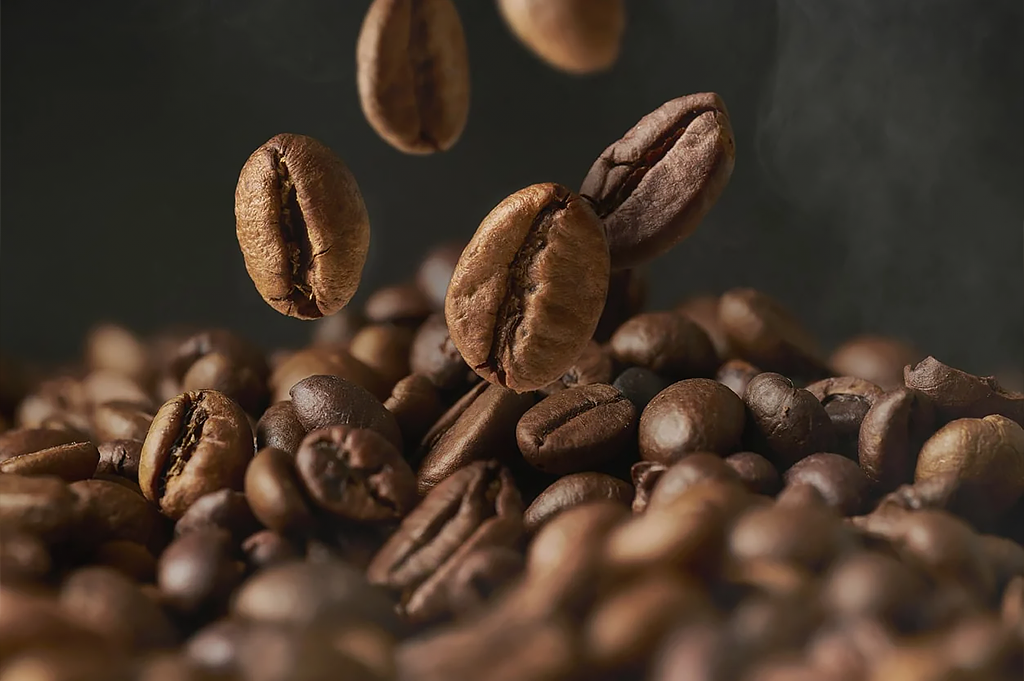
Buying green coffee beans
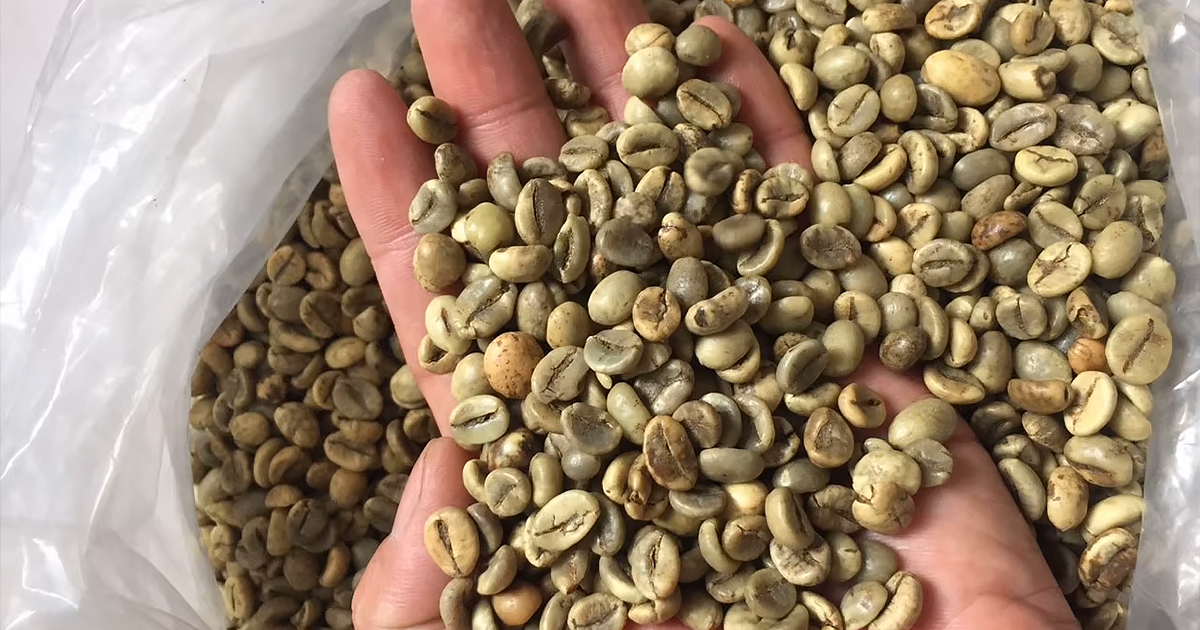
Green coffee is unroasted coffee intended for further processing.
It is generally purchased by professional roasters, importers, wholesalers and businesses with access to roasting facilities.
Buying green coffee provides greater control over roasting, blending and product development.
It is suitable for:
- Independent coffee roasters.
- Commercial roasting companies.
- Coffee importers.
- Wholesale distributors.
- Private-label coffee businesses.
- Hospitality businesses with their own roasting facilities.
For South Korean businesses interested in African green coffee, domestic importers and international exporters are useful sourcing channels.
What South Korean Buyers Should Consider Before Importing Coffee
Commercial coffee importing requires more preparation than buying roasted beans from a retail shop.
Buyers should evaluate the coffee, supplier, commercial terms, transport arrangements and applicable import requirements before confirming an order.
Establish the coffee specifications
Begin by defining the product required.
A commercial enquiry should ideally include:
- Arabica or Robusta.
- Preferred country and region.
- Processing method.
- Required cup profile.
- Quality specifications.
- Expected purchasing quantity.
- Packaging requirements.
- Delivery destination.
- Intended commercial application.
Clear specifications make it easier to compare suppliers and identify suitable coffee lots.
Request samples and technical information
Buyers should request representative samples and supporting quality information before making substantial purchases.
Depending on the coffee, relevant details may include moisture content, screen size, defect count, density, crop information, lot identification and cup characteristics.
The final purchasing decision should be based on agreed specifications and an appropriate quality assessment.
Understand MFDS food import requirements
South Korea regulates imported food products through its Ministry of Food and Drug Safety (MFDS).
Commercial food importers should establish the applicable requirements before shipping coffee into the country.
Depending on the product and transaction, important considerations include:
- Registration of relevant foreign food facilities where required.
- Imported food declaration procedures.
- Food safety and inspection requirements.
- Applicable product standards.
- Korean-language labelling requirements.
- Importer responsibilities and supporting documentation.
Buyers should consult current MFDS guidance and confirm the specific requirements for green or roasted coffee with their customs broker and import compliance team.
Check customs and shipping documentation
Commercial shipments may require appropriate commercial invoices, packing lists, transport documents, customs declarations and origin information.
The exact documentation depends on the product, origin, shipment and transaction structure.
Importers should confirm the requirements before dispatch to avoid unnecessary delays.
Consider traceability and sustainability
Korean buyers may request information about the coffee’s origin, production conditions and supply-chain history.
Where a supplier advertises organic, Fairtrade, Rainforest Alliance or other certification, buyers should verify the certificate and its scope.
Transparent documentation can help build confidence in a commercial sourcing relationship.
Why Korean Buyers Can Source African Coffee Through Robica Coffee Limited
Robica Coffee Limited is a Ugandan coffee exporter connecting international buyers with prominent and registered coffee growers across Africa.
For South Korean importers, roasters, wholesalers and other professional buyers, African coffee offers an opportunity to diversify sourcing and explore additional origins.
Robica provides a point of contact for international buyers interested in discussing sourcing opportunities from African producing countries.
Potential areas of interest include:
- Ugandan Arabica coffee.
- Ugandan Robusta coffee.
- Coffee from other African producing countries.
- Single-origin sourcing opportunities.
- Green coffee enquiries for professional roasting businesses.
- Commercial sourcing discussions based on buyer specifications.
The suitability of any particular coffee depends on its actual availability, origin, quality, quantity and commercial terms.
Buyers should communicate their requirements clearly and request current product information and representative samples where available.
For South Korean companies seeking to explore African coffee, Robica Coffee Limited provides a connection to the producing-country side of the supply chain.
Who Should Consider Buying Premium Coffee Beans in South Korea?
Premium coffee purchasing is relevant to several customer groups within the Korean market.
Individual coffee consumers
Individuals can explore specialty roasters and online retailers to find beans suited to their preferred brewing methods.
They may choose single-origin Arabica, espresso blends and other specialty selections.
Specialty cafés
Specialty cafés need coffee that supports their menu, equipment and customer expectations.
They may purchase roasted beans from established roasters or source green coffee for their own roasting operations.
Hotels and restaurants
Hotels and restaurants may require regular coffee supplies for breakfast services, espresso bars, meetings and other hospitality activities.
Their purchasing decisions should consider quality, consistency, volume and equipment compatibility.
Independent coffee roasters
Independent roasters need access to green coffee that meets their physical and sensory specifications.
They may work with domestic importers, international traders or exporters operating in producing countries.
Coffee wholesalers and distributors
Wholesalers and distributors may supply cafés, retailers, offices and hospitality businesses.
Their priorities include suitable packaging, competitive commercial terms, consistent quality and reliable supply arrangements.
Private-label coffee businesses
Companies developing their own coffee brands need to identify suitable coffee origins, product specifications and roasting arrangements.
They should confirm the capabilities of prospective suppliers before agreeing to any private-label or production arrangement.
Questions to Ask Before Choosing a Coffee Supplier in South Korea
Before purchasing premium coffee beans, buyers should ask questions that clarify the product and the supplier’s capabilities.
- Where was the coffee grown?
- Is the coffee Arabica, Robusta or a blend?
- Which processing method was used?
- When was the coffee harvested or roasted?
- Are representative samples available?
- Can the supplier provide quality specifications?
- What quantities are currently available?
- What packaging formats are offered?
- What are the payment and delivery conditions?
- Can the supplier provide the required commercial documentation?
For commercial green coffee transactions, buyers should also clarify how quality will be assessed, how the agreed sample relates to the shipment and what procedure applies if delivered coffee does not meet the agreed specifications.
Frequently Asked Questions About Buying Premium Coffee Beans in South Korea
- Where is the best place to buy premium coffee beans in South Korea? The best option depends on the buyer’s needs. Specialty businesses such as Anthracite Coffee Roasters, Reflect Coffee Roasters, Momos Coffee and WERK ROASTERS are worth exploring for roasted specialty coffee. Commercial buyers seeking green coffee can investigate GSC International and NKG Korea.
- Can I buy specialty coffee beans online in South Korea? Yes. Many Korean coffee roasters and specialty retailers sell through online stores and domestic e-commerce platforms. Buyers should check origin information, processing methods, roast dates, bag sizes and delivery conditions before purchasing.
- Which South Korean cities have the best specialty coffee options? Seoul and Busan are particularly active specialty coffee destinations. Other cities, including Daegu, Incheon, Daejeon, Gwangju and Jeju, also have specialty coffee businesses.
- Does South Korea import coffee from Africa? Yes. South Korea imports coffee from multiple producing countries, including African origins. African Arabica and Robusta can provide opportunities for Korean roasters and commercial buyers seeking to diversify their sourcing.
- Is Arabica or Robusta more popular in South Korea? Both are important. Arabica is particularly relevant to specialty coffee, while Robusta is used in commercial blends, instant coffee and other processing applications. Demand depends on the product and customer segment.
- Can Korean coffee roasters buy green coffee directly from African exporters? Yes. Professional roasters can explore direct sourcing through international exporters and producing-country suppliers, as well as purchasing through domestic green coffee importers. Buyers should confirm availability, samples, specifications, documentation and commercial arrangements before proceeding.
- Is Ugandan coffee suitable for the South Korean market? Uganda produces both Arabica and Robusta, offering different possibilities for specialty and commercial coffee businesses. The suitability of a particular lot depends on its quality, cup characteristics and intended application.
- What is the difference between green coffee and roasted coffee? Green coffee is unroasted and generally purchased by professional roasters or businesses with access to roasting facilities. Roasted coffee is ready for grinding and brewing.
- What should I look for when buying premium coffee beans? Consider the origin, variety, processing method, roast date, physical quality, flavour profile and suitability for your preferred brewing method. Commercial buyers should request representative samples and supporting specifications.
- Can Robica Coffee Limited help Korean buyers source African coffee? International buyers can contact Robica Coffee Limited to discuss African coffee sourcing opportunities. Enquiries should identify the preferred origin, Arabica or Robusta requirement, quantity, quality expectations and intended use. Specific availability and commercial terms must be confirmed.
Final Thoughts: Finding the Right Premium Coffee Supplier in South Korea
South Korea offers a diverse and sophisticated coffee market, with specialty roasters, independent cafés, online retailers and professional green coffee importers serving different customer needs.
Consumers looking for freshly roasted coffee can explore businesses such as Anthracite Coffee Roasters, Reflect Coffee Roasters, Momos Coffee, WERK ROASTERS and other independent specialty businesses.
Professional buyers can investigate green coffee importers such as GSC International and NKG Korea when looking for commercial sourcing opportunities.
For companies seeking to diversify their coffee origins, Africa offers valuable opportunities through producing countries such as Uganda, Ethiopia, Kenya, Rwanda, Burundi and Tanzania.
Robica Coffee Limited supports this sourcing journey by connecting international buyers with prominent and registered coffee growers across Africa.
Whether the requirement is specialty Arabica, suitable Robusta or a larger green coffee sourcing opportunity, buyers should prioritise transparent product information, reliable quality assessments and clear commercial arrangements.
The right coffee supplier is one that can meet the buyer’s expectations for origin, quality, consistency and long-term commercial value.
Leave a Reply