
Finding premium coffee beans in the United States involves more than choosing an attractive package or a familiar coffee brand. The quality of a coffee depends on several factors, including its country of origin, growing conditions, variety, harvesting practices, processing method, storage, roasting and freshness.
American consumers have access to an extensive selection of coffee products, from locally roasted specialty Arabica to imported single-origin coffees and commercial Robusta blends. Businesses also have opportunities to source green coffee directly through international exporters and established importers.
For buyers interested in exploring coffee from Africa, Robica Coffee Limited provides a sourcing connection to prominent and registered coffee growers across the continent. As a Ugandan coffee exporter, the company connects international buyers with African coffee-growing opportunities, including Arabica and Robusta, subject to availability and the relevant commercial and export requirements.
Whether you are searching for premium whole beans for your home, specialty coffee for a café, or green coffee for a roasting business, understanding where to buy and what to look for can help you make a more informed purchasing decision.
1. Specialty Coffee Roasters
Specialty coffee roasters are among the most useful places to begin when looking for premium roasted coffee beans in the United States.
These businesses generally focus on selecting green coffee, developing roasting profiles and presenting coffees according to their origin, processing method and sensory characteristics. Many publish information about the farms, cooperatives, producing regions and importers associated with their coffees.
Buying from a specialty roaster can be particularly useful for consumers who want to explore different origins or compare how roasting affects flavour.
When evaluating a specialty coffee roaster, look for:
- Clearly identified country and region of origin.
- Information about the coffee variety.
- Processing method, such as washed, natural or honey.
- Roast date rather than only a best-before date.
- Tasting notes and brewing recommendations.
- Information about the producer, farm or cooperative where available.
- Packaging designed to preserve freshness.
Specialty roasters can also help customers identify beans suitable for espresso machines, pour-over brewing, French presses and automatic drip coffee makers.
For buyers who want roasted coffee ready to prepare, this channel offers a convenient way to access carefully selected beans without having to manage the roasting process themselves.
2. Online Coffee Bean Stores
Online coffee retailers provide another convenient option for purchasing premium coffee beans in the United States.
Consumers can compare different brands, origins, roast levels, package sizes and product descriptions without visiting several physical stores. Many online businesses offer recurring deliveries, subscription arrangements and access to limited seasonal releases.
Online shopping is particularly useful for buyers who want to explore coffees from different producing countries.
Before placing an order, consider the following:
Roast information: Look for a clearly stated roast date and information about whether the beans are light, medium or dark roasted.
Origin transparency: A premium product should provide meaningful information about where the coffee was grown. A country name alone may not be sufficient for buyers looking for more detailed traceability.
Product description: Check whether the seller identifies the variety, processing method and expected flavour characteristics.
Packaging: Coffee should be packed in suitable packaging that protects it from excessive exposure to oxygen, moisture, heat and light.
Customer support: A reputable retailer should be able to answer questions about its coffee, sourcing practices, shipping and product specifications.
Delivery arrangements: Check shipping costs, delivery estimates and the seller’s policies for damaged or incorrectly supplied orders.
Online retailers can be suitable for individual consumers purchasing smaller quantities, while commercial buyers may require a direct supplier relationship and more detailed product documentation.
3. Local Coffee Roasteries
Local coffee roasteries are another valuable source of premium coffee beans.
Unlike businesses that primarily resell finished coffee, many independent roasteries purchase green coffee and roast it themselves. This gives customers an opportunity to explore coffees prepared specifically for their preferred brewing methods.
Visiting a local roastery can also provide a more personal purchasing experience. Customers may be able to discuss flavour preferences, compare different origins and receive advice on brewing equipment and techniques.
Local roasteries may offer:
- Freshly roasted whole-bean coffee.
- Single-origin Arabica selections.
- Espresso blends.
- Seasonal coffee releases.
- Decaffeinated coffee.
- Brewing equipment and accessories.
- Coffee subscriptions.
- Wholesale coffee for cafés and restaurants.
For consumers who value freshness and knowledgeable assistance, a reputable local roastery can be an excellent starting point.
4. Direct Coffee Importers and Wholesale Suppliers
Businesses purchasing coffee in larger quantities may find it more practical to work with green coffee importers, exporters and wholesale suppliers rather than buying individual retail packages.
This channel is particularly relevant to:
- Commercial coffee roasters.
- Specialty coffee roasting companies.
- Café chains.
- Coffee distributors.
- Food and beverage manufacturers.
- Hospitality businesses.
- Private-label coffee brands.
- Wholesale retailers.
Green coffee importers connect the American market with producing countries and international exporters. They may offer different origins, grades, processing methods and commercial quantities.
For a roasting company, purchasing green coffee can provide greater control over roast development, product consistency and the creation of proprietary blends.
However, commercial buyers should evaluate the supplier’s sourcing arrangements, available documentation, quality specifications, shipment history where relevant and ability to meet the agreed purchasing requirements.
Businesses interested in African coffee can also explore sourcing relationships with exporters such as Robica Coffee Limited.
5. African Coffee Suppliers and Exporters
Africa is one of the world’s established coffee-producing regions, with countries offering a wide variety of Arabica and Robusta coffees.
For American buyers seeking premium coffee with distinctive origins, African suppliers provide an opportunity to explore products beyond the most commonly purchased South American and Asian origins.
African coffee can be relevant to specialty roasters, importers, wholesalers, cafés and manufacturers seeking additional sourcing options.
Robica Coffee Limited is a Ugandan coffee exporter connecting international buyers with prominent and registered coffee growers across Africa.
Through this sourcing focus, interested businesses can explore African coffee opportunities and discuss their requirements according to origin, variety, quality specifications and intended commercial application.
Potential origins include:
- Uganda.
- Ethiopia.
- Kenya.
- Rwanda.
- Burundi.
- Tanzania.
Each country has different growing environments, coffee varieties and processing traditions. The actual quality and flavour of a coffee must be assessed at the individual lot level.
6. Where to Buy Premium Coffee Beans in Major US Cities
The United States has a broad coffee retail and roasting industry. Premium coffee beans can be found through independent roasters, specialty retailers, online suppliers and commercial importers across different regions.
The most suitable buying channel depends on whether you are purchasing for personal use or commercial purposes.
New York City, New York
New York City has a diverse coffee industry, including independent specialty cafés, established roasting businesses, premium retailers and international coffee companies.
Consumers can explore locally roasted beans and imported single-origin products. Commercial buyers can also investigate wholesale relationships with roasters and green coffee suppliers.
African Arabica may be of interest to specialty businesses seeking distinctive origin selections, while Robusta can be considered for suitable espresso blends and commercial applications.
Los Angeles, California
Los Angeles has an active specialty coffee community, with independent cafés, roasters and retailers serving customers across a wide range of preferences.
Consumers can explore light, medium and dark roasts, single-origin coffees and blends designed for different brewing methods.
Coffee businesses in the area may also investigate imported green coffee for roasting, wholesale distribution and private-label products.
San Francisco, California
San Francisco is an established specialty coffee destination, with a strong culture of independent cafés and coffee roasting.
Buyers interested in premium coffee can explore single-origin selections, seasonal releases and coffees with detailed sourcing information.
For commercial roasters, the city’s specialty coffee environment creates opportunities to evaluate African origins and develop differentiated product offerings.
Seattle, Washington
Seattle has a long-standing coffee culture and a substantial roasting and café industry.
Buyers can explore specialty coffee, espresso blends, whole-bean products and different roasting styles. Businesses may also consider international green coffee sourcing for their roasting operations.
Portland, Oregon
Portland is another recognised destination for specialty coffee and independent roasting businesses.
The city’s coffee retailers and roasters offer opportunities to explore different origins, roast profiles and brewing styles.
Chicago, Illinois
Chicago has a broad coffee market serving households, offices, hospitality businesses, independent cafés and commercial customers.
Consumers can investigate premium retail coffee, while business buyers can explore wholesale suppliers and green coffee sourcing relationships.
Miami, Florida
Miami’s international business environment and diverse consumer market create opportunities for specialty coffee retailers, importers, cafés and distributors.
Businesses interested in African coffee can evaluate different origins for premium retail products and commercial blends.
Austin, Texas
Austin has an active independent café and specialty coffee scene. Local roasteries and online retailers provide options for consumers seeking freshly roasted beans and origin-specific products.
Denver, Colorado
Denver’s coffee market includes independent roasters, specialty retailers and cafés serving customers interested in different brewing methods and coffee origins.
Buyers can explore whole-bean selections and compare coffees according to their intended use.
Boston, Massachusetts
Boston’s coffee industry includes specialty cafés, roasting businesses, retailers and hospitality operators.
Premium coffee buyers can explore locally roasted beans, imported single-origin products and wholesale arrangements depending on their purchasing needs.
7. The Best African Coffee Origins to Explore in the United States
For American buyers interested in premium African coffee, understanding the producing countries can help narrow the search.
Africa offers both established specialty Arabica origins and commercially important Robusta-producing regions.
Ugandan Coffee
Uganda is one of Africa’s important coffee-producing countries and has a particularly strong position in Robusta production.
Ugandan Robusta is relevant to buyers seeking coffee for commercial blends, espresso applications and other manufacturing requirements. Uganda also produces Arabica in suitable highland areas.
Buyers can explore Ugandan coffee according to the intended application, quality specifications and available lots.
Robica Coffee Limited operates from Uganda and connects international buyers with prominent and registered coffee growers across Africa.
Ethiopian Coffee
Ethiopia is widely recognised for its coffee heritage and diverse Arabica-growing regions.
Producing areas such as Sidama, Yirgacheffe and Guji are familiar to many specialty coffee buyers. Depending on the individual coffee, Ethiopian Arabica may offer floral, citrus, berry and other fruit-related characteristics.
American specialty roasters may consider Ethiopian coffee for single-origin releases, premium retail packages and filter coffee offerings.
Kenyan Coffee
Kenya is an established specialty Arabica origin. Buyers often explore Kenyan coffees for their distinctive acidity, structured cup profiles and fruit characteristics.
The quality and flavour of individual lots depend on variety, growing conditions, processing and preparation.
Rwandan Coffee
Rwanda produces Arabica coffee that can be relevant to specialty roasters and premium coffee retailers.
Its coffees may provide opportunities for origin-focused product ranges and businesses looking to expand their selection of African single-origin beans.
Burundian Coffee
Burundi is another African origin that American specialty coffee buyers can explore.
Its Arabica coffees can provide additional options for roasters developing differentiated African coffee offerings.
Tanzanian Coffee
Tanzania produces both Arabica and Robusta. Its Arabica-growing areas include the Kilimanjaro region and parts of the southern highlands.
Tanzanian coffee can be considered by buyers seeking additional African origins for specialty roasting and retail products.
8. How to Identify Truly Premium Coffee Beans
Not every coffee marketed as premium necessarily offers the same quality. Buyers should look beyond packaging, branding and promotional language.
Several factors can help distinguish carefully selected coffee from products with limited origin or quality information.
Country and Regional Origin
A transparent seller should identify where the coffee comes from.
More detailed information may include the producing region, cooperative, washing station, farm or producer group.
This allows buyers to understand the coffee’s background and compare different origins.
Coffee Variety
The variety can influence the coffee’s growth characteristics and potential cup profile.
Common Arabica varieties include Bourbon, Typica, SL28, SL34, Caturra and others. Robusta varieties and selections also differ according to their growing environment and agricultural characteristics.
Buyers should use variety information alongside other quality indicators rather than treating a particular variety as an automatic guarantee of quality.
Processing Method
Coffee processing is an important factor in the final product.
Common methods include:
Washed processing: The coffee cherry’s outer fruit is removed before the beans are fermented and washed. The process can produce a cleaner and more clearly defined cup, depending on the coffee.
Natural processing: Coffee cherries are dried with the fruit surrounding the beans. This can contribute to fruit-forward characteristics and a fuller perceived body.
Honey processing: Some fruit material remains around the beans during drying. The exact process varies and may influence sweetness and texture.
Processing method should be considered alongside origin, variety and the individual lot’s quality.
Moisture Content and Physical Condition
Green coffee should be stored and transported under conditions that protect it from excessive moisture and contamination.
Commercial buyers should review moisture specifications, defect levels, foreign-matter controls and other relevant physical quality parameters.
Cup Quality
For specialty coffee, sensory evaluation is important.
Cupping and other tasting methods allow buyers to assess aroma, flavour, acidity, body, aftertaste and overall balance.
Buyers should request appropriate samples and evaluate them before committing to larger commercial purchases where possible.
Freshness and Roast Date
Consumers buying roasted beans should pay attention to the roast date.
Coffee generally loses some of its aromatic qualities over time, particularly when exposed to air, heat, moisture and light.
For this reason, properly stored and appropriately fresh roasted coffee is preferable to products that provide little information about when they were roasted.
9. Arabica or Robusta: Which Premium Coffee Should You Buy?
The best coffee depends on your preferred flavour profile and intended use.
Arabica and Robusta are different coffee species with distinct characteristics and commercial applications.
Arabica coffee is commonly associated with specialty coffee, single-origin offerings, premium cafés and filter brewing. It is often selected for its aromatic complexity and range of flavour characteristics.
Robusta coffee is frequently used in espresso blends, instant coffee manufacturing and commercial roasting. It can offer a stronger body and different crema characteristics, depending on the quality and roast.
Neither species should be judged by name alone. Processing, growing conditions, harvesting, storage and roasting all affect the final cup.
For buyers interested in African coffee, exploring both Ugandan Robusta and African Arabica can provide a broader understanding of the continent’s coffee production.
10. Buying Green Coffee Beans for Roasting Businesses in the USA
Coffee roasting businesses generally purchase unroasted green coffee and process it according to their own roasting profiles.
Green coffee sourcing can be useful for businesses seeking control over product development, blending, roast consistency and brand identity.
A commercial green coffee enquiry should normally include:
- Preferred country of origin.
- Arabica or Robusta requirement.
- Required quantity.
- Grade and screen size.
- Processing method.
- Moisture specifications.
- Defect limits.
- Crop or harvest information.
- Intended application.
- Packaging requirements.
- Preferred US port or delivery destination.
The supplier should provide the available product information and confirm whether the requested specifications can be met.
For businesses seeking African green coffee, Robica Coffee Limited can be approached to discuss sourcing requirements and explore suitable opportunities through its network of coffee growers across Africa.
11. Importing Premium Green Coffee Beans into the United States
Businesses importing green coffee into the United States should understand the regulatory responsibilities associated with bringing agricultural food products into the country.
The relevant requirements depend on the product, country of origin, processing status and the specific shipment.
Food and Drug Administration Requirements
The US Food and Drug Administration (FDA) administers food safety requirements for imported food products.
Importers should establish which requirements apply to the foreign facilities involved in manufacturing, processing, packing or holding the product.
Depending on the circumstances, relevant obligations may include:
- FDA food facility registration where required.
- Prior Notice of imported food shipments.
- Foreign Supplier Verification Program (FSVP) responsibilities.
- Applicable food safety requirements.
- Compliance with relevant labelling provisions for products covered by them.
The FSVP importer is generally responsible for developing and implementing appropriate verification activities for the food it imports, subject to applicable exemptions and modified requirements.
Importers should confirm their responsibilities before purchasing and shipping coffee.
Customs and Import Documentation
Commercial shipments should be supported by accurate documentation.
Depending on the transaction, the importer may need:
- Commercial invoice.
- Packing list.
- Bill of lading or air waybill.
- Certificate of origin where applicable.
- Product and quality specifications.
- Relevant customs declarations.
- Other certificates or supporting documents required for the origin and shipment.
The correct tariff classification and applicable customs treatment should be confirmed with a qualified customs broker.
Agricultural and Plant Health Requirements
Importers should also verify applicable USDA Animal and Plant Health Inspection Service (APHIS) requirements for the coffee’s country of origin and product condition.
Requirements may differ for green, roasted and otherwise processed coffee.
Do not assume that documentation accepted for one producing country automatically applies to another. The importer should confirm the current requirements for the actual origin and product before dispatch.
12. Why Consider Robica Coffee Limited When Sourcing African Coffee?
American coffee businesses looking beyond conventional sourcing channels can explore international exporters that connect them with producing regions.
Robica Coffee Limited is a Ugandan coffee exporter connecting international buyers with prominent and registered coffee growers across Africa.
Its African sourcing focus is relevant to businesses interested in exploring different producing countries, including Uganda and other established African coffee origins.
For a buyer, the starting point should be a clear description of the product required.
This can include:
- Preferred African origin.
- Arabica or Robusta.
- Required quantity.
- Grade and quality specifications.
- Processing method.
- Intended use.
- Preferred delivery destination.
- Relevant import and documentation requirements.
Robica can then be approached to discuss potential sourcing opportunities based on the buyer’s stated requirements. Specific products, quantities, prices, availability and shipment arrangements must be confirmed individually.
This approach allows buyers to explore African coffee without assuming that every origin or specification is available at all times.
13. Premium Coffee Beans for Different Types of American Buyers
Different customers have different reasons for purchasing premium coffee. Understanding the intended use helps determine the most appropriate product and supplier.
Individual Coffee Enthusiasts
Consumers preparing coffee at home may prioritise flavour, freshness, roast date and brewing compatibility.
Whole-bean coffee is a useful option for people who grind their beans shortly before preparation.
Specialty Coffee Shops
Cafés may seek distinctive single-origin selections, espresso blends and coffees that help differentiate their menus.
Origin information and consistent quality are important considerations.
Commercial Coffee Roasters
Roasting companies may require green coffee in larger quantities and need detailed product specifications, reliable documentation and repeat purchasing arrangements.
Coffee Wholesalers
Wholesale distributors may look for a variety of coffee products that can serve retailers, cafés, offices, restaurants and hospitality businesses.
Private-Label Coffee Brands
Businesses developing their own coffee brands may need green coffee for local roasting or finished roasted products from an appropriately qualified supplier.
Their sourcing decisions should account for product specifications, packaging, brand requirements, import responsibilities and applicable labelling rules.
Food and Beverage Manufacturers
Manufacturers may purchase Arabica or Robusta for coffee-based products and other beverage applications. Their selection should be based on the product formulation, production process and required quality parameters.
14. Questions to Ask Before Buying Premium Coffee Beans
Before choosing a supplier, ask questions that provide a clearer picture of the coffee and the business supplying it.
- What is the exact country and region of origin?
- Is the coffee Arabica or Robusta?
- What variety is being supplied?
- How has the coffee been processed?
- What grade and screen size apply?
- What are the moisture and defect specifications?
- Is a quality report or sample available?
- When was the coffee harvested or roasted?
- How is the coffee packaged and stored?
- What quantity is available?
- What documentation can be provided?
- What are the payment and delivery terms?
- Are there any origin-specific import requirements?
- Can the supplier provide information supporting traceability?
For commercial buyers, these questions should be addressed before a purchase agreement is finalised.
Frequently Asked Questions About Buying Premium Coffee Beans in the United States
- Where can I buy premium coffee beans in the United States? Premium coffee beans can be purchased through specialty coffee roasters, independent cafés, online coffee retailers, premium grocery stores, green coffee importers and international coffee exporters. The best option depends on whether you need roasted beans for consumption or unroasted green coffee for commercial roasting.
- Where can I buy premium African coffee beans in the USA? American consumers and businesses can explore African coffee through specialty roasters, importers and exporters connected to producing countries. Robica Coffee Limited is a Ugandan coffee exporter connecting international buyers with prominent and registered coffee growers across Africa.
- Can I buy Ugandan coffee beans in the United States? Yes. Ugandan coffee is part of the international coffee trade and can be sourced through importers, roasters and international coffee suppliers. Buyers should establish the origin, variety, grade, quality and availability of the particular coffee they intend to purchase.
- What is the best African coffee for specialty roasting? There is no single best African coffee for every roaster. Ethiopian, Kenyan, Rwandan, Burundian, Tanzanian and Ugandan Arabica can all be explored, depending on the desired cup profile and commercial application. Buyers should evaluate individual lots through specifications and sample testing.
- Is Arabica better than Robusta? Not necessarily. Arabica and Robusta serve different preferences and applications. Arabica is commonly used in specialty and premium single-origin products, while Robusta is important in commercial blends and instant coffee production. Quality depends on the individual lot and how the coffee has been handled.
- Can American companies import green coffee beans directly from Africa? Yes, subject to the applicable import requirements, origin eligibility, product documentation, customs procedures and relevant food safety and plant-health rules. Importers should confirm all requirements before shipment.
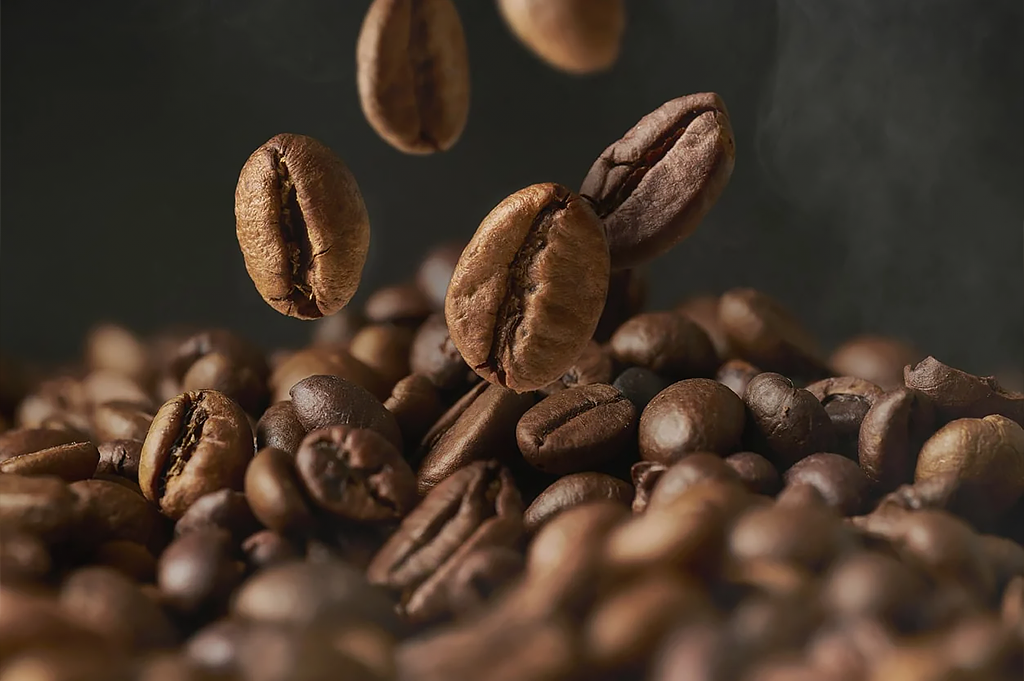
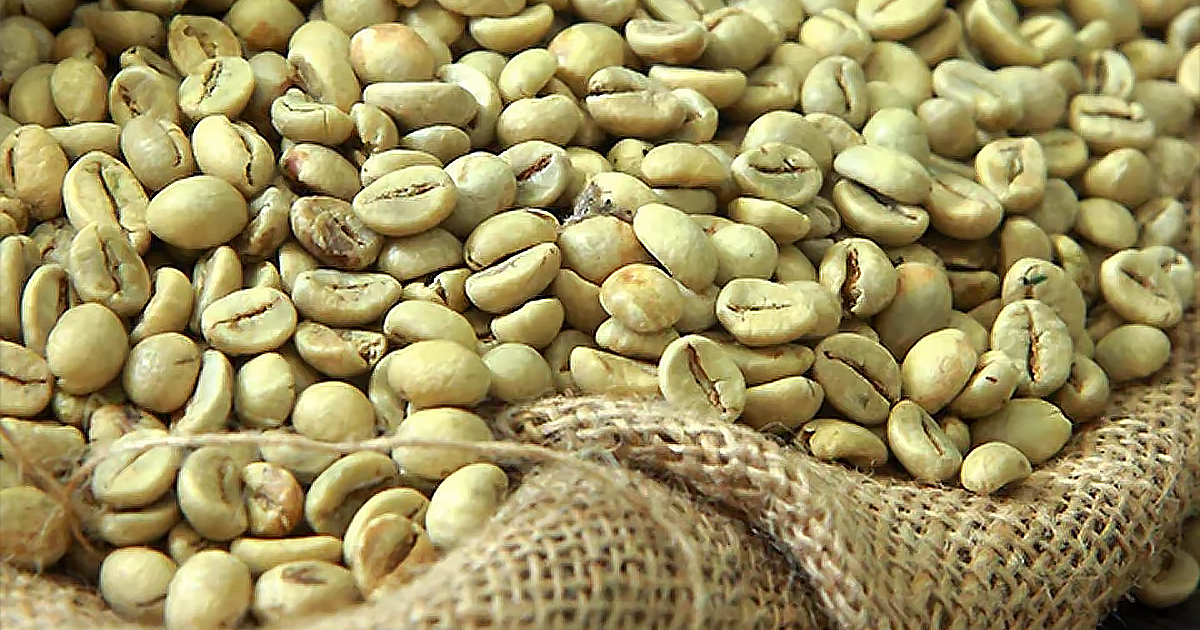
- What is the difference between green coffee and roasted coffee? Green coffee is unroasted coffee purchased by importers, manufacturers and roasters for further processing. Roasted coffee has already undergone roasting and is generally sold to consumers, cafés and retailers for grinding and preparation.
- How do I choose a reliable coffee supplier? Look for transparent origin information, clear specifications, appropriate business documentation, traceability information, quality assessment procedures and clear commercial terms. For international transactions, confirm the supplier’s ability to meet the applicable export and import requirements.
- Can I purchase coffee beans in bulk? Yes. Commercial buyers can enquire about bulk coffee through importers, exporters and wholesale suppliers. The quantity, grade, origin, packaging, price and shipment arrangements should be confirmed for each transaction.
- Does Robica Coffee Limited sell African coffee to wholesale buyers? Robica Coffee Limited connects international buyers with prominent and registered coffee growers across Africa. Wholesale buyers can communicate their preferred origin, variety, quantity and specifications to explore potential sourcing opportunities.
- Can I request a coffee sample before placing a large order? Sample availability should be confirmed with the supplier. Samples can help buyers evaluate physical quality and cup characteristics before making larger purchasing decisions. International sample shipments must also comply with applicable import requirements.
- Which African coffee origins should American buyers consider? American buyers can explore Uganda, Ethiopia, Kenya, Rwanda, Burundi and Tanzania. Each origin has different production characteristics, and the best selection depends on the buyer’s intended application, quality expectations and budget.
Find Premium African Coffee Sourcing Opportunities with Robica Coffee Limited
The United States offers numerous ways to purchase premium coffee beans, from local specialty roasteries and online retailers to international exporters and wholesale green coffee suppliers.
For consumers, choosing a good coffee often starts with freshness, origin transparency, appropriate roasting and a product suited to the preferred brewing method.
For commercial buyers, the process involves more detailed evaluation of coffee specifications, supplier verification, traceability, pricing, import requirements and logistics.
African coffee provides an opportunity to explore a wide range of origins and product possibilities. From Ugandan Robusta to specialty Arabica from several African producing countries, the continent offers options for different segments of the American coffee industry.
Robica Coffee Limited is a Ugandan coffee exporter connecting international buyers with prominent and registered coffee growers across Africa.
Whether you are a coffee importer, specialty roaster, wholesale distributor, café operator or business developing a premium coffee brand, you can contact Robica Coffee Limited to discuss your African coffee sourcing requirements.
Explore African coffee with Robica Coffee Limited and discover sourcing opportunities for the United States market.
Leave a Reply